



AccuTools Tools
AccuTools tools support the diagnostic and service side of HVAC and refrigeration work, from combustion analysis on gas and oil equipment to refrigerant recovery and leak detection on cooling systems. The lineup includes vacuum gauges and evacuation kits used to prep a system before charging.
Technicians who service both heating and cooling equipment often standardize on one instrument brand to keep readings consistent across jobs. Having accurate combustion and refrigerant diagnostics on hand also supports code compliance checks that many jurisdictions require during equipment startup or replacement.


Subcategories
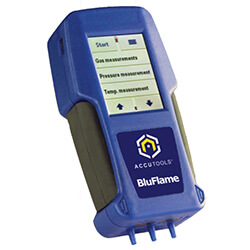
- Combustion Analysis: Combustion analyzers measure flue gas from a gas or oil-fired appliance to check for proper draft, efficient burn, and carbon monoxide levels. Techs use the readings to tune a furnace or boiler and to confirm it's operating safely before leaving a job.
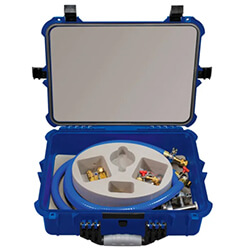
- Evacuation Kits: Evacuation kits combine a vacuum pump connection, hoses, and fittings built to pull a refrigeration or air conditioning system down to a deep vacuum before charging. Removing trapped air and moisture from the system ahead of charging protects the compressor and keeps refrigerant performance where it should be.
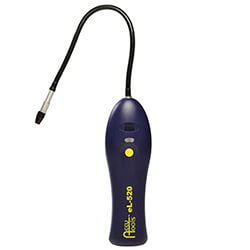
- Leak Detectors: Leak detectors locate refrigerant escaping from a fitting, coil, or valve using electronic sensing, ultraviolet dye, or a combination of both. Finding a small leak early prevents a bigger loss of charge and a repeat callback.
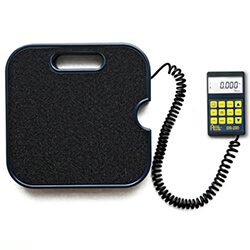
- Refrigerant Management: Refrigerant management tools track recovery, weigh-in, and charge amounts during service, giving a tech a documented record of how much refrigerant went into or came out of a system. Accurate tracking matters for both system performance and complying with refrigerant handling recordkeeping.
- Vacuum Gauges: Vacuum gauges give a digital or analog readout of how deep a system has been evacuated, measured in microns rather than the coarser reading a standard gauge manifold provides. Confirming a true vacuum before charging catches moisture or air that a compound gauge alone would miss.
Buying Guide
Picking the right AccuTools instrument starts with the type of service call: routine charging and evacuation calls for a vacuum gauge and evacuation kit, while a suspected leak calls for a dedicated leak detector.
For vacuum gauges, look at the micron range and readout type, since a job that requires verifying a deep vacuum needs a gauge sensitive enough to read in that range rather than a standard compound gauge.
For leak detection, match the detector type to the job: electronic sniffers work well for pinpointing a specific fitting or joint, while ultraviolet dye suits systems that get inspected repeatedly over time.
For combustion analysis, confirm the analyzer supports the fuel type and appliance being tested, since gas and oil-fired equipment produce different flue gas readings and require different calibration.
Refrigerant management tools should match the recovery and charging workflow already in place on the truck, since a scale or tracking tool that doesn't fit an existing routine ends up sitting unused.
Frequently Asked Questions
What's the difference between a vacuum gauge and a standard gauge manifold?
A standard gauge manifold reads pressure and isn't precise enough to confirm a deep vacuum, while a dedicated vacuum gauge reads in microns and can confirm a system has reached true vacuum before charging.
How do electronic leak detectors compare to ultraviolet dye?
Electronic leak detectors sense refrigerant in the air near a suspected leak point and work well for a one-time check, while ultraviolet dye stays in the system and shows up under UV light on repeat inspections.
Why does a system need to be evacuated before charging?
Evacuating a system removes trapped air and moisture that would otherwise mix with the refrigerant, reduce efficiency, and contribute to compressor wear over time.
What does a combustion analyzer check on a furnace?
A combustion analyzer checks flue gas for oxygen, carbon monoxide, and other readings that indicate whether the appliance is burning fuel efficiently and safely.
Do refrigerant management tools work with any recovery machine?
Most refrigerant management tools are built to pair with standard recovery machines and scales, though checking compatibility with the specific equipment on hand is worth doing before relying on it for recordkeeping.
Resources
Subcategories
- Combustion Analysis: Combustion analyzers measure flue gas from a gas or oil-fired appliance to check for proper draft, efficient burn, and carbon monoxide levels. Techs use the readings to tune a furnace or boiler and to confirm it's operating safely before leaving a job.
- Evacuation Kits: Evacuation kits combine a vacuum pump connection, hoses, and fittings built to pull a refrigeration or air conditioning system down to a deep vacuum before charging. Removing trapped air and moisture from the system ahead of charging protects the compressor and keeps refrigerant performance where it should be.
- Leak Detectors: Leak detectors locate refrigerant escaping from a fitting, coil, or valve using electronic sensing, ultraviolet dye, or a combination of both. Finding a small leak early prevents a bigger loss of charge and a repeat callback.
- Refrigerant Management: Refrigerant management tools track recovery, weigh-in, and charge amounts during service, giving a tech a documented record of how much refrigerant went into or came out of a system. Accurate tracking matters for both system performance and complying with refrigerant handling recordkeeping.
- Vacuum Gauges: Vacuum gauges give a digital or analog readout of how deep a system has been evacuated, measured in microns rather than the coarser reading a standard gauge manifold provides. Confirming a true vacuum before charging catches moisture or air that a compound gauge alone would miss.
Buying Guide
Picking the right AccuTools instrument starts with the type of service call: routine charging and evacuation calls for a vacuum gauge and evacuation kit, while a suspected leak calls for a dedicated leak detector.
For vacuum gauges, look at the micron range and readout type, since a job that requires verifying a deep vacuum needs a gauge sensitive enough to read in that range rather than a standard compound gauge.
For leak detection, match the detector type to the job: electronic sniffers work well for pinpointing a specific fitting or joint, while ultraviolet dye suits systems that get inspected repeatedly over time.
For combustion analysis, confirm the analyzer supports the fuel type and appliance being tested, since gas and oil-fired equipment produce different flue gas readings and require different calibration.
Refrigerant management tools should match the recovery and charging workflow already in place on the truck, since a scale or tracking tool that doesn't fit an existing routine ends up sitting unused.
Frequently Asked Questions
What's the difference between a vacuum gauge and a standard gauge manifold?
A standard gauge manifold reads pressure and isn't precise enough to confirm a deep vacuum, while a dedicated vacuum gauge reads in microns and can confirm a system has reached true vacuum before charging.
How do electronic leak detectors compare to ultraviolet dye?
Electronic leak detectors sense refrigerant in the air near a suspected leak point and work well for a one-time check, while ultraviolet dye stays in the system and shows up under UV light on repeat inspections.
Why does a system need to be evacuated before charging?
Evacuating a system removes trapped air and moisture that would otherwise mix with the refrigerant, reduce efficiency, and contribute to compressor wear over time.
What does a combustion analyzer check on a furnace?
A combustion analyzer checks flue gas for oxygen, carbon monoxide, and other readings that indicate whether the appliance is burning fuel efficiently and safely.
Do refrigerant management tools work with any recovery machine?
Most refrigerant management tools are built to pair with standard recovery machines and scales, though checking compatibility with the specific equipment on hand is worth doing before relying on it for recordkeeping.