




Filters
SORT
Product Availability –
Body Pattern –
Connection Size –
Review Score –
 --%3E %3Csvg version='1.1' id='Fill' xmlns='http://www.w3.org/2000/svg' xmlns:xlink='http://www.w3.org/1999/xlink' x='0px' y='0px' viewBox='0 0 100 100' enable-background='new 0 0 100 100' xml:space='preserve'%3E %3Cpath fill='%23F15C02' d='M79.44,0.95H20.56C9.78,0.95,0.95,9.78,0.95,20.56v58.87c0,10.79,8.82,19.61,19.61,19.61h58.87 c10.79,0,19.61-8.83,19.61-19.61V20.56C99.05,9.78,90.22,0.95,79.44,0.95z M65.38,58.24l9.38,29.58L49.69,69.78L24.5,87.82 l9.34-29.6L8.8,39.6l30.73-0.17c0,0,6.98-19.61,10-28.93c0.54,1.36,9.88,29.1,9.88,29.1H91.2L65.38,58.24z'/%3E %3C/svg%3E)
Amtrol Air Vents




 --%3E %3Csvg version='1.1' id='No-RB' xmlns='http://www.w3.org/2000/svg' xmlns:xlink='http://www.w3.org/1999/xlink' x='0px' y='0px' viewBox='0 0 100 100' enable-background='new 0 0 100 100' xml:space='preserve'%3E %3Cpath fill='%23CECECE' d='M79.44,0.95H20.56C9.78,0.95,0.95,9.78,0.95,20.56v58.87c0,10.79,8.82,19.61,19.61,19.61h58.87 c10.79,0,19.61-8.83,19.61-19.61V20.56C99.05,9.78,90.22,0.95,79.44,0.95z M65.38,58.24l9.38,29.58L49.69,69.78L24.5,87.82 l9.34-29.6L8.8,39.6l30.73-0.17c0,0,6.98-19.61,10-28.93c0.54,1.36,9.88,29.1,9.88,29.1H91.2L65.38,58.24z'/%3E %3C/svg%3E)

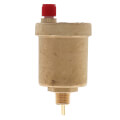
Amtrol air vents release trapped air from hydronic heating and cooling systems, keeping air pockets from blocking circulation through boilers, chillers, and the piping that feeds radiators, baseboard, or coils. Amtrol lists air elimination among its core product lines alongside its air separators, reflecting how closely these two jobs work together in a system, since a vent handles the air a separator has already pulled out of the water. Automatic vents use a float mechanism that rises and falls with the water level inside the vent body, opening a small valve to release air when it collects and closing again once water returns to the float. Technicians typically install these vents at high points in a piping system, since that's where air naturally collects and needs an escape point to keep circulation and heat transfer working as designed.
Subcategories
- Automatic Float-Type Air Vents: Float-type air vents use a float mechanism that drops as trapped air collects inside the vent body, opening a small valve seat to release that air to atmosphere. Once the air has escaped and water rises back around the float, the valve closes again to seal the system. These vents work continuously without manual operation, which makes them the standard choice for high points in a piping system that collect air repeatedly during normal operation. Sizing the vent's connection to match the pipe tap it threads into keeps installation straightforward.
- Manual Air Vents: Manual air vents rely on someone opening a small screw or valve by hand to bleed air out of a radiator, baseboard section, or other terminal unit rather than venting automatically. They're common on individual radiators and smaller zones where installing an automatic vent at every point isn't practical. A technician or building occupant typically operates these during seasonal startup or whenever a zone feels cooler than the rest of the system. Because they depend on someone remembering to use them, manual vents don't substitute for an automatic vent at a system's actual high point.
- Vent Replacement Parts & Accessories: Replacement parts for air vents include float mechanisms, valve seats, and caps that wear out or foul with mineral deposits over years of service. A vent that's stopped venting air, or one that's started weeping water, usually points to a worn seat or a float that's lost buoyancy rather than a failure of the whole vent body. Replacing these components individually is often enough to restore proper function without swapping the entire vent. Keeping a vent's original part or model information on hand speeds up finding the correct replacement float or seat.
Buying Guide
Start with where the vent will be installed. A high point in the piping system, such as the top of a riser or the highest point in a horizontal run, is where air naturally collects and needs an automatic vent to escape. Points elsewhere in the system, including individual radiators or baseboard sections, are better served by a manual vent that's opened only when needed.
Connection size and thread type need to match the tap the vent will thread into, since a mismatch here is one of the more common installation delays on a job. Amtrol air vents and similar products typically list their connection size clearly, so confirming that measurement against the existing pipe tap before ordering avoids a return trip for the correct fitting.
System pressure and temperature also factor into vent selection. A vent built for typical residential hydronic heating pressures may not hold up in a higher-pressure commercial system, so checking the vent's rated working pressure against the system's operating pressure protects against a vent that fails prematurely or leaks under normal conditions.
Finally, plan for maintenance access. A vent installed in a location that's easy to reach makes it simpler to service or replace worn internal components later, which matters since float mechanisms and valve seats are wear items that eventually need attention on any hydronic system running for several heating seasons.
Frequently Asked Questions
Where should an automatic air vent be installed in a hydronic system?
Automatic air vents belong at the system's high points, such as the top of a riser or the highest point along a horizontal run, since that's where air naturally rises and collects. Installing a vent somewhere other than a true high point limits how effectively it can do its job.
What's the difference between an automatic air vent and a manual air vent?
Automatic vents use a float mechanism to release trapped air continuously without anyone operating them, while manual vents require someone to open a small screw or valve by hand to bleed air out. Manual vents are common on individual radiators, while automatic vents typically handle a system's main high points.
Why is an air vent leaking water?
A weeping or leaking air vent usually points to a worn valve seat or a float that's lost buoyancy from mineral buildup rather than a failure of the entire vent body. Replacing the worn internal component often resolves the leak without needing a full vent replacement.
How does an air separator relate to an air vent in the same system?
An air separator pulls dissolved and entrained air out of the system water as it circulates, while the air vent provides the actual exit point for that air to leave the system. The two work together, with the separator gathering air and the vent releasing it.
What pressure rating should an air vent have for a commercial hydronic system?
Commercial systems often run at higher pressures than typical residential heating systems, so a vent's rated working pressure needs to be checked against the system's actual operating pressure before ordering. Installing a vent rated below the system's operating pressure risks premature failure or leakage.
