




Filters
SORT
Product Availability –
Review Score –
 --%3E %3Csvg version='1.1' id='Fill' xmlns='http://www.w3.org/2000/svg' xmlns:xlink='http://www.w3.org/1999/xlink' x='0px' y='0px' viewBox='0 0 100 100' enable-background='new 0 0 100 100' xml:space='preserve'%3E %3Cpath fill='%23F15C02' d='M79.44,0.95H20.56C9.78,0.95,0.95,9.78,0.95,20.56v58.87c0,10.79,8.82,19.61,19.61,19.61h58.87 c10.79,0,19.61-8.83,19.61-19.61V20.56C99.05,9.78,90.22,0.95,79.44,0.95z M65.38,58.24l9.38,29.58L49.69,69.78L24.5,87.82 l9.34-29.6L8.8,39.6l30.73-0.17c0,0,6.98-19.61,10-28.93c0.54,1.36,9.88,29.1,9.88,29.1H91.2L65.38,58.24z'/%3E %3C/svg%3E)
Price Range –
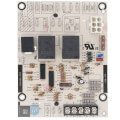
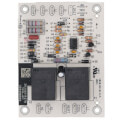
Armstrong Air Circuit Boards


 --%3E %3Csvg version='1.1' id='No-RB' xmlns='http://www.w3.org/2000/svg' xmlns:xlink='http://www.w3.org/1999/xlink' x='0px' y='0px' viewBox='0 0 100 100' enable-background='new 0 0 100 100' xml:space='preserve'%3E %3Cpath fill='%23CECECE' d='M79.44,0.95H20.56C9.78,0.95,0.95,9.78,0.95,20.56v58.87c0,10.79,8.82,19.61,19.61,19.61h58.87 c10.79,0,19.61-8.83,19.61-19.61V20.56C99.05,9.78,90.22,0.95,79.44,0.95z M65.38,58.24l9.38,29.58L49.69,69.78L24.5,87.82 l9.34-29.6L8.8,39.6l30.73-0.17c0,0,6.98-19.61,10-28.93c0.54,1.36,9.88,29.1,9.88,29.1H91.2L65.38,58.24z'/%3E %3C/svg%3E)


Armstrong Air circuit boards are the control components that manage ignition sequencing, blower operation, and safety monitoring inside Armstrong Air furnaces and air handlers.
A board reads input from limit switches, pressure switches, and flame sensors, then times the ignition sequence and blower speed according to the specific furnace model's programmed logic.
Diagnostic LEDs on most boards flash a specific code pattern when a fault occurs, giving a technician a starting point for troubleshooting before pulling out a meter.
Contractors replace circuit boards more often than most other furnace components, since the board absorbs electrical surges and control signal issues that mechanical parts rarely see.
Matching the exact board model to a furnace's specific series matters because control logic and connector layouts differ across Armstrong Air's furnace lineup, even within similar cabinet sizes.
Subcategories
- Integrated Furnace Control Boards: Integrated furnace control boards manage the full ignition sequence, from pulling in the inducer motor to firing the igniter and monitoring flame sensing, all from a single board. Technicians treat this as the central diagnostic point on most furnace no-heat calls, checking the LED fault code first. Replacement boards need to match the exact model number for the connector layout and control logic to line up. It ranks as the most commonly replaced electrical component on a furnace.
- Blower Control Boards: Blower control boards manage fan speed and timing separately from the main ignition control on furnaces with variable-speed or multi-speed blower motors. Technicians check this board when airflow issues persist despite normal ignition operation, since a faulty blower board can cause short cycling or inadequate airflow. Some models integrate directly with the main control board rather than functioning as a standalone part. Correct board selection depends on the specific blower motor type installed.
- Relay and Interface Boards: Relay and interface boards handle secondary functions like humidifier control, zoning interfaces, or accessory relays that the main control board doesn't manage directly. Contractors add these boards when retrofitting accessories onto an existing furnace that wasn't originally wired for them. Wiring connections typically plug directly into the existing harness without splicing. Adding one expands a furnace's capability without replacing the primary control.
- Replacement Fuses and Connectors: Replacement fuses and connectors keep a functioning circuit board protected and properly wired, covering everything from the small onboard fuse that blows during a transformer short to the wiring harness connectors that wear out after repeated service calls. Technicians check the onboard fuse first on a no-power board before assuming the entire board has failed. Keeping a few common fuse ratings on the truck saves a diagnosis from turning into an unnecessary board replacement. Worn connectors are a common cause of intermittent faults.
Buying Guide
Matching an Armstrong Air circuit board to the correct furnace model starts with the model and serial number plate on the unit itself, since board part numbers rarely cross over between different furnace series even when cabinets look similar.
Reading the diagnostic LED fault code on the failed board, when it's still functional enough to display one, narrows down whether the issue is truly the board or a connected component like a pressure switch or flame sensor feeding it bad signal.
Checking the onboard fuse before ordering a full replacement board is worth the extra minute, since a blown fuse from a transformer short can mimic a dead board at a fraction of the replacement cost.
Variable-speed furnaces often separate blower control from the main ignition board, so confirming which board actually failed avoids ordering the wrong part for a airflow-related complaint.
Contractors who service a lot of Armstrong Air equipment benefit from keeping a small stock of Armstrong Air circuit boards for the most common furnace series in their territory, since a no-heat call in cold weather leaves little room for a special-order wait.
Verifying that a replacement board's firmware or revision level matches what the furnace needs is worth a quick check too, since some updated boards require an additional harness adapter to fit an older furnace cabinet.
Frequently Asked Questions
What do the flashing LED codes on a circuit board mean?
Diagnostic LEDs flash a specific pattern corresponding to a fault code listed in the furnace's installation manual, covering issues from pressure switch faults to flame sensing problems. Counting the flash pattern gives a technician a starting point before pulling out a meter. Manufacturer documentation lists the exact code meanings for each furnace series.
How do I know if the board or a connected sensor has failed?
The diagnostic LED code often points toward a specific input, like a pressure switch or flame sensor, rather than the board itself. Testing that specific component before replacing the board can save an unnecessary part swap. A board that shows no LED activity at all more often points to a power or fuse issue.
Can I use a universal replacement board instead of the exact model?
Some aftermarket universal boards can work with certain furnace models, but matching the exact original part number is the more reliable option for connector layout and control logic compatibility. Universal boards sometimes require rewiring or additional adapters. Checking compatibility carefully avoids a mismatch that causes erratic operation.
Why does my furnace circuit board keep failing?
Repeated board failures often point to a power quality issue, like voltage spikes or a failing transformer, rather than a defective board itself. Checking incoming voltage and the transformer's output before replacing the board again can catch the root cause. A surge protector on the circuit is worth considering if failures continue.
What should I check before assuming the whole board is dead?
The onboard fuse is the first thing to check, since a blown fuse from a transformer short can look identical to a dead board but costs far less to fix. Wiring harness connections are the second thing worth checking for corrosion or looseness. Confirming both before ordering a full board replacement avoids an unnecessary expense.
