




Filters
SORT
Product Availability –
Product Type –
Used With –
Review Score –
 --%3E %3Csvg version='1.1' id='Fill' xmlns='http://www.w3.org/2000/svg' xmlns:xlink='http://www.w3.org/1999/xlink' x='0px' y='0px' viewBox='0 0 100 100' enable-background='new 0 0 100 100' xml:space='preserve'%3E %3Cpath fill='%23F15C02' d='M79.44,0.95H20.56C9.78,0.95,0.95,9.78,0.95,20.56v58.87c0,10.79,8.82,19.61,19.61,19.61h58.87 c10.79,0,19.61-8.83,19.61-19.61V20.56C99.05,9.78,90.22,0.95,79.44,0.95z M65.38,58.24l9.38,29.58L49.69,69.78L24.5,87.82 l9.34-29.6L8.8,39.6l30.73-0.17c0,0,6.98-19.61,10-28.93c0.54,1.36,9.88,29.1,9.88,29.1H91.2L65.38,58.24z'/%3E %3C/svg%3E)
 --%3E %3Csvg version='1.1' id='With-RB' xmlns='http://www.w3.org/2000/svg' xmlns:xlink='http://www.w3.org/1999/xlink' x='0px' y='0px' viewBox='0 0 100 100' enable-background='new 0 0 100 100' xml:space='preserve'%3E %3Cpath fill='%23FBC8B4' d='M79.44,0.95H20.56C9.78,0.95,0.95,9.78,0.95,20.56v58.87c0,10.79,8.82,19.61,19.61,19.61h58.87 c10.79,0,19.61-8.83,19.61-19.61V20.56C99.05,9.78,90.22,0.95,79.44,0.95z M65.38,58.24l9.38,29.58L49.69,69.78L24.5,87.82 l9.34-29.6L8.8,39.6l30.73-0.17c0,0,6.98-19.61,10-28.93c0.54,1.36,9.88,29.1,9.88,29.1H91.2L65.38,58.24z'/%3E %3C/svg%3E)
Price Range –
Blower Parts



 --%3E %3Csvg version='1.1' id='Half' xmlns='http://www.w3.org/2000/svg' xmlns:xlink='http://www.w3.org/1999/xlink' x='0px' y='0px' viewBox='0 0 100 100' enable-background='new 0 0 100 100' xml:space='preserve'%3E %3Cg%3E %3Cpath fill='%23F15C02' d='M30.05,70.23l3.79-12.01L8.8,39.6l30.73-0.17c0,0,6.98-19.61,10-28.93c0.54,1.36,9.88,29.1,9.88,29.1h1.58 L93.71,7.18c-3.58-3.82-8.66-6.23-14.28-6.23H20.56C9.78,0.95,0.95,9.78,0.95,20.56v58.87c0,5.41,2.22,10.32,5.79,13.88 L30.05,70.23z'/%3E %3C/g%3E %3Cpath fill='%23FBC8B4' d='M93.71,7.18L60.98,39.6H91.2L65.38,58.24l9.38,29.58L49.69,69.78L24.5,87.82l5.55-17.59L6.75,93.32 c3.55,3.54,8.44,5.73,13.82,5.73h58.87c10.79,0,19.61-8.83,19.61-19.61V20.56C99.05,15.4,97.01,10.69,93.71,7.18z'/%3E %3C/svg%3E)
 --%3E %3Csvg version='1.1' id='No-RB' xmlns='http://www.w3.org/2000/svg' xmlns:xlink='http://www.w3.org/1999/xlink' x='0px' y='0px' viewBox='0 0 100 100' enable-background='new 0 0 100 100' xml:space='preserve'%3E %3Cpath fill='%23CECECE' d='M79.44,0.95H20.56C9.78,0.95,0.95,9.78,0.95,20.56v58.87c0,10.79,8.82,19.61,19.61,19.61h58.87 c10.79,0,19.61-8.83,19.61-19.61V20.56C99.05,9.78,90.22,0.95,79.44,0.95z M65.38,58.24l9.38,29.58L49.69,69.78L24.5,87.82 l9.34-29.6L8.8,39.6l30.73-0.17c0,0,6.98-19.61,10-28.93c0.54,1.36,9.88,29.1,9.88,29.1H91.2L65.38,58.24z'/%3E %3C/svg%3E)
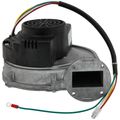
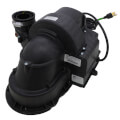
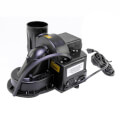
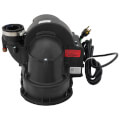
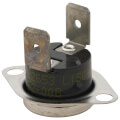
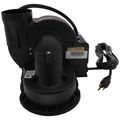
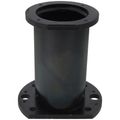
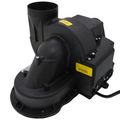

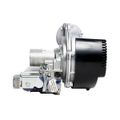

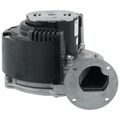
Blower parts cover the components that keep a furnace or air handler's indoor blower assembly moving air through the ductwork, including blower wheels, motors, motor mounts, and the housings that contain them. The blower assembly is the workhorse of a forced-air system, running far more hours over a season than the burner or compressor, which makes wear items like bearings and wheel balance weights common failure points long before the rest of the equipment shows its age. A blower running out of balance or on a worn bearing typically shows up as vibration, rattling, or a grinding noise that gets worse over time rather than appearing suddenly. Matching replacement parts to the blower's exact housing and motor mount configuration matters, since blower wheel diameter, width, and bore size vary across equipment models even when the outward cabinet looks similar.
Subcategories
- Blower Wheels: Blower wheels are the squirrel-cage components that actually move air through the housing when spun by the motor, and they're sized by diameter, width, and bore to match a specific blower assembly. A wheel that's out of balance, whether from age, a bent blade, or built-up dust and debris, causes vibration that can loosen other components over time. Replacement wheels need to match rotation direction as well as size, since a wheel spinning the wrong way for its housing moves noticeably less air. Cleaning a wheel during routine maintenance often prevents the buildup that leads to imbalance in the first place.
- Blower Motors: Blower motors range from simple single-speed permanent split capacitor motors to variable-speed electronically commutated motors used on higher-efficiency equipment, and the two types are not interchangeable without also replacing the control board. Horsepower, voltage, and speed settings all need to match the original motor's rating, along with shaft diameter and mounting bolt pattern. A variable-speed motor failure often gets misdiagnosed as a control board issue since both share diagnostic codes, so isolating the actual failed component before ordering saves a wasted trip. Motor replacement is one of the more frequent repairs on any forced-air system given how many hours the blower runs annually.
- Blower Housings and Mounts: Blower housings and mounts hold the wheel and motor assembly in alignment inside the furnace or air handler cabinet, and a cracked or corroded housing can let air bypass the intended path, reducing system efficiency. Rubber motor mounts wear out from years of vibration and heat cycling, and a failed mount often shows up as new noise or vibration that wasn't present when the blower was newer. Housings are typically specific to a given cabinet size and blower wheel diameter, so replacement usually means matching the original equipment manufacturer's part rather than a universal fit. Mount kits are a low-cost item worth replacing proactively during a motor swap since access to them is already open.
Buying Guide
Diagnosing which blower part actually failed before ordering saves both time and cost. A grinding or rattling noise often points to the wheel or bearing rather than the motor itself, while a blower that hums but won't spin, or spins slowly, more often points to a motor or capacitor issue. Pulling the model and serial number off the furnace or air handler cabinet, not just the blower motor's own nameplate, helps confirm the correct wheel and housing dimensions since these parts are matched to the cabinet rather than sold as standalone universal sizes.
Motor type matters just as much as physical fit. A single-speed motor can usually be replaced with an equivalent single-speed unit matched on horsepower and voltage, but a variable-speed or electronically commutated motor typically needs to be paired with a control board compatible with that specific motor family. Installing a mismatched motor and control combination can cause erratic blower operation or a fault code even when both parts are individually functional.
Blower parts should always be selected with rotation direction and mounting orientation in mind alongside size and horsepower. A wheel or motor that's otherwise correctly specified but installed with the wrong rotation moves noticeably less air and can trip a limit switch from restricted airflow. Confirming these details against the original parts before removal, rather than relying on a general size chart, is the most reliable way to avoid a return trip for a mismatched part.
Frequently Asked Questions
How do I tell if a noisy blower is the wheel or the motor?
A grinding, clicking, or rattling noise that changes with blower speed usually points to the wheel, a bent blade, or a worn bearing inside the housing. A humming or buzzing sound with little or no air movement more often points to the motor or its capacitor. Removing the blower assembly and spinning the wheel by hand while listening for resistance or noise helps isolate which component is actually failing.
Can a single-speed blower motor be swapped for a variable-speed model?
Not directly, since a variable-speed motor requires a compatible control board to communicate speed commands, and a single-speed motor runs on a straightforward on-off circuit. Swapping motor types generally means replacing the control board as well, which turns a simple motor swap into a larger repair. Matching the replacement motor to the existing control setup is usually the more practical choice for a straightforward repair.
What causes a blower wheel to go out of balance?
Built-up dust and debris on the wheel's blades is one of the most common causes, since uneven buildup shifts the wheel's balance point gradually over time. A bent blade from an object getting into the housing, or simple age-related fatigue in the wheel material, can also cause imbalance. Regular cleaning during seasonal maintenance catches most buildup-related imbalance before it causes vibration damage elsewhere in the assembly.
Do blower motor mounts need to be replaced during every motor swap?
Not always, but checking their condition while the assembly is already open is good practice, since a worn rubber mount can introduce new vibration and noise even with a brand-new motor installed. Mounts are a low-cost part relative to the labor already required to access them. Replacing a visibly cracked or compressed mount at the same time as the motor avoids a preventable callback.
How do I match a replacement blower wheel to the existing housing?
Measure the current wheel's diameter, width, and bore size, and note its rotation direction before removal, since these dimensions determine airflow performance more than the overall cabinet size does. Cross-referencing the furnace or air handler's model number against the manufacturer's parts breakdown is the most reliable way to confirm an exact match. A wheel that's close in size but mismatched on bore or rotation will not perform the same as the original.
