




Bluefin Faucet Parts

 --%3E %3Csvg version='1.1' id='No-RB' xmlns='http://www.w3.org/2000/svg' xmlns:xlink='http://www.w3.org/1999/xlink' x='0px' y='0px' viewBox='0 0 100 100' enable-background='new 0 0 100 100' xml:space='preserve'%3E %3Cpath fill='%23CECECE' d='M79.44,0.95H20.56C9.78,0.95,0.95,9.78,0.95,20.56v58.87c0,10.79,8.82,19.61,19.61,19.61h58.87 c10.79,0,19.61-8.83,19.61-19.61V20.56C99.05,9.78,90.22,0.95,79.44,0.95z M65.38,58.24l9.38,29.58L49.69,69.78L24.5,87.82 l9.34-29.6L8.8,39.6l30.73-0.17c0,0,6.98-19.61,10-28.93c0.54,1.36,9.88,29.1,9.88,29.1H91.2L65.38,58.24z'/%3E %3C/svg%3E)

 --%3E %3Csvg version='1.1' id='Fill' xmlns='http://www.w3.org/2000/svg' xmlns:xlink='http://www.w3.org/1999/xlink' x='0px' y='0px' viewBox='0 0 100 100' enable-background='new 0 0 100 100' xml:space='preserve'%3E %3Cpath fill='%23F15C02' d='M79.44,0.95H20.56C9.78,0.95,0.95,9.78,0.95,20.56v58.87c0,10.79,8.82,19.61,19.61,19.61h58.87 c10.79,0,19.61-8.83,19.61-19.61V20.56C99.05,9.78,90.22,0.95,79.44,0.95z M65.38,58.24l9.38,29.58L49.69,69.78L24.5,87.82 l9.34-29.6L8.8,39.6l30.73-0.17c0,0,6.98-19.61,10-28.93c0.54,1.36,9.88,29.1,9.88,29.1H91.2L65.38,58.24z'/%3E %3C/svg%3E)

Bluefin Faucet Parts are replacement components built to service and repair faucets sold under SupplyHouse's Bluefin brand, covering everything from cartridges and stems to aerators, handles, and seals. Plumbers and facility maintenance crews turn to these parts when a faucet drips, handles loosen, or flow slows due to worn internals, since replacing a single component often costs less labor and material than swapping the entire fixture. The lineup spans compression and ceramic disc cartridges, packing nuts, escutcheons, and hardware kits sized to match specific Bluefin faucet models, so a technician can source an exact fit rather than adapting a universal part. Reading the model or part number stamped on the original fixture before ordering helps narrow down the correct replacement quickly. For contractors managing multiple properties or rental units, keeping a small stock of common wear items like cartridges and aerators on the truck cuts down on repeat visits and shortens repair time on routine faucet service calls.
Subcategories
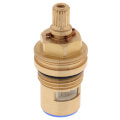
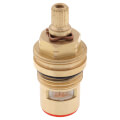
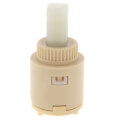
- Cartridges and Stems: Cartridges and stems sit inside the faucet body and control how hot and cold water mix before reaching the spout. A worn or scored cartridge is the most common reason a Bluefin faucet drips or feels stiff to turn. Replacement cartridges come in compression and ceramic disc styles, matched to the specific faucet series they service. Swapping a stem or cartridge typically resolves a leak without disturbing the supply lines underneath the fixture.
- Aerators and Flow Components: Aerators screw onto the tip of the spout and mix air into the water stream to reduce splashing and control flow rate. Mineral buildup inside an aerator screen is a frequent cause of reduced pressure at the faucet, and the fix is usually a quick unscrew-and-clean or a full replacement. Bluefin aerators are sized to standard spout threading so a technician can match thread count and flow rating to the original part. Flow washers and diverters in this category route water between the spout and a side sprayer on kitchen models.
- Handles and Escutcheons: Handles connect to the cartridge or stem and give the user leverage to control water flow and temperature. Escutcheons are the trim plates that cover the mounting hole in a sink deck or wall, hiding the plumbing connection beneath a finished surface. Cracked handles, stripped set screws, and mismatched finishes are the usual reasons contractors replace these parts. Matching the handle style and finish to the rest of the fixture keeps the repair looking original rather than patched.
- O-Rings and Seals: O-rings and seals sit at the joints between the spout, cartridge housing, and supply connections, keeping water inside the fixture instead of leaking past a fitting. Rubber compounds break down over years of exposure to hot water and mineral content, which is why a slow drip at the base of the spout often traces back to a hardened or cracked O-ring. Replacement kits typically bundle several sizes together so a technician can match the seal without measuring each one individually. Because these parts are inexpensive relative to a service call, many plumbers replace the full set during any faucet repair rather than testing each seal on its own.
- Hardware and Mounting Kits: Mounting kits include the nuts, washers, and brackets that secure a faucet to a sink deck or wall from underneath. Deck plates and mounting hardware wear from repeated tightening and loosening during service visits, and stripped threads are a common reason a faucet loosens over time even after the cartridge and seals have been replaced. These kits are sized to match specific Bluefin faucet bases, covering both single-hole and widespread mounting configurations. Keeping the correct mounting hardware on hand avoids a second trip when a fixture needs to be reset rather than repaired.
Buying Guide
Start a Bluefin faucet parts order by identifying the exact fixture in need of repair, since even faucets that look alike can use different cartridge styles, thread patterns, or mounting hardware. The model information is usually printed on the underside of the faucet body or on the original packaging or invoice, and matching that number to the correct part prevents an ordering mistake that delays the repair. If the model number isn't available, matching the visible symptoms, such as a drip at the spout versus a leak at the base, helps narrow down whether the fix calls for a cartridge, an O-ring, or a full mounting kit. For a dripping or hard-to-turn handle, replacing the cartridge or stem first resolves most cases without touching the supply lines. For loose or wobbly fixtures, checking the mounting hardware before assuming the cartridge is at fault saves an unnecessary parts order. Bluefin Faucet Parts are organized by fixture type and part category, which makes it straightforward to cross-reference the failing component with its replacement. Stocking common wear parts, cartridges, aerators, and O-ring kits, ahead of a service call cuts down on return trips for routine repairs. For older installations where an exact part number isn't listed, comparing physical dimensions such as thread size and stem length against the listed specifications helps confirm fit before ordering.
Frequently Asked Questions
How do I know which Bluefin cartridge fits my faucet?
Check the model number stamped on the faucet body or printed on the original box or invoice, then match it against the cartridge listings for that model. If the number isn't visible, measuring the cartridge's height, diameter, and stem type against the replacement options usually narrows it down. Contacting SupplyHouse customer service with a photo of the old part is a reliable way to confirm the fit before ordering.
What's the most common reason a Bluefin faucet drips?
A worn or scored cartridge is the most frequent cause of a dripping faucet, especially in fixtures that see daily use. Mineral deposits from hard water can also wear down the seal inside the cartridge faster than normal use alone. Replacing the cartridge usually resolves the drip without needing to disturb the supply lines.
Can a technician replace just the aerator instead of the whole faucet?
Yes, aerators are a low-cost, quick fix for reduced flow or splashing at the spout. Unscrewing the aerator and cleaning out mineral buildup solves many flow issues, but a fully corroded or cracked aerator should be swapped for a new one. Matching the thread size to the original part keeps the replacement compatible.
Do Bluefin faucet parts fit other faucet brands?
Bluefin parts are engineered to match Bluefin faucet models specifically, so cross-brand compatibility isn't assured. Some hardware, like mounting nuts or supply line washers, can be generic across brands, but cartridges and stems typically aren't interchangeable. Confirming the faucet's brand and model before ordering avoids a mismatched part.
How often should faucet cartridges be replaced?
There's no fixed replacement schedule, since wear depends on water quality and how often the faucet is used. A cartridge showing a drip, stiffness, or temperature fluctuation is usually due for a swap regardless of age. In commercial settings with heavy daily use, some crews replace cartridges proactively every few years to reduce emergency callbacks.
