




Sink & Faucet Parts
Faucet and sink parts cover the replacement components needed to repair or maintain faucets, sinks, and related fixtures instead of replacing an entire unit. The category includes items such as washers, cartridges, aerators, and manufacturer-specific parts that keep an existing faucet or sink functioning after normal wear.
Finding the correct part usually starts with identifying the fixture's manufacturer, since faucet internals such as cartridges and stems are rarely interchangeable across brands. Plumbers and service technicians commonly keep manufacturer-specific parts on hand for the brands most common in their service area to avoid a return trip for the right component.

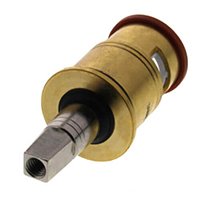


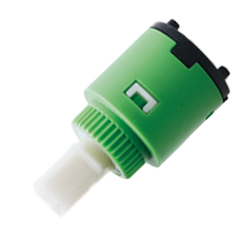
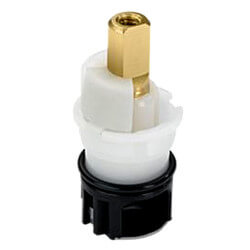


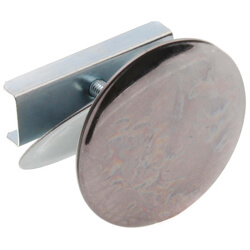





Subcategories
- Acorn Parts: Acorn Parts cover replacement components for Acorn brand faucets and fixtures, commonly found in commercial and institutional restrooms. Parts in this line include cartridges, handles, and other pieces specific to Acorn's fixture designs. Matching the exact model number on the existing fixture helps confirm compatibility before ordering.
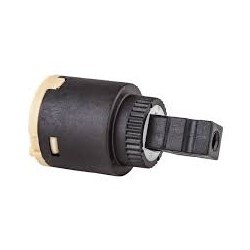
- American Standard Faucet and Sink Parts: American Standard Faucet and Sink Parts replace worn or damaged components on American Standard faucets and sinks. Included parts are cartridges, aerators, and handles. These parts are built to fit specific American Standard fixture models. Checking the fixture's model number against the part's listed compatibility avoids ordering the wrong component.
- Bibb Washers: Bibb washers are the small rubber or synthetic seals used inside compression-style faucets and hose bibbs to stop water flow when the valve is closed. They wear out from repeated use and are one of the most common causes of a dripping faucet or leaking outdoor spigot. Replacing a worn bibb washer is typically a quick repair compared to replacing the entire faucet or bibb assembly.
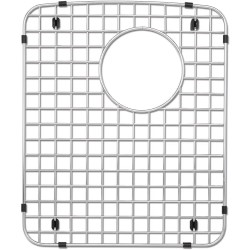
- Blanco Faucet and Sink Parts: Blanco Faucet and Sink Parts replace components on Blanco kitchen and bar faucets and sinks. Included parts are cartridges, spray heads, and mounting hardware. Blanco fixtures often use parts specific to their model line, so matching the exact part number listed for the fixture helps avoid a mismatch. These parts support ongoing repair of existing Blanco fixtures rather than a full replacement.
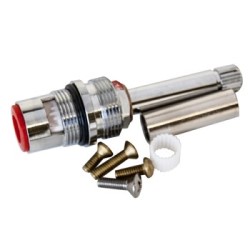
- Brasscraft Faucet Parts: Brasscraft Faucet Parts cover universal and brand-specific components used to repair a wide range of faucet types, including stems, cartridges, and seats. Brasscraft is a common source for parts that fit multiple faucet brands, which can simplify stocking for service technicians handling varied fixture types. Confirming fit against the faucet's existing components is still recommended before installation.
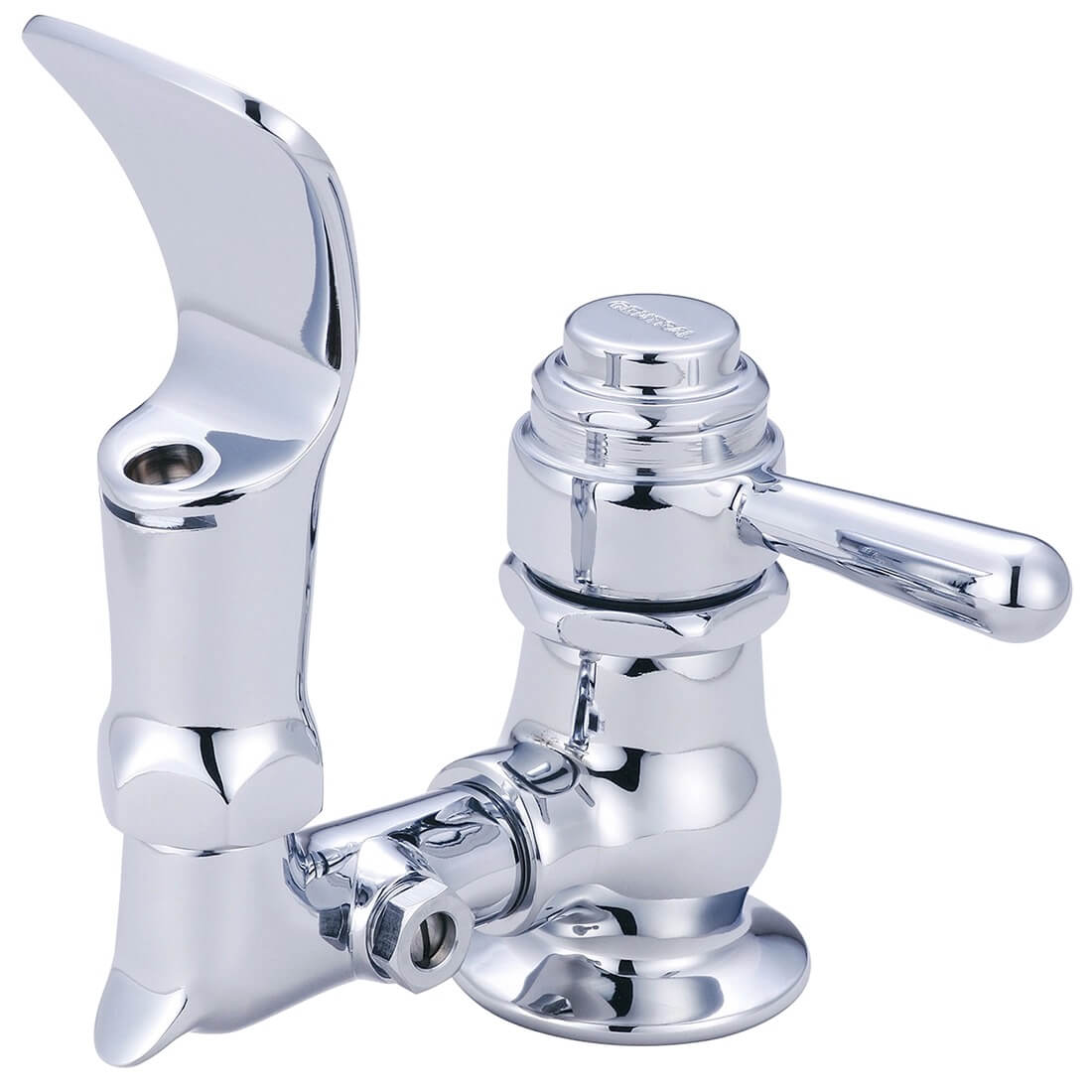
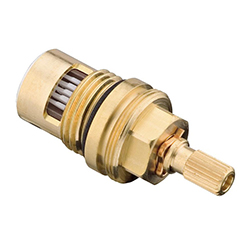
- Central Brass Faucet Parts: Central Brass Faucet Parts replace components specific to Central Brass faucets, including stems, handles, and trim pieces. Central Brass fixtures are found in both residential and commercial settings, and their parts are typically matched by model number rather than universal fit. Keeping the fixture's model information on hand speeds up finding the correct replacement part.
Buying Guide
Repairing a faucet or sink starts with identifying the exact manufacturer and model. Internal components such as cartridges and stems are built to fit one brand's design. They rarely cross over to another brand.
Universal parts exist for common wear items such as washers and some aerators, but manufacturer-specific parts are usually required for cartridges, handles, and trim pieces on branded fixtures.
Faucet & Sink Parts for commercial fixtures, such as those in restaurants or institutional restrooms, often differ from residential parts even when the brand name overlaps. Confirming whether the fixture is a commercial or residential model matters.
Keeping a record of model numbers for fixtures a crew services regularly cuts down on return trips for the wrong part. This matters most for older fixtures, where the model information may not be visible without removing trim.
For a fixture with a persistent drip or leak, check the washer, o-ring, or cartridge first. These are the most common failure points, so rule them out before assuming a larger fixture problem.
Frequently Asked Questions
How can the correct faucet part be identified without a model number visible?
Removing the faucet handle or escutcheon often reveals a stamped model number or manufacturer logo on the cartridge or valve body underneath. If no marking is found, physical features such as handle style and spout shape can help narrow down the likely brand and model.
Are faucet cartridges interchangeable between brands?
Faucet cartridges are almost always brand and model specific, since each manufacturer designs its own internal sealing mechanism and dimensions. A cartridge from one brand will typically not fit or seal correctly in another brand's faucet body. Confirming the exact cartridge part number for the faucet model remains the reliable way to get a proper fit.
What causes a faucet to keep dripping after a washer replacement?
A worn valve seat, damaged o-ring, or a cartridge nearing the end of its service life can all cause continued dripping even after a washer is replaced. Mineral buildup on the seat or cartridge from hard water can also prevent a proper seal. Inspecting these additional components before reassembling the faucet helps confirm the actual cause of the leak.
Do commercial faucet parts differ from residential parts?
Commercial faucet parts are often built for higher-cycle use and may use different cartridge or valve designs than residential fixtures, even under the same brand name. Institutional and food-service faucets in particular tend to have parts specific to their more heavy-duty construction. Checking whether a fixture is labeled as a commercial model helps narrow down the correct parts list.
How often do bibb washers need to be replaced?
Bibb washers wear based on frequency of use and water quality rather than a fixed schedule, with hard water and frequent use accelerating wear. A dripping outdoor spigot or compression faucet is usually the first sign a washer needs replacing. Replacing the washer promptly when dripping starts helps prevent further wear on the valve seat it presses against.
Resources
Subcategories
- Acorn Parts: Acorn Parts cover replacement components for Acorn brand faucets and fixtures, commonly found in commercial and institutional restrooms. Parts in this line include cartridges, handles, and other pieces specific to Acorn's fixture designs. Matching the exact model number on the existing fixture helps confirm compatibility before ordering.
- American Standard Faucet and Sink Parts: American Standard Faucet and Sink Parts replace worn or damaged components on American Standard faucets and sinks. Included parts are cartridges, aerators, and handles. These parts are built to fit specific American Standard fixture models. Checking the fixture's model number against the part's listed compatibility avoids ordering the wrong component.
- Bibb Washers: Bibb washers are the small rubber or synthetic seals used inside compression-style faucets and hose bibbs to stop water flow when the valve is closed. They wear out from repeated use and are one of the most common causes of a dripping faucet or leaking outdoor spigot. Replacing a worn bibb washer is typically a quick repair compared to replacing the entire faucet or bibb assembly.
- Blanco Faucet and Sink Parts: Blanco Faucet and Sink Parts replace components on Blanco kitchen and bar faucets and sinks. Included parts are cartridges, spray heads, and mounting hardware. Blanco fixtures often use parts specific to their model line, so matching the exact part number listed for the fixture helps avoid a mismatch. These parts support ongoing repair of existing Blanco fixtures rather than a full replacement.
- Brasscraft Faucet Parts: Brasscraft Faucet Parts cover universal and brand-specific components used to repair a wide range of faucet types, including stems, cartridges, and seats. Brasscraft is a common source for parts that fit multiple faucet brands, which can simplify stocking for service technicians handling varied fixture types. Confirming fit against the faucet's existing components is still recommended before installation.
- Central Brass Faucet Parts: Central Brass Faucet Parts replace components specific to Central Brass faucets, including stems, handles, and trim pieces. Central Brass fixtures are found in both residential and commercial settings, and their parts are typically matched by model number rather than universal fit. Keeping the fixture's model information on hand speeds up finding the correct replacement part.
Buying Guide
Repairing a faucet or sink starts with identifying the exact manufacturer and model. Internal components such as cartridges and stems are built to fit one brand's design. They rarely cross over to another brand.
Universal parts exist for common wear items such as washers and some aerators, but manufacturer-specific parts are usually required for cartridges, handles, and trim pieces on branded fixtures.
Faucet & Sink Parts for commercial fixtures, such as those in restaurants or institutional restrooms, often differ from residential parts even when the brand name overlaps. Confirming whether the fixture is a commercial or residential model matters.
Keeping a record of model numbers for fixtures a crew services regularly cuts down on return trips for the wrong part. This matters most for older fixtures, where the model information may not be visible without removing trim.
For a fixture with a persistent drip or leak, check the washer, o-ring, or cartridge first. These are the most common failure points, so rule them out before assuming a larger fixture problem.
Frequently Asked Questions
How can the correct faucet part be identified without a model number visible?
Removing the faucet handle or escutcheon often reveals a stamped model number or manufacturer logo on the cartridge or valve body underneath. If no marking is found, physical features such as handle style and spout shape can help narrow down the likely brand and model.
Are faucet cartridges interchangeable between brands?
Faucet cartridges are almost always brand and model specific, since each manufacturer designs its own internal sealing mechanism and dimensions. A cartridge from one brand will typically not fit or seal correctly in another brand's faucet body. Confirming the exact cartridge part number for the faucet model remains the reliable way to get a proper fit.
What causes a faucet to keep dripping after a washer replacement?
A worn valve seat, damaged o-ring, or a cartridge nearing the end of its service life can all cause continued dripping even after a washer is replaced. Mineral buildup on the seat or cartridge from hard water can also prevent a proper seal. Inspecting these additional components before reassembling the faucet helps confirm the actual cause of the leak.
Do commercial faucet parts differ from residential parts?
Commercial faucet parts are often built for higher-cycle use and may use different cartridge or valve designs than residential fixtures, even under the same brand name. Institutional and food-service faucets in particular tend to have parts specific to their more heavy-duty construction. Checking whether a fixture is labeled as a commercial model helps narrow down the correct parts list.
How often do bibb washers need to be replaced?
Bibb washers wear based on frequency of use and water quality rather than a fixed schedule, with hard water and frequent use accelerating wear. A dripping outdoor spigot or compression faucet is usually the first sign a washer needs replacing. Replacing the washer promptly when dripping starts helps prevent further wear on the valve seat it presses against.