




C Series Circuit Breakers

 --%3E %3Csvg version='1.1' id='No-RB' xmlns='http://www.w3.org/2000/svg' xmlns:xlink='http://www.w3.org/1999/xlink' x='0px' y='0px' viewBox='0 0 100 100' enable-background='new 0 0 100 100' xml:space='preserve'%3E %3Cpath fill='%23CECECE' d='M79.44,0.95H20.56C9.78,0.95,0.95,9.78,0.95,20.56v58.87c0,10.79,8.82,19.61,19.61,19.61h58.87 c10.79,0,19.61-8.83,19.61-19.61V20.56C99.05,9.78,90.22,0.95,79.44,0.95z M65.38,58.24l9.38,29.58L49.69,69.78L24.5,87.82 l9.34-29.6L8.8,39.6l30.73-0.17c0,0,6.98-19.61,10-28.93c0.54,1.36,9.88,29.1,9.88,29.1H91.2L65.38,58.24z'/%3E %3C/svg%3E)

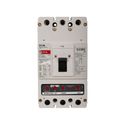

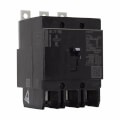
C Series Circuit Breakers are molded case breakers built to replace legacy Cutler-Hammer and Eaton designs in panelboards, switchboards, motor control centers, and busway systems without reworking the existing enclosure. The line carries UL and CSA listing for use up to 600VAC and 800A, covering everything from small branch circuits to heavier feeder applications. Trip unit options include thermal-magnetic, electronic, and magnetic-only (HMCP) configurations, so an electrician can match the breaker to the level of protection a circuit actually needs. Constant trip ratings hold steady across a wide ambient temperature range, from negative 40 degrees Celsius to 85 degrees Celsius, which matters in mechanical rooms and outdoor enclosures where temperature swings are common. Backward compatibility with older Cutler-Hammer frame styles means a retrofit doesn't always require replacing the whole panelboard. For a service call or panel upgrade where matching an existing breaker footprint saves time, this lineup covers most standard voltage and amperage combinations electricians run into.
Subcategories
- Thermal-Magnetic C Series Breakers: A thermal-magnetic C Series breaker pairs a bimetal element for overload protection with a magnetic trip for short-circuit response, covering the most common branch and feeder circuit needs. Electricians reach for this configuration on standard lighting, receptacle, and small motor circuits where a fixed trip curve is enough. The breaker carries UL 489 compliance and holds a rating up to 600VAC. It's the baseline option most panelboards are built around.
- Electronic Trip C Series Breakers: An electronic trip C Series breaker replaces the bimetal and magnetic elements with a solid-state trip unit, giving finer control over pickup and time-delay settings. Facilities with coordinated protection schemes, where one breaker needs to trip before another breaker connected further back in the circuit, rely on this adjustability. Like the thermal-magnetic version, the electronic trip breaker is rated up to 600VAC and 800A depending on frame size. Panel designers use it where selective coordination across multiple breakers matters.
- Magnetic-Only (HMCP) C Series Breakers: A magnetic-only breaker, often called an HMCP, trips purely on instantaneous magnetic response with no thermal element, which makes it suited for motor circuit protection paired with a separate overload relay. Motor starter combinations use this configuration because the motor's own overload device already handles the thermal side of protection. HMCP versions in the C Series line hold the same 600VAC listing as the rest of the family. Sizing one correctly means matching the magnetic trip setting to the motor's locked rotor current rather than continuous full load current.
- Panelboard & Switchboard C Series Breakers: C Series breakers built for panelboard and switchboard mounting share a common frame footprint that lines up with legacy Cutler-Hammer installations, which is why replacement jobs rarely require modifying the enclosure. Facility electricians pull these when a breaker fails in an older panel and an exact discontinued part isn't available. The line's UL and CSA listing up to 800A covers panelboard, switchboard, motor control center, and busway mounting. Matching the frame style to the existing bus stabs is the main fit check before ordering.
Buying Guide
Selecting the right breaker starts with matching trip unit type to the job. Thermal-magnetic units cover standard branch and feeder circuits and are the most common choice for lighting and receptacle panels. Electronic trip units make sense where selective coordination matters, since adjustable pickup and time-delay settings let one breaker clear a fault before another connected further back in the circuit. Magnetic-only (HMCP) breakers pair with a separate motor overload relay and get sized off the motor's locked rotor current rather than its running current. Voltage and amperage come next. C Series Circuit Breakers carry UL and CSA listing up to 600VAC and 800A, so confirming the panel's bus rating and the circuit's actual load before ordering avoids over-sizing or under-sizing the breaker. Frame compatibility matters most on retrofit jobs. Because the line was built to match legacy Cutler-Hammer frame styles, a failed breaker in an older panelboard can often get replaced without swapping the whole enclosure, which saves both material and labor on a service call. Ambient temperature is worth a second look in mechanical rooms, rooftop enclosures, or anywhere temperature swings are wide, since the line holds constant trip ratings from negative 40 to 85 degrees Celsius. Confirming UL 489 compliance on the nameplate before final sign-off closes out the selection process on any commercial or industrial job.
Frequently Asked Questions
What's the difference between thermal-magnetic and electronic trip C Series breakers?
A thermal-magnetic breaker uses a bimetal element for overload sensing and a magnetic element for short-circuit response, both fixed at the factory. An electronic trip breaker swaps those for a solid-state trip unit with adjustable pickup and time-delay settings, which suits facilities running selective coordination between multiple breakers. Standard lighting and receptacle panels usually only need the thermal-magnetic version.
What voltage and amperage range do C Series Circuit Breakers cover?
C Series Circuit Breakers carry UL and CSA listing for use up to 600VAC and 800A depending on frame size and trip unit. That range spans small branch circuits through heavier feeder and motor control center applications. Confirming the panel's bus rating against the breaker's frame size before ordering avoids a mismatch.
Can a C Series breaker replace an older Cutler-Hammer breaker without changing the panelboard?
C Series breakers were built with backward compatibility to legacy Cutler-Hammer frame styles, so a failed breaker in an older panel can often get swapped without reworking the enclosure. Matching the frame footprint and bus stab configuration is still worth confirming before ordering a replacement. Retrofit compatibility is one of the main reasons contractors reach for this line on older panels.
What is an HMCP breaker used for?
An HMCP, or magnetic-only breaker, trips purely on instantaneous magnetic response and skips the thermal element entirely. Motor circuits use this configuration alongside a separate overload relay that handles thermal protection instead. Sizing an HMCP breaker means matching its magnetic trip setting to the motor's locked rotor current.
Do C Series breakers hold their rating in hot or cold equipment rooms?
C Series Circuit Breakers maintain constant trip ratings across an ambient range of negative 40 to 85 degrees Celsius, which covers most mechanical rooms, rooftop enclosures, and outdoor equipment pads. That stability means the breaker doesn't need to be oversized just to compensate for a hot or cold installation location. Checking the enclosure's expected temperature range against the breaker's rating is still good practice on unusual installations.
