



Filters
SORT
Product Availability –
Review Score –
 --%3E %3Csvg version='1.1' id='Fill' xmlns='http://www.w3.org/2000/svg' xmlns:xlink='http://www.w3.org/1999/xlink' x='0px' y='0px' viewBox='0 0 100 100' enable-background='new 0 0 100 100' xml:space='preserve'%3E %3Cpath fill='%23F15C02' d='M79.44,0.95H20.56C9.78,0.95,0.95,9.78,0.95,20.56v58.87c0,10.79,8.82,19.61,19.61,19.61h58.87 c10.79,0,19.61-8.83,19.61-19.61V20.56C99.05,9.78,90.22,0.95,79.44,0.95z M65.38,58.24l9.38,29.58L49.69,69.78L24.5,87.82 l9.34-29.6L8.8,39.6l30.73-0.17c0,0,6.98-19.61,10-28.93c0.54,1.36,9.88,29.1,9.88,29.1H91.2L65.38,58.24z'/%3E %3C/svg%3E)
Price Range –
Carrier Actuators

 --%3E %3Csvg version='1.1' id='No-RB' xmlns='http://www.w3.org/2000/svg' xmlns:xlink='http://www.w3.org/1999/xlink' x='0px' y='0px' viewBox='0 0 100 100' enable-background='new 0 0 100 100' xml:space='preserve'%3E %3Cpath fill='%23CECECE' d='M79.44,0.95H20.56C9.78,0.95,0.95,9.78,0.95,20.56v58.87c0,10.79,8.82,19.61,19.61,19.61h58.87 c10.79,0,19.61-8.83,19.61-19.61V20.56C99.05,9.78,90.22,0.95,79.44,0.95z M65.38,58.24l9.38,29.58L49.69,69.78L24.5,87.82 l9.34-29.6L8.8,39.6l30.73-0.17c0,0,6.98-19.61,10-28.93c0.54,1.36,9.88,29.1,9.88,29.1H91.2L65.38,58.24z'/%3E %3C/svg%3E)

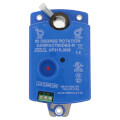
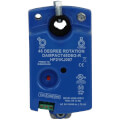
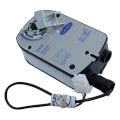
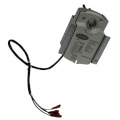

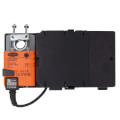

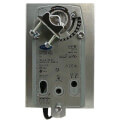
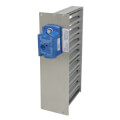
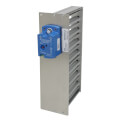
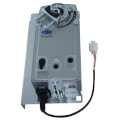
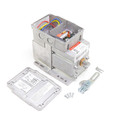
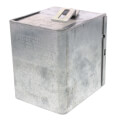

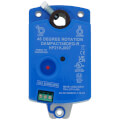
Carrier actuators are electromechanical devices that convert electrical control signals into physical damper movement, regulating airflow through duct systems in residential and commercial HVAC applications. Carrier actuators cover a range of rotation angles and torque outputs to match the specific mechanical demands of the damper being controlled, from the 45° rotation of round residential zone dampers to the 95° rotation of the ClimaVision commercial series, which delivers 45 in-lb (5 Nm) of torque from a brushless DC motor. Selecting the wrong actuator for a damper assembly is one of the more avoidable service calls out there. Carrier actuators are OEM components engineered to match Carrier damper shaft geometries, control voltages, and system architectures, which means the fit, the feedback, and the control sequence work the first time.
KEY SUBCATEGORIES / PRODUCT TYPES
45° Round Damper Actuators
Carrier's 45° round damper actuators are OEM replacement components designed for residential zone damper assemblies that use a half-open blade position as the control endpoint. The DAMPACT45DEGR is built for round duct configurations and uses a 24VAC direct-drive design with a 1/2-inch direct-drive mounting hub that secures the damper blade and shaft directly to the actuator housing. A spring-loaded disengagement button allows the main gear and damper blade to be manually released and repositioned without tools, useful on a tight ceiling joist install. Contractors specifying a replacement actuator for a Carrier round zone damper should confirm the shaft diameter and rotation angle before ordering, as 45° and 90° models are not interchangeable.
90° Rectangular Damper Actuators
Carrier's 90° rectangular damper actuators are OEM components built for rectangular duct configurations where the damper blade travels a full quarter turn from closed to fully open. The DAMPACT90DEG-R is the current OEM replacement for Carrier rectangular zone damper assemblies and operates on 24VAC. Rectangular dampers typically appear in larger trunk lines or in commercial light commercial zoning layouts where round duct isn't practical. When replacing a rectangular damper actuator, verifying the rotation direction and control wiring against the original installation documentation avoids commissioning headaches after the fact.
ClimaVision Damper Actuators for Commercial VVT and VAV Applications
The Carrier ClimaVision damper actuator, model 7C-LMB24.1, is a non-fail-safe modulating actuator built specifically for ClimaVision VVT and VAV zoning applications in commercial buildings. Carrier's LMB series delivers 45 in-lb (5 Nm) of torque and provides 95° of rotation with a visual position indicator on the actuator body. The 7C-LMB24.1 runs on a sensorless, brushless DC motor controlled by an Application Specific Integrated Circuit (ASIC), which monitors rotation and provides a digital rotation sensing (DRS) function to protect the actuator from stall damage. No limit switches are required. For commercial zoning retrofits or new ClimaVision builds, the 7C-LMB24.1 pairs with add-on auxiliary switches or feedback potentiometers that fasten directly onto the actuator body without additional brackets.
i-Vu Smart Damper Actuators for Building Automation
The Carrier i-Vu SV-SDA series smart damper actuators are communicating devices designed for direct connection to the Act Net actuator sub-network bus on any Act Net-enabled i-Vu controller. Up to 8 smart devices can connect to a single Act Net bus, reducing wiring complexity on larger commercial jobs. The SV-SDA series uses Multi-Function Technology (MFT) for precise damper control, with models available in spring return, non-spring return, and electronic fail-safe configurations. Torque options across the SV-SDA lineup range from 22 to 360 in-lbs, with rotation up to 95°, covering everything from small VAV box dampers to large AHU applications. Exact position feedback is communicated back to the i-Vu system, which means diagnostics and fault detection work in real time rather than at the next scheduled maintenance visit.
VVT Bypass Controller with Integrated Actuator
The Carrier 33ZCBC-01 VVT Bypass Controller comes with the actuator preassembled to the housing, rated at 35 in-lb (3.95 N-m) torque with an adjustable 90-degree stroke and 90-second nominal timing at 60 Hz. The actuator assembly mounts directly onto a 3/8-inch square or round VVT box damper shaft or a 1/2-inch round damper shaft, and it operates with dampers having 90°, 60°, and 45-degree strokes. Bypass controllers manage static pressure in VVT systems by diverting excess supply air, so the actuator's reliability directly affects zone comfort across the entire system. The 33ZCBC-01 includes an integrated conduit box and cover, which keeps the wiring clean on a commercial retrofit where the bypass is sitting in an accessible ceiling plenum.
BUYING GUIDE / HOW TO CHOOSE
The first decision when specifying a Carrier actuator is rotation angle. Round residential dampers typically use 45° actuators. Rectangular dampers and most commercial zone dampers use 90°. Carrier's ClimaVision and i-Vu commercial actuators offer up to 95° rotation. Mixing rotation angles on a replacement job is a fast path to a damper that won't fully open or close, so confirming the original actuator's spec sheet before pulling the trigger matters.
Control voltage is the second checkpoint. Most Carrier residential zone actuators run on 24VAC. Commercial actuators in the ClimaVision and i-Vu series also use 24VAC but may accept 2-10V analog signals for modulating control. Contractors working on a ClimaVision VVT system should confirm whether the zone controller is expecting on/off or modulating input before selecting an actuator model.
Torque requirements depend on damper size and static pressure conditions in the duct. Residential round zone Carrier actuators handle typical low-pressure residential duct work without issue. Commercial applications with large dampers, higher duct velocities, or significant static pressure call for actuators in the 35 to 360 in-lb range, which is where the 33ZCBC-01 bypass actuator and the i-Vu SV-SDA series come in. Undersizing torque is a common field mistake, particularly on bypass dampers that may see elevated static pressure during peak load.
For anyone specifying Carrier actuators into a building automation environment, the communication architecture is a fourth variable. The i-Vu SV-SDA smart actuators connect to the Act Net bus and deliver exact position feedback to the controller. Standard on/off or modulating actuators on a ClimaVision system won't provide that feedback loop. The right choice depends on what level of diagnostics and fault detection the project requires. When in doubt, Carrier's engineering documentation for the specific controller family is the authoritative source for actuator compatibility.
FAQs
What's the difference between a 45° and a 90° Carrier damper actuator?
The difference between a 45° and a 90° Carrier damper actuator is the total rotation the actuator travels from fully closed to fully open. Carrier's 45° actuators, such as the DAMPACT45DEGR, are designed for round residential zone dampers that only need a half-open blade position to control airflow. Carrier's 90° actuators, such as the DAMPACT90DEG-R, are built for rectangular dampers that require a full quarter-turn stroke. Installing a 45° actuator on a 90° damper application can result in a damper that won't fully open, which may cause airflow restrictions and zone temperature complaints.
How do I know which Carrier replacement actuator fits my zone damper?
Matching a Carrier replacement actuator to an existing zone damper requires confirming three things: damper shape (round or rectangular), rotation angle (45° or 90°), and shaft diameter. Carrier's OEM replacement actuators, including the DAMPACT45DEGR for round dampers and the DAMPACT90DEG-R for rectangular dampers, are designed to fit Carrier damper shaft geometries. Cross-referencing the model number on the existing actuator against Carrier's replacement documentation is the most reliable way to confirm a direct match. Carrier's older DAMPACT45DEG has been superseded by the DAMPACT45DEGR, so checking for current replacement designations before ordering avoids compatibility issues.
What torque rating do Carrier actuators for commercial VVT applications deliver?
Torque ratings for Carrier actuators in commercial VVT applications vary by product line. The Carrier ClimaVision damper actuator (model 7C-LMB24.1) delivers 45 in-lb (5 Nm) for VVT and VAV zone damper control. The Carrier 33ZCBC-01 VVT Bypass Controller's preassembled actuator is rated at 35 in-lb (3.95 N-m) with an adjustable 90-degree stroke. For larger commercial applications requiring higher torque, the Carrier i-Vu SV-SDA smart damper actuator series covers torque options ranging from 22 to 360 in-lbs across its available models. Selecting the appropriate torque for the damper size and duct static pressure conditions is critical to long-term actuator reliability.
Can Carrier i-Vu smart damper actuators work with non-Carrier HVAC equipment?
Carrier i-Vu smart damper actuators in the SV-SDA series are designed to connect to Act Net-enabled i-Vu controllers, but Carrier has confirmed the smart damper actuators can also work with non-Carrier HVAC equipment. The SV-SDA actuators support both Act Net serial communications and analog 2-10V connections, which provides flexibility when the connected HVAC equipment isn't Carrier-branded. The Act Net bus approach delivers exact position feedback and supports auto-addressing for faster commissioning, while the analog connection option works with conventional controller inputs. Verifying the controller's compatibility with Act Net or 2-10V inputs before specifying is the right call on any mixed-equipment job.
What does the digital rotation sensing (DRS) function do on the Carrier ClimaVision actuator?
The digital rotation sensing (DRS) function on the Carrier ClimaVision damper actuator (7C-LMB24.1) monitors the actuator's rotation through an Application Specific Integrated Circuit (ASIC) and automatically stops the motor if a stall condition is detected. Without a DRS function, a stalled actuator can overheat and fail prematurely, particularly in applications where a damper blade jams against debris or a mechanical obstruction. The DRS function also allows the ClimaVision actuator to operate without mechanical limit switches, which reduces moving parts and potential failure points. The actuator automatically stops at the end position without relying on physical stops to limit travel.
