



Carrier Parts - Furnace & AC
Carrier parts cover the replacement components for Carrier HVAC equipment, from compressors and heat exchangers to the electrical parts, filters, and condensate management supplies that keep a system running. The category groups parts by function to make it easier to find the right component for a given repair.
Sourcing genuine Carrier parts helps keep equipment within its factory warranty terms and ensures electrical components like capacitors and control boards match the system's original specifications. Technicians servicing Carrier equipment regularly rely on this category for both routine maintenance items and larger mechanical replacements.
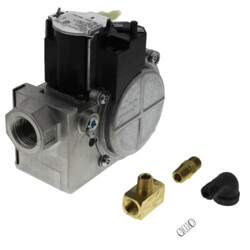
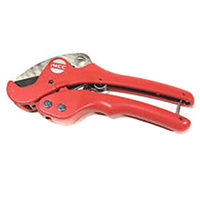
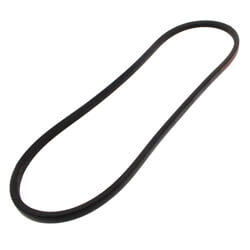

Subcategories
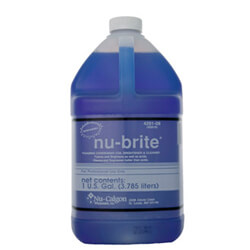
- Carrier Chemicals & Cleaners: Carrier Chemicals & Cleaners covers coil cleaners, condensate line treatments, and other maintenance chemicals technicians use during routine service calls and startup on Carrier equipment. Regular coil cleaning and condensate treatment help prevent the algae growth and buildup that cause drain line clogs and reduced heat transfer over a cooling season.
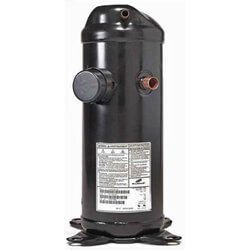
- Carrier Compressors & Parts: Carrier Compressors & Parts covers scroll and reciprocating compressor replacements along with the crankcase heaters, start components, and mounting hardware that go with a compressor swap. Compressor failures typically call for replacing related components such as the filter drier and contactor at the same time, since a burned-out compressor often leaves contaminants in the refrigerant circuit.
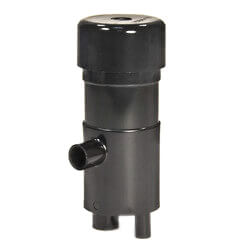
- Carrier Condensate Pumps & Supplies: Carrier Condensate Pumps & Supplies covers the pumps, switches, and tubing that move condensate away from indoor coils and furnaces installed without a gravity drain path. A failed condensate pump is a common callback on attic and basement air handlers, since a clogged or seized pump triggers a safety switch that shuts the system down before water damage occurs.
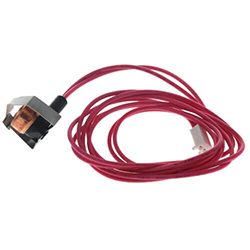
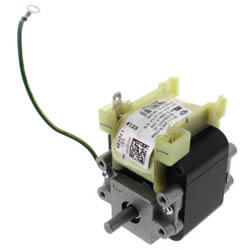
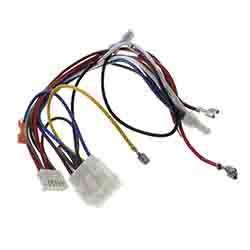
- Carrier Electrical Parts: Carrier Electrical Parts covers capacitors, contactors, relays, transformers, and control boards that manage power delivery and system sequencing across Carrier furnaces, air conditioners, and heat pumps. A weak run capacitor is one of the most frequent causes of a compressor or blower motor that hums but will not start, making capacitors one of the highest-turnover parts in this category.
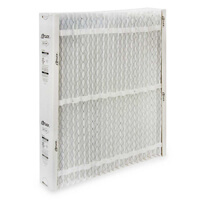
- Carrier Filters: Carrier Filters covers the disposable and washable air filters sized for Carrier furnaces and air handlers, along with the filter racks and cabinets some models use. Replacing filters on the manufacturer's recommended schedule protects blower motors and coils from the dust buildup that reduces airflow and drives up energy use.
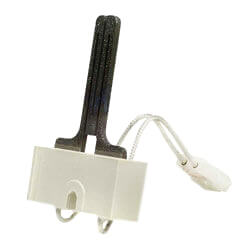
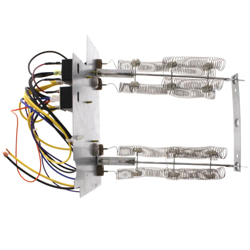
- Carrier Heat Exchangers & Heaters: Carrier Heat Exchangers & Heaters covers primary and secondary furnace heat exchangers along with electric heat kits and heater elements used in Carrier air handlers and packaged units. A cracked heat exchanger is a safety-driven replacement, since it can allow combustion byproducts to mix with the conditioned air supply.
Buying Guide
Matching a part to a Carrier system starts with the model and serial number on the unit's data plate, not the part that looks similar on a shelf. Carrier assigns specific part numbers by equipment series and production run, so a compressor or control board from one model year does not always interchange with a similar-looking unit from another.
Electrical parts such as capacitors, contactors, and control boards fail more often than mechanical components and cause the majority of no-cool and no-heat service calls. Stocking a range of common capacitor and contactor values on the truck cuts down on second trips for the calls that make up the bulk of a technician's schedule.
Compressor and heat exchanger replacements carry more risk and cost than swapping an electrical part, so confirming the failure before ordering matters. A compressor that trips on internal overload from a failed run capacitor does not need replacing, while a heat exchanger with a confirmed crack always does.
Filters and condensate supplies are routine maintenance items rather than failure diagnostics, and keeping a stock of the correct filter sizes for the Carrier equipment on a route saves a trip back to the supply house on a routine maintenance visit.
Chemicals and cleaners round out a maintenance visit and extend the life of the parts already installed. Coil cleaner and condensate line treatment used on a regular schedule reduce how often the electrical and mechanical parts above need replacing in the first place.
Frequently Asked Questions
How can a Carrier part be matched to the correct model?
Pull the model and serial number from the equipment data plate before ordering, since Carrier part numbers are tied to specific equipment series and production runs rather than a general size or type.
What Carrier parts fail most often?
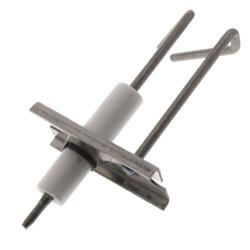
Capacitors, contactors, igniters, flame sensors, and condensate pumps see the highest turnover, since they are exposed to electrical cycling, heat, or moisture every time the system runs.
Can aftermarket or universal parts replace Carrier OEM components?
Universal electrical components such as capacitors and contactors often work as a functional replacement when sized correctly, but heat exchangers, control boards, and compressors typically need a Carrier-specific or Carrier-compatible part number to fit and function correctly.
Why does a Carrier system need a specific filter size instead of a generic one?
Carrier furnaces and air handlers are engineered around a specific filter size and airflow rating, so an undersized or oversized filter changes static pressure across the blower and can reduce both comfort and equipment life.
When does a heat exchanger need replacing instead of repairing?
A cracked or corroded heat exchanger is a safety replacement, not a repair, since a breach can allow combustion byproducts into the airstream. Confirming the crack with a proper combustion or visual inspection is a necessary step before ordering the replacement part.
Resources
Subcategories
- Carrier Chemicals & Cleaners: Carrier Chemicals & Cleaners covers coil cleaners, condensate line treatments, and other maintenance chemicals technicians use during routine service calls and startup on Carrier equipment. Regular coil cleaning and condensate treatment help prevent the algae growth and buildup that cause drain line clogs and reduced heat transfer over a cooling season.
- Carrier Compressors & Parts: Carrier Compressors & Parts covers scroll and reciprocating compressor replacements along with the crankcase heaters, start components, and mounting hardware that go with a compressor swap. Compressor failures typically call for replacing related components such as the filter drier and contactor at the same time, since a burned-out compressor often leaves contaminants in the refrigerant circuit.
- Carrier Condensate Pumps & Supplies: Carrier Condensate Pumps & Supplies covers the pumps, switches, and tubing that move condensate away from indoor coils and furnaces installed without a gravity drain path. A failed condensate pump is a common callback on attic and basement air handlers, since a clogged or seized pump triggers a safety switch that shuts the system down before water damage occurs.
- Carrier Electrical Parts: Carrier Electrical Parts covers capacitors, contactors, relays, transformers, and control boards that manage power delivery and system sequencing across Carrier furnaces, air conditioners, and heat pumps. A weak run capacitor is one of the most frequent causes of a compressor or blower motor that hums but will not start, making capacitors one of the highest-turnover parts in this category.
- Carrier Filters: Carrier Filters covers the disposable and washable air filters sized for Carrier furnaces and air handlers, along with the filter racks and cabinets some models use. Replacing filters on the manufacturer's recommended schedule protects blower motors and coils from the dust buildup that reduces airflow and drives up energy use.
- Carrier Heat Exchangers & Heaters: Carrier Heat Exchangers & Heaters covers primary and secondary furnace heat exchangers along with electric heat kits and heater elements used in Carrier air handlers and packaged units. A cracked heat exchanger is a safety-driven replacement, since it can allow combustion byproducts to mix with the conditioned air supply.
Buying Guide
Matching a part to a Carrier system starts with the model and serial number on the unit's data plate, not the part that looks similar on a shelf. Carrier assigns specific part numbers by equipment series and production run, so a compressor or control board from one model year does not always interchange with a similar-looking unit from another.
Electrical parts such as capacitors, contactors, and control boards fail more often than mechanical components and cause the majority of no-cool and no-heat service calls. Stocking a range of common capacitor and contactor values on the truck cuts down on second trips for the calls that make up the bulk of a technician's schedule.
Compressor and heat exchanger replacements carry more risk and cost than swapping an electrical part, so confirming the failure before ordering matters. A compressor that trips on internal overload from a failed run capacitor does not need replacing, while a heat exchanger with a confirmed crack always does.
Filters and condensate supplies are routine maintenance items rather than failure diagnostics, and keeping a stock of the correct filter sizes for the Carrier equipment on a route saves a trip back to the supply house on a routine maintenance visit.
Chemicals and cleaners round out a maintenance visit and extend the life of the parts already installed. Coil cleaner and condensate line treatment used on a regular schedule reduce how often the electrical and mechanical parts above need replacing in the first place.
Frequently Asked Questions
How can a Carrier part be matched to the correct model?
Pull the model and serial number from the equipment data plate before ordering, since Carrier part numbers are tied to specific equipment series and production runs rather than a general size or type.
What Carrier parts fail most often?
Capacitors, contactors, igniters, flame sensors, and condensate pumps see the highest turnover, since they are exposed to electrical cycling, heat, or moisture every time the system runs.
Can aftermarket or universal parts replace Carrier OEM components?
Universal electrical components such as capacitors and contactors often work as a functional replacement when sized correctly, but heat exchangers, control boards, and compressors typically need a Carrier-specific or Carrier-compatible part number to fit and function correctly.
Why does a Carrier system need a specific filter size instead of a generic one?
Carrier furnaces and air handlers are engineered around a specific filter size and airflow rating, so an undersized or oversized filter changes static pressure across the blower and can reduce both comfort and equipment life.
When does a heat exchanger need replacing instead of repairing?
A cracked or corroded heat exchanger is a safety replacement, not a repair, since a breach can allow combustion byproducts into the airstream. Confirming the crack with a proper combustion or visual inspection is a necessary step before ordering the replacement part.