




Filters
SORT
Product Availability –
Review Score –
 --%3E %3Csvg version='1.1' id='Fill' xmlns='http://www.w3.org/2000/svg' xmlns:xlink='http://www.w3.org/1999/xlink' x='0px' y='0px' viewBox='0 0 100 100' enable-background='new 0 0 100 100' xml:space='preserve'%3E %3Cpath fill='%23F15C02' d='M79.44,0.95H20.56C9.78,0.95,0.95,9.78,0.95,20.56v58.87c0,10.79,8.82,19.61,19.61,19.61h58.87 c10.79,0,19.61-8.83,19.61-19.61V20.56C99.05,9.78,90.22,0.95,79.44,0.95z M65.38,58.24l9.38,29.58L49.69,69.78L24.5,87.82 l9.34-29.6L8.8,39.6l30.73-0.17c0,0,6.98-19.61,10-28.93c0.54,1.36,9.88,29.1,9.88,29.1H91.2L65.38,58.24z'/%3E %3C/svg%3E)
 --%3E %3Csvg version='1.1' id='With-RB' xmlns='http://www.w3.org/2000/svg' xmlns:xlink='http://www.w3.org/1999/xlink' x='0px' y='0px' viewBox='0 0 100 100' enable-background='new 0 0 100 100' xml:space='preserve'%3E %3Cpath fill='%23FBC8B4' d='M79.44,0.95H20.56C9.78,0.95,0.95,9.78,0.95,20.56v58.87c0,10.79,8.82,19.61,19.61,19.61h58.87 c10.79,0,19.61-8.83,19.61-19.61V20.56C99.05,9.78,90.22,0.95,79.44,0.95z M65.38,58.24l9.38,29.58L49.69,69.78L24.5,87.82 l9.34-29.6L8.8,39.6l30.73-0.17c0,0,6.98-19.61,10-28.93c0.54,1.36,9.88,29.1,9.88,29.1H91.2L65.38,58.24z'/%3E %3C/svg%3E)
Price Range –
Carrier Condensate Pumps & Supplies

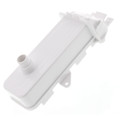

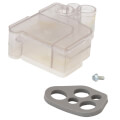
 --%3E %3Csvg version='1.1' id='No-RB' xmlns='http://www.w3.org/2000/svg' xmlns:xlink='http://www.w3.org/1999/xlink' x='0px' y='0px' viewBox='0 0 100 100' enable-background='new 0 0 100 100' xml:space='preserve'%3E %3Cpath fill='%23CECECE' d='M79.44,0.95H20.56C9.78,0.95,0.95,9.78,0.95,20.56v58.87c0,10.79,8.82,19.61,19.61,19.61h58.87 c10.79,0,19.61-8.83,19.61-19.61V20.56C99.05,9.78,90.22,0.95,79.44,0.95z M65.38,58.24l9.38,29.58L49.69,69.78L24.5,87.82 l9.34-29.6L8.8,39.6l30.73-0.17c0,0,6.98-19.61,10-28.93c0.54,1.36,9.88,29.1,9.88,29.1H91.2L65.38,58.24z'/%3E %3C/svg%3E)
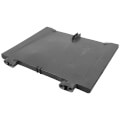
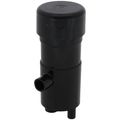
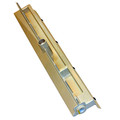
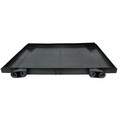
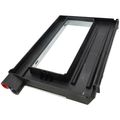

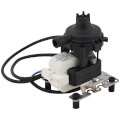
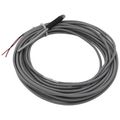
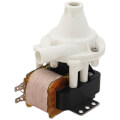
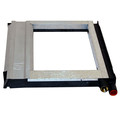
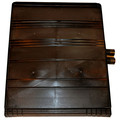
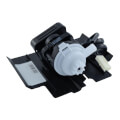
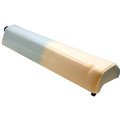
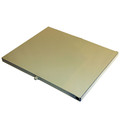
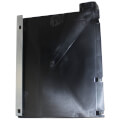
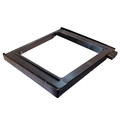
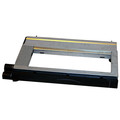
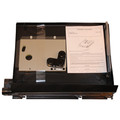
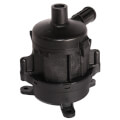

Carrier condensate pumps and supplies keep moisture generated during the cooling process moving out of the air handler or furnace and away from the building, preventing the water damage that follows a clogged or failed drain line. Carrier lists condensate pumps and drain lines among the most common parts that need replacement over a system's working life, alongside filters, capacitors, and blower motors. Some Carrier equipment, like the 42WKN hydronic cassette fan coil, integrates a condensate pump directly into the unit along with a built-in alarm system that flags a problem before it causes overflow. For standalone applications, contractors also carry related supplies like tubing, check valves, and float switches to round out a complete condensate management setup. Carrier recommends that any replacement in this category be handled by a trained professional, since improper installation can create both a safety hazard and a warranty issue for the property owner.
Subcategories
- Condensate Pumps: Condensate pumps actively move water uphill or across a distance to a suitable drain point when gravity alone will not clear the line. They see frequent replacement over a system's lifespan, making them one of the more common stock items on a service truck.
- Condensate Overflow Switches: Overflow switches shut down the connected equipment or trigger an alert when condensate backs up past a safe level, helping prevent water damage from a clogged drain line. Carrier offers overflow switch accessories across its rooftop unit lineup for this purpose. Contractors typically install them alongside the primary condensate pump or drain pan.
- Drain Line Accessories: Drain line accessories, including tubing, traps, and fittings, complete the path that carries condensate away from the air handler or furnace. Contractors typically inspect and clear this line during routine maintenance visits, since a blocked drain is a common cause of nuisance shutdowns.
Buying Guide
Selecting Carrier condensate pumps and supplies starts with confirming how the specific piece of equipment is set up to handle condensate in the first place. Some units, like Carrier's 42WKN hydronic cassette fan coil, integrate a condensate pump and alarm system directly into the equipment, meaning a failure calls for a specific replacement part rather than a generic aftermarket pump. Standalone systems relying on gravity drainage or a separate pump need to be matched by lift height and flow rate to the distance and elevation the water needs to travel.
Because condensate pumps and drain lines are called out as some of the most common parts replaced over a system's working life, contractors should keep common sizes on hand rather than special-ordering after a failure is discovered on-site. Overflow switches are worth adding to any Carrier Condensate Pumps & Supplies order for rooftop or commercial installations, since a switch that shuts down equipment or triggers an alert before overflow occurs can prevent a much larger water damage claim.
Carrier recommends professional installation for this category, since improper setup can create a safety hazard and void the equipment's warranty. Confirming voltage, lift capacity, and drain line size against the original equipment specifications before ordering helps avoid a mismatched part and a second trip to the supply house.
Frequently Asked Questions
What is the difference between a condensate pump and a condensate overflow switch?
A condensate pump actively moves water to a drain point when gravity alone cannot clear the line. An overflow switch is a safety device that shuts down equipment or triggers an alert if condensate backs up past a safe level, rather than moving water itself.
Does Carrier equipment come with a built-in condensate pump?
Some Carrier units, including the 42WKN hydronic cassette fan coil, integrate a condensate pump and alarm system directly into the equipment. Standalone systems typically rely on a separate pump or gravity drain instead.
Why do condensate pumps need frequent replacement?
Carrier lists condensate pumps and drain lines among the most common parts that require replacement over a system's lifespan, alongside filters and capacitors. Regular exposure to moisture and mineral buildup contributes to that wear.
Should condensate pump replacement be a DIY job?
Carrier recommends that replacement parts in this category be installed by a trained professional. Improper installation can create a safety hazard and void the equipment's warranty.
What accessories round out a complete condensate management setup?
A complete setup typically includes the pump or drain line, an overflow switch or safety float, and supporting tubing or fittings. Matching these to the specific equipment and drain path helps prevent nuisance shutdowns and water damage.
