




Carrier Installation Parts
Carrier installation parts are the small hardware components that complete the physical setup of a Carrier HVAC unit, from wiring harnesses and cable ties to fittings, bearings, and grommets. A mismatched or missing installation part rarely affects comfort output directly. It is one of the most common reasons a system fails an inspection or develops an early service call.
Contractors typically buy these parts to replace a damaged harness or service an older unit whose original hardware has degraded. They also buy them to complete a new installation where a kit shipped short a component. Because the parts are specific to Carrier's product lines, matching by the unit's model and series is the difference between a clean install and a return trip.

Subcategories
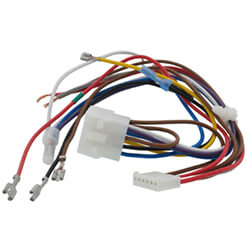
- Carrier Cable Ties & Wiring Harnesses: Wiring harnesses and cable ties in this subcategory route and secure low-voltage control wiring. They are used inside Carrier air handlers, furnaces, and condensing units. Techs reach for them when a harness shows cracked insulation, a connector has burned out, or a retrofit calls for extending an existing run. Matching harness length and connector type to the specific unit keeps wiring runs tidy and away from moving parts like blower wheels.
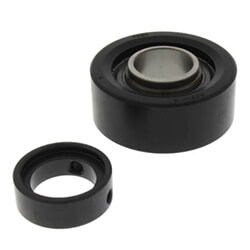
- Carrier Fittings, Bearings, & Grommets: Bearings, fittings, and grommets in this subcategory support moving parts and vibration-prone components throughout Carrier equipment. They include shaft bearings, rubber grommets, and assorted mounting fittings. Bearings wear over time from motor rotation and heat cycling. Grommets harden and crack, which lets vibration transfer into the cabinet and generate noise. Replacing these parts as a set during a service visit is usually faster than isolating a single worn piece.
Buying Guide
Start by confirming the exact Carrier unit model and serial number before ordering any installation part. Carrier's installation hardware is not universal across product lines. A harness or fitting built for one furnace series can have a different connector pitch or mounting pattern than a similar-looking part for another series.
Next, decide whether the job calls for a full harness replacement or a single connector or grommet repair. A full harness swap makes sense when insulation is cracked in multiple spots or a connector has visible heat damage. Patching one section still leaves the rest of the run at the same age and condition.
Bearings and grommets should be replaced in pairs or full sets rather than one at a time. Uneven wear between an old and new component in the same assembly can throw off balance and shorten the life of the part that was just replaced.
Keep spares of the most common cable ties and grommet sizes on the truck. These are inexpensive, low-inventory-risk parts that account for a large share of quick repair calls, and running out mid-job means a second trip.
Some older Carrier units have exact-match hardware that is hard to source. In that case, look for a compatible fitting or connector with the same gauge, pitch, and voltage rating rather than forcing a mismatched part into place. A loose or forced connection is a common cause of intermittent electrical faults that are difficult to diagnose after the fact.
Frequently Asked Questions
What's the difference between OEM and aftermarket Carrier installation parts?
OEM parts are manufactured to Carrier's exact specifications to match the original hardware precisely. Aftermarket parts are made to be compatible but may vary slightly in fit or material. Contractors often default to OEM for warranty-covered units and consider aftermarket for older equipment where exact parts are harder to find.
How do I know which wiring harness fits my Carrier unit?
Checking the unit's model and serial number against the harness's listed compatibility is the most reliable approach. Carrier connector types and harness lengths differ across furnace and air handler series. The rating plate on the unit cabinet is the best source for this information.
Can I reuse existing grommets or bearings during a motor swap?
It depends on their condition. Grommets that show cracking or have lost flexibility should be replaced rather than reused, since a hardened grommet no longer absorbs vibration the way it did when new.
Why does my Carrier unit rattle after a repair?
A rattle after service is frequently traced back to a missing or degraded grommet, a loose fitting, or a bearing that wasn't replaced along with the motor. Isolating vibration points during reassembly usually resolves the noise.
Are cable ties and harnesses rated for high-temperature furnace compartments?
Ratings vary by part. Check the specific product's temperature rating against the compartment location before installing it.
Resources
Subcategories
- Carrier Cable Ties & Wiring Harnesses: Wiring harnesses and cable ties in this subcategory route and secure low-voltage control wiring. They are used inside Carrier air handlers, furnaces, and condensing units. Techs reach for them when a harness shows cracked insulation, a connector has burned out, or a retrofit calls for extending an existing run. Matching harness length and connector type to the specific unit keeps wiring runs tidy and away from moving parts like blower wheels.
- Carrier Fittings, Bearings, & Grommets: Bearings, fittings, and grommets in this subcategory support moving parts and vibration-prone components throughout Carrier equipment. They include shaft bearings, rubber grommets, and assorted mounting fittings. Bearings wear over time from motor rotation and heat cycling. Grommets harden and crack, which lets vibration transfer into the cabinet and generate noise. Replacing these parts as a set during a service visit is usually faster than isolating a single worn piece.
Buying Guide
Start by confirming the exact Carrier unit model and serial number before ordering any installation part. Carrier's installation hardware is not universal across product lines. A harness or fitting built for one furnace series can have a different connector pitch or mounting pattern than a similar-looking part for another series.
Next, decide whether the job calls for a full harness replacement or a single connector or grommet repair. A full harness swap makes sense when insulation is cracked in multiple spots or a connector has visible heat damage. Patching one section still leaves the rest of the run at the same age and condition.
Bearings and grommets should be replaced in pairs or full sets rather than one at a time. Uneven wear between an old and new component in the same assembly can throw off balance and shorten the life of the part that was just replaced.
Keep spares of the most common cable ties and grommet sizes on the truck. These are inexpensive, low-inventory-risk parts that account for a large share of quick repair calls, and running out mid-job means a second trip.
Some older Carrier units have exact-match hardware that is hard to source. In that case, look for a compatible fitting or connector with the same gauge, pitch, and voltage rating rather than forcing a mismatched part into place. A loose or forced connection is a common cause of intermittent electrical faults that are difficult to diagnose after the fact.
Frequently Asked Questions
What's the difference between OEM and aftermarket Carrier installation parts?
OEM parts are manufactured to Carrier's exact specifications to match the original hardware precisely. Aftermarket parts are made to be compatible but may vary slightly in fit or material. Contractors often default to OEM for warranty-covered units and consider aftermarket for older equipment where exact parts are harder to find.
How do I know which wiring harness fits my Carrier unit?
Checking the unit's model and serial number against the harness's listed compatibility is the most reliable approach. Carrier connector types and harness lengths differ across furnace and air handler series. The rating plate on the unit cabinet is the best source for this information.
Can I reuse existing grommets or bearings during a motor swap?
It depends on their condition. Grommets that show cracking or have lost flexibility should be replaced rather than reused, since a hardened grommet no longer absorbs vibration the way it did when new.
Why does my Carrier unit rattle after a repair?
A rattle after service is frequently traced back to a missing or degraded grommet, a loose fitting, or a bearing that wasn't replaced along with the motor. Isolating vibration points during reassembly usually resolves the noise.
Are cable ties and harnesses rated for high-temperature furnace compartments?
Ratings vary by part. Check the specific product's temperature rating against the compartment location before installing it.