




Filters
SORT
Product Availability –
Review Score –
 --%3E %3Csvg version='1.1' id='Fill' xmlns='http://www.w3.org/2000/svg' xmlns:xlink='http://www.w3.org/1999/xlink' x='0px' y='0px' viewBox='0 0 100 100' enable-background='new 0 0 100 100' xml:space='preserve'%3E %3Cpath fill='%23F15C02' d='M79.44,0.95H20.56C9.78,0.95,0.95,9.78,0.95,20.56v58.87c0,10.79,8.82,19.61,19.61,19.61h58.87 c10.79,0,19.61-8.83,19.61-19.61V20.56C99.05,9.78,90.22,0.95,79.44,0.95z M65.38,58.24l9.38,29.58L49.69,69.78L24.5,87.82 l9.34-29.6L8.8,39.6l30.73-0.17c0,0,6.98-19.61,10-28.93c0.54,1.36,9.88,29.1,9.88,29.1H91.2L65.38,58.24z'/%3E %3C/svg%3E)
Price Range –
Carrier Tools & Instruments



 --%3E %3Csvg version='1.1' id='No-RB' xmlns='http://www.w3.org/2000/svg' xmlns:xlink='http://www.w3.org/1999/xlink' x='0px' y='0px' viewBox='0 0 100 100' enable-background='new 0 0 100 100' xml:space='preserve'%3E %3Cpath fill='%23CECECE' d='M79.44,0.95H20.56C9.78,0.95,0.95,9.78,0.95,20.56v58.87c0,10.79,8.82,19.61,19.61,19.61h58.87 c10.79,0,19.61-8.83,19.61-19.61V20.56C99.05,9.78,90.22,0.95,79.44,0.95z M65.38,58.24l9.38,29.58L49.69,69.78L24.5,87.82 l9.34-29.6L8.8,39.6l30.73-0.17c0,0,6.98-19.61,10-28.93c0.54,1.36,9.88,29.1,9.88,29.1H91.2L65.38,58.24z'/%3E %3C/svg%3E)
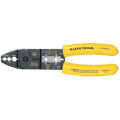

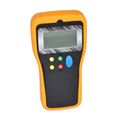
Carrier Tools & Instruments are OEM-branded service equipment designed to install, diagnose, and maintain Carrier HVAC systems using the same specifications Carrier engineers built into the original equipment. The lineup spans test instruments, welding tools, refrigerant recovery units, vacuum pumps, and diagnostic service tools, including the Carrier 17222000A55927 Ductless Diagnostic Service Tool built specifically for troubleshooting Carrier ductless mini-split systems. Technicians servicing Carrier equipment under warranty often prefer OEM tools over generic alternatives, since some diagnostic functions are calibrated to communicate directly with Carrier control boards and read fault codes the equipment reports in its own format. Refrigerant recovery units and vacuum pumps in the lineup handle the same evacuation and recovery work required on any refrigerant circuit, while welding tools support brazing and joint work during installation or repair. Stocking genuine Carrier-branded instruments alongside universal HVAC tools gives a service department the ability to handle Carrier-specific diagnostic codes without switching between multiple software platforms or adapter cables mid-job.
Subcategories
- Diagnostic Service Tools: Diagnostic service tools connect directly to Carrier equipment control boards to read fault codes and system status in the format Carrier's own software expects. The Carrier 17222000A55927 Ductless Diagnostic Service Tool targets ductless mini-split systems specifically, giving technicians a direct read on system faults without translating a generic code. Service departments handling Carrier equipment under warranty often need OEM diagnostic tools to pull the exact fault data a claim requires. Brand-specific diagnostic tools connect where a universal multimeter or generic code reader falls short on brand-specific communication protocols.
- Test Instruments: Test instruments cover the meters, probes, and gauges technicians use to verify electrical and refrigerant readings on Carrier equipment during installation or troubleshooting. Readings from a test instrument confirm whether a system is operating within specified parameters before a technician replaces a part. Service calls on Carrier equipment often start with a test instrument reading to narrow down whether a fault is electrical or refrigerant-related. Accurate readings at this stage save a return trip caused by a misdiagnosed problem.
- Refrigerant Recovery Units: Refrigerant recovery units remove refrigerant from a Carrier system before service work begins, capturing the charge for reuse or proper disposal rather than releasing it to the atmosphere. Technicians use recovery units on any job requiring the refrigerant circuit to be opened, from compressor replacement to coil repair. Recovery speed and tank capacity affect how quickly a technician can move from recovery to the actual repair. Federal refrigerant handling regulations require recovery equipment on nearly every refrigerant-related service call.
- Vacuum Pumps: Vacuum pumps pull moisture and non-condensable gases out of a refrigerant circuit after repair work, before the system gets recharged with refrigerant. A properly evacuated system prevents moisture-related compressor damage and inaccurate refrigerant charge readings down the line. Technicians match pump capacity to the size of the system being evacuated, since an undersized pump takes considerably longer to pull a deep vacuum on larger equipment. Vacuum pump maintenance, including regular oil changes, keeps the pump reaching full vacuum on every job.
- Welding Tools: Welding tools support the brazing and soldering work involved in connecting refrigerant lines during Carrier equipment installation or repair. Proper brazing technique on refrigerant joints prevents leaks that lead to a callback or a failed inspection. Technicians use welding tools alongside nitrogen purging equipment to prevent oxidation scale from forming inside the pipe during the brazing process. Joint quality at this stage affects the long-term reliability of the entire refrigerant circuit.
Buying Guide
Start with the type of service work planned before choosing between OEM and universal tools. Warranty diagnostic work on Carrier equipment often calls for the OEM diagnostic tool specifically, since Carrier control boards report fault data in a format that generic code readers may not translate correctly. Routine maintenance and repair work that does not involve a warranty claim can often use universal test instruments, recovery units, and vacuum pumps interchangeably across brands, so a shop already stocking quality generic tools does not necessarily need to duplicate every category in Carrier-branded form. Match vacuum pump and recovery unit capacity to the largest system the shop regularly services, since an undersized pump or recovery unit adds significant time to every job on larger equipment.
Verify current refrigerant handling regulations before purchasing recovery equipment, since capacity and certification requirements shift periodically and older recovery units may not meet current standards for newer refrigerant blends. Shops that service a high volume of Carrier ductless mini-split systems benefit most from adding Carrier Tools & Instruments like the dedicated ductless diagnostic tool to the truck, since the time saved reading accurate fault codes on repeat service calls typically outweighs the added effort of learning a brand-specific tool. Keep welding tools and nitrogen purging equipment together in the truck setup, since brazing work on refrigerant lines happens on nearly every repair or installation call regardless of equipment brand.
Frequently Asked Questions
Do I need Carrier-branded diagnostic tools to service Carrier equipment?
Routine maintenance and repair work often goes fine with universal diagnostic tools, but warranty claims and complex fault diagnosis on Carrier equipment sometimes require the OEM tool specifically, since Carrier control boards report fault data in a format built for Carrier's own software. The Carrier 17222000A55927 Ductless Diagnostic Service Tool exists for exactly this kind of brand-specific diagnostic work on ductless mini-split systems. Checking warranty documentation before a service call clarifies whether OEM diagnostics are required.
What's included in the Carrier Tools & Instruments lineup?
The lineup spans test instruments, welding tools, refrigerant recovery units, vacuum pumps, and diagnostic service tools built around Carrier equipment specifications. Each category supports a different stage of installation, service, or repair work on Carrier HVAC systems. Technicians typically stock a mix of categories rather than just one, since a full service call often touches electrical testing, refrigerant handling, and brazing in the same visit.
How do I size a vacuum pump for Carrier equipment service work?
Vacuum pump capacity should match the largest refrigerant system regularly serviced, since an undersized pump takes considerably longer to pull a deep vacuum on larger equipment. Larger Carrier systems with more refrigerant volume need a pump rated for that volume to evacuate efficiently. Regular oil changes on the pump keep it reaching full vacuum consistently across jobs.
Why use a refrigerant recovery unit instead of releasing refrigerant during repair?
Federal refrigerant handling regulations require recovery equipment on nearly every service call that opens a refrigerant circuit, making a recovery unit a standard part of the truck setup rather than an optional tool. Recovery units capture the refrigerant charge for reuse or proper disposal instead of releasing it to the atmosphere. Recovery speed and tank capacity affect how quickly a technician moves from recovery into the actual repair work.
What role do welding tools play in Carrier equipment installation?
Welding tools support the brazing and soldering work needed to connect refrigerant lines during installation or repair of Carrier equipment. Proper brazing technique prevents leaks that lead to a callback or a failed inspection down the line. Technicians typically pair welding tools with nitrogen purging equipment to prevent oxidation scale from forming inside the pipe during the brazing process.
