

CONTACT & SUPPORT
Live Chat: Online Now


0
CART

Check Valves
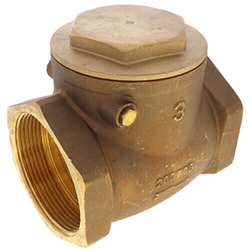
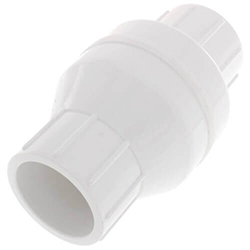
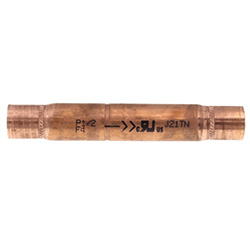
You don't have to keep checking your system once these valves are in place! A check valve, also known as a one-way valve or non-return valve, only allows liquid or gas to flow in one direction. These automated valves prevent backflow – and wasted time. From spring-loaded to swing to PVC check valves, these do all the work for you.


Resources
FAQs, Manuals & Videos

Articles
More About Check Valves
What does a check valve do?
Check valves prevent backflow, meaning they also prevent contamination and maintain pressure within the system. Check valves automatically open with forward flow and close against reverse flow, like those spike strips at car rental places. They’re completely independent, working without the need for manual operation or electricity.
How does a check valve work?
Inside the valve, there is a mechanism — usually a ball, disc, or swing — that reacts to the flow of fluid. When fluid flows in the correct direction, it moves this mechanism off its seat, allowing flow. When fluid attempts to flow back, the mechanism returns to its seat, blocking the flow.
What is a check valve used for?
Check valves prevent contamination in water and wastewater systems, keep the flow of fuel consistent in hydraulic systems, and maintain pressure in air compressors.
What’s the difference between a spring check valve and a swing check valve?
They’re both designed to regulate flow throughout a system, but a spring check valve is used for controlling the rate of flow whereas a swing check valve is used for controlling the direction of flow.
Spring check valves open and close based on the pressure settings. The tension of the spring can be adjusted to change the pressure at which the valve opens or closes. When the pressure in the system exceeds the set point, the valve opens. When the pressure drops below the set point, the spring forces the valve to close.
A swing check valve on the other hand, is designed to allow flow in only one direction and prevent backflow. Some swing check valves use a ball that is pushed against a seat to close, while others use a flap or a disc. Spring-loaded check valves use a spring to help close the valve, but they’re still mainly used for making sure fluid moves in one direction.
Check valves prevent backflow, meaning they also prevent contamination and maintain pressure within the system. Check valves automatically open with forward flow and close against reverse flow, like those spike strips at car rental places. They’re completely independent, working without the need for manual operation or electricity.
How does a check valve work?
Inside the valve, there is a mechanism — usually a ball, disc, or swing — that reacts to the flow of fluid. When fluid flows in the correct direction, it moves this mechanism off its seat, allowing flow. When fluid attempts to flow back, the mechanism returns to its seat, blocking the flow.
What is a check valve used for?
Check valves prevent contamination in water and wastewater systems, keep the flow of fuel consistent in hydraulic systems, and maintain pressure in air compressors.
What’s the difference between a spring check valve and a swing check valve?
They’re both designed to regulate flow throughout a system, but a spring check valve is used for controlling the rate of flow whereas a swing check valve is used for controlling the direction of flow.
Spring check valves open and close based on the pressure settings. The tension of the spring can be adjusted to change the pressure at which the valve opens or closes. When the pressure in the system exceeds the set point, the valve opens. When the pressure drops below the set point, the spring forces the valve to close.
A swing check valve on the other hand, is designed to allow flow in only one direction and prevent backflow. Some swing check valves use a ball that is pushed against a seat to close, while others use a flap or a disc. Spring-loaded check valves use a spring to help close the valve, but they’re still mainly used for making sure fluid moves in one direction.
Resources
More About Check Valves
What does a check valve do?
Check valves prevent backflow, meaning they also prevent contamination and maintain pressure within the system. Check valves automatically open with forward flow and close against reverse flow, like those spike strips at car rental places. They’re completely independent, working without the need for manual operation or electricity.
How does a check valve work?
Inside the valve, there is a mechanism — usually a ball, disc, or swing — that reacts to the flow of fluid. When fluid flows in the correct direction, it moves this mechanism off its seat, allowing flow. When fluid attempts to flow back, the mechanism returns to its seat, blocking the flow.
What is a check valve used for?
Check valves prevent contamination in water and wastewater systems, keep the flow of fuel consistent in hydraulic systems, and maintain pressure in air compressors.
What’s the difference between a spring check valve and a swing check valve?
They’re both designed to regulate flow throughout a system, but a spring check valve is used for controlling the rate of flow whereas a swing check valve is used for controlling the direction of flow.
Spring check valves open and close based on the pressure settings. The tension of the spring can be adjusted to change the pressure at which the valve opens or closes. When the pressure in the system exceeds the set point, the valve opens. When the pressure drops below the set point, the spring forces the valve to close.
A swing check valve on the other hand, is designed to allow flow in only one direction and prevent backflow. Some swing check valves use a ball that is pushed against a seat to close, while others use a flap or a disc. Spring-loaded check valves use a spring to help close the valve, but they’re still mainly used for making sure fluid moves in one direction.
Check valves prevent backflow, meaning they also prevent contamination and maintain pressure within the system. Check valves automatically open with forward flow and close against reverse flow, like those spike strips at car rental places. They’re completely independent, working without the need for manual operation or electricity.
How does a check valve work?
Inside the valve, there is a mechanism — usually a ball, disc, or swing — that reacts to the flow of fluid. When fluid flows in the correct direction, it moves this mechanism off its seat, allowing flow. When fluid attempts to flow back, the mechanism returns to its seat, blocking the flow.
What is a check valve used for?
Check valves prevent contamination in water and wastewater systems, keep the flow of fuel consistent in hydraulic systems, and maintain pressure in air compressors.
What’s the difference between a spring check valve and a swing check valve?
They’re both designed to regulate flow throughout a system, but a spring check valve is used for controlling the rate of flow whereas a swing check valve is used for controlling the direction of flow.
Spring check valves open and close based on the pressure settings. The tension of the spring can be adjusted to change the pressure at which the valve opens or closes. When the pressure in the system exceeds the set point, the valve opens. When the pressure drops below the set point, the spring forces the valve to close.
A swing check valve on the other hand, is designed to allow flow in only one direction and prevent backflow. Some swing check valves use a ball that is pushed against a seat to close, while others use a flap or a disc. Spring-loaded check valves use a spring to help close the valve, but they’re still mainly used for making sure fluid moves in one direction.