




Classified Replacement Circuit Breakers

 --%3E %3Csvg version='1.1' id='No-RB' xmlns='http://www.w3.org/2000/svg' xmlns:xlink='http://www.w3.org/1999/xlink' x='0px' y='0px' viewBox='0 0 100 100' enable-background='new 0 0 100 100' xml:space='preserve'%3E %3Cpath fill='%23CECECE' d='M79.44,0.95H20.56C9.78,0.95,0.95,9.78,0.95,20.56v58.87c0,10.79,8.82,19.61,19.61,19.61h58.87 c10.79,0,19.61-8.83,19.61-19.61V20.56C99.05,9.78,90.22,0.95,79.44,0.95z M65.38,58.24l9.38,29.58L49.69,69.78L24.5,87.82 l9.34-29.6L8.8,39.6l30.73-0.17c0,0,6.98-19.61,10-28.93c0.54,1.36,9.88,29.1,9.88,29.1H91.2L65.38,58.24z'/%3E %3C/svg%3E)

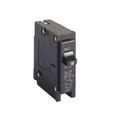
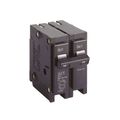
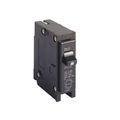
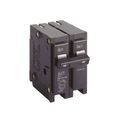
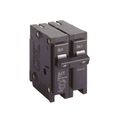

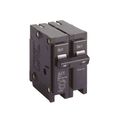
Classified Replacement Circuit Breakers are UL Classified breakers designed and tested to fit panels originally built by a different manufacturer, giving electricians a documented, code-compliant option when an exact factory-brand breaker isn't available. These breakers are tested for mechanical and electrical interchangeability with panels from brands including General Electric, Siemens/ITE, Square D, Murray, Crouse-Hinds, and Thomas & Betts. Common configurations include 3/4" Type CHQ and 1" Type CL, in single- and two-pole versions with thermal magnetic, ground fault, or arc fault protection depending on the model. Because the UL Classified listing covers the specific panel it's rated for, electricians can install one with confidence it meets safety and code requirements rather than guessing at a generic substitute. That listing matters most on older panels or discontinued product lines, where the original manufacturer's breaker may no longer be in production. For service and retrofit work, classified replacement breakers keep a panel operating safely without requiring a full panel swap.
Subcategories
- Type CL Classified Breakers: Type CL breakers use a 1" case width and carry a UL Classified listing for use in Siemens/ITE panels. Electricians use them as a documented replacement option when an original Siemens breaker isn't available. They're offered in single- and two-pole configurations. The classified listing is specific to the panel brand and model, so installers still need to confirm fit before ordering.
- Type CHQ Classified Breakers: Type CHQ breakers use a narrower 3/4" case width, designed to fit panels that accept that thinner form factor. This style is common in residential and light commercial panels where space in the panel is limited. Like Type CL, the classification applies to specific panel brands. Single- and two-pole versions are available.
- Arc Fault and Ground Fault Classified Breakers: These classified breakers add arc fault (AFCI) or ground fault (GFCI) protection on top of standard thermal magnetic protection. Electricians install them where code requires arc fault or ground fault protection on a circuit, such as bedrooms or wet locations, but the panel isn't original-brand stock. The classified listing confirms the added protection functions correctly in the third-party panel.
- Single-Pole and Two-Pole Classified Breakers: Single-pole breakers protect one 120-volt circuit, while two-pole breakers protect a 240-volt circuit or two separate circuits sharing a handle tie. Electricians select pole count based on the circuit being served, matching amperage and interrupting rating to the original breaker being replaced. Classified versions of both configurations are available across the CL and CHQ case styles.
Buying Guide
Confirm the panel brand and model first, since a Classified Replacement Circuit Breaker is only safe to install when it carries a UL Classified listing specifically for that panel; a breaker classified for one brand's enclosure isn't automatically safe in another. Match the case style next, either the 1" Type CL or the 3/4" Type CHQ, since panels are built around a specific breaker width and the wrong case won't seat correctly in the bus. Verify amperage, pole count, and any additional protection type, such as arc fault or ground fault, against the breaker being replaced or the circuit's code requirement. Never substitute a breaker from a brand that doesn't carry a classified listing for that panel, even if it appears to fit physically, since GE and Square D breakers do not carry classified listings for Siemens enclosures and installing one anyway creates a safety and code violation. Classified Replacement Circuit Breakers exist precisely to close that gap with a tested, documented alternative rather than an unverified substitute. Check the interrupting rating (AIC) matches or exceeds the panel's requirement, since this rating affects the breaker's ability to safely clear a fault. When in doubt about a specific panel's compatibility chart, verify with the breaker manufacturer's documentation before ordering, since installing an unlisted combination can void inspection approval and create a safety hazard.
Frequently Asked Questions
What does a UL Classified circuit breaker mean?
A UL Classified circuit breaker has been independently tested and listed for use in a specific panel brand other than its own manufacturer. The classification confirms mechanical and electrical compatibility, making it a documented, code-compliant substitute when the original brand's breaker isn't available.
Can any brand of breaker be installed in any panel?
No. Breakers must carry a UL Classified listing for the specific panel brand and model to be a safe, code-compliant substitute. Some brand combinations, such as GE or Square D breakers in Siemens panels, don't carry a classified listing and shouldn't be used.
What's the difference between Type CL and Type CHQ breakers?
Type CL uses a 1" case width while Type CHQ uses a narrower 3/4" case width, matching the space available in different panel designs. Electricians choose based on which case style the panel's bus and breaker slots are built to accept.
Are classified replacement breakers available with arc fault or ground fault protection?
Yes. Classified replacement breakers are offered with arc fault (AFCI), ground fault (GFCI), and standard thermal magnetic protection. Selecting the right protection type keeps the circuit compliant with code requirements that apply to specific rooms or locations.
Why use a classified replacement breaker instead of the original brand?
Classified replacement breakers give electricians a tested, listed option when the panel's original brand breaker is discontinued or unavailable. Installing the classified version instead of an unlisted substitute keeps the repair safe and inspection-ready.
