




Filters
SORT
Product Availability –
Product Type –
Brand –
Review Score –
 --%3E %3Csvg version='1.1' id='Fill' xmlns='http://www.w3.org/2000/svg' xmlns:xlink='http://www.w3.org/1999/xlink' x='0px' y='0px' viewBox='0 0 100 100' enable-background='new 0 0 100 100' xml:space='preserve'%3E %3Cpath fill='%23F15C02' d='M79.44,0.95H20.56C9.78,0.95,0.95,9.78,0.95,20.56v58.87c0,10.79,8.82,19.61,19.61,19.61h58.87 c10.79,0,19.61-8.83,19.61-19.61V20.56C99.05,9.78,90.22,0.95,79.44,0.95z M65.38,58.24l9.38,29.58L49.69,69.78L24.5,87.82 l9.34-29.6L8.8,39.6l30.73-0.17c0,0,6.98-19.61,10-28.93c0.54,1.36,9.88,29.1,9.88,29.1H91.2L65.38,58.24z'/%3E %3C/svg%3E)
 --%3E %3Csvg version='1.1' id='With-RB' xmlns='http://www.w3.org/2000/svg' xmlns:xlink='http://www.w3.org/1999/xlink' x='0px' y='0px' viewBox='0 0 100 100' enable-background='new 0 0 100 100' xml:space='preserve'%3E %3Cpath fill='%23FBC8B4' d='M79.44,0.95H20.56C9.78,0.95,0.95,9.78,0.95,20.56v58.87c0,10.79,8.82,19.61,19.61,19.61h58.87 c10.79,0,19.61-8.83,19.61-19.61V20.56C99.05,9.78,90.22,0.95,79.44,0.95z M65.38,58.24l9.38,29.58L49.69,69.78L24.5,87.82 l9.34-29.6L8.8,39.6l30.73-0.17c0,0,6.98-19.61,10-28.93c0.54,1.36,9.88,29.1,9.88,29.1H91.2L65.38,58.24z'/%3E %3C/svg%3E)
Price Range –
Condensor Fin Brushes




 --%3E %3Csvg version='1.1' id='No-RB' xmlns='http://www.w3.org/2000/svg' xmlns:xlink='http://www.w3.org/1999/xlink' x='0px' y='0px' viewBox='0 0 100 100' enable-background='new 0 0 100 100' xml:space='preserve'%3E %3Cpath fill='%23CECECE' d='M79.44,0.95H20.56C9.78,0.95,0.95,9.78,0.95,20.56v58.87c0,10.79,8.82,19.61,19.61,19.61h58.87 c10.79,0,19.61-8.83,19.61-19.61V20.56C99.05,9.78,90.22,0.95,79.44,0.95z M65.38,58.24l9.38,29.58L49.69,69.78L24.5,87.82 l9.34-29.6L8.8,39.6l30.73-0.17c0,0,6.98-19.61,10-28.93c0.54,1.36,9.88,29.1,9.88,29.1H91.2L65.38,58.24z'/%3E %3C/svg%3E)
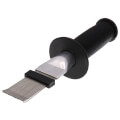
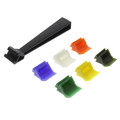
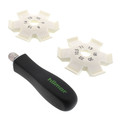
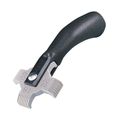
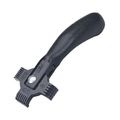

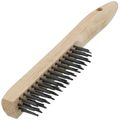
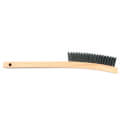


Condensor Fin Brushes are cleaning and straightening tools built to clear debris from between the thin aluminum fins on an outdoor condensing unit without bending or crushing them. Dust, pollen, grass clippings, and pet hair pack into the narrow spaces between fins over a cooling season, restricting airflow and forcing a system to work harder to reject heat. Debris removal and fin straightening call for two different tools: a whisk brush for sweeping dust, pollen, and loose dirt off the coil face, and a comb for walking bent fins back into an upright, open position. Malco's fin straightening tools, sold as the FST and FST2, straighten common fin spacings ranging from 8 to 22 fins per inch using a one-piece nylon comb that will not gouge or scratch the soft aluminum. Technicians reach for a fin brush during routine maintenance calls and before diagnosing a unit for reduced capacity, since restricted airflow across a dirty coil often mimics a refrigerant charge problem. Keeping fins straight and clear protects both system efficiency and the compressor's service life over the long run.
Subcategories
- Standard Fin Combs: Standard fin combs straighten bent aluminum fins spaced at 8, 10, 12, or 14 fins per inch, matching the spacing found on most residential condensing units. A technician drags the nylon comb's teeth along the coil face, walking bent fins back into an upright, open position so air can pass through freely again. Malco's FST tool uses a one-piece nylon design specifically so the comb flexes with the fin instead of gouging the soft aluminum.
- Fine-Pitch Fin Combs: Fine-pitch fin combs handle closely spaced fins at 16, 18, 20, or 22 fins per inch, a spacing more common on commercial and high-efficiency condensing units. The tighter tooth spacing on tools like Malco's FST2 reaches between fins that a standard comb would crush or skip over. Technicians keep both a standard and a fine-pitch comb on the truck since guessing the wrong spacing on a bent coil can do more damage than leaving the fins alone.
- Fin Whisk Brushes: Fin whisk brushes clear packed dust, pollen, and loose debris from the coil face without straightening bent fins, complementing a fin comb rather than replacing it. Diversitech's Fin Whisk Brush is built specifically for sweeping condenser and evaporator fins clean before or after a straightening pass. Technicians typically run a whisk brush first to clear loose debris, then follow with a fin comb to address any fins that got bent in the process.
Buying Guide
Matching fin spacing to the comb is the first step before touching a coil. Most residential condensing units run 8 to 14 fins per inch, which calls for a standard fin comb, while tightly packed commercial or high-efficiency coils often run 16 to 22 fins per inch and need a fine-pitch tool instead. Using the wrong spacing bends fins further or skips over damaged sections entirely, so checking the unit's spec plate or counting a sample section of fins before grabbing a comb saves a callback. Technicians stocking Condensor Fin Brushes typically carry both a standard and a fine-pitch comb, since residential and light commercial service calls can land on either spacing in the same afternoon. Material matters as much as spacing: a one-piece nylon comb flexes with the fin instead of gouging it, unlike stiffer metal tools that can crack a brittle, corroded fin edge. Pairing a fin comb with a whisk brush covers the full maintenance task, since the comb straightens bent fins while the brush clears packed debris and surface dust without scratching the coil. Skipping a fin cleaning and straightening pass during routine maintenance lets restricted airflow build gradually, and a technician diagnosing reduced cooling capacity later may chase a refrigerant charge issue that a five-minute coil cleaning would have ruled out. Building both tools into a standard maintenance kit keeps coil-related capacity complaints out of the callback queue.
Frequently Asked Questions
What fin spacing do most condenser fin combs cover?
Condensor Fin Brushes and combs typically cover 8 to 14 fins per inch for standard residential units, with fine-pitch versions handling 16 to 22 fins per inch on tightly packed commercial coils. Matching the comb to the actual fin count on the unit prevents further bending or skipped sections.
Can a metal comb be used to straighten aluminum condenser fins?
Fin combs built for condenser maintenance typically use a one-piece nylon design instead of metal, since nylon flexes with the soft aluminum fin rather than gouging or cracking it. A stiffer metal tool risks tearing a fin that is already brittle or corroded.
What is the difference between a fin comb and a coil cleaning brush?
A fin comb straightens bent aluminum fins back into an open, upright position so air can pass through the coil freely. A whisk brush instead clears debris, sweeping packed dust, pollen, and loose dirt off the coil face rather than adjusting fin position.
How often should condenser fins be cleaned and straightened?
Condensor Fin Brushes typically come out during routine seasonal maintenance visits, since dust, pollen, and grass clippings pack into fin spacing gradually over a cooling season. Checking fins before diagnosing reduced cooling capacity rules out restricted airflow before chasing a refrigerant charge problem.
Why does a dirty or bent condenser coil reduce cooling capacity?
Packed debris and bent fins restrict airflow across the condensing coil, forcing the system to work harder to reject heat and reducing overall capacity. Running a fin comb and cleaning brush over the coil restores the open fin spacing airflow depends on.
