




Air Conditioner Installation Parts & Accessories
Air Conditioning Installation Parts cover the smaller components that turn a compressor, condenser, and line set into a complete, code-compliant AC system. These include line set protection, condensate handling, mounting hardware, refrigeration fittings, and maintenance tools. None of these parts show up on the equipment spec sheet, but a job is rarely finished correctly without them. Technicians pull from this category on nearly every install, replacement, and repair call regardless of the equipment brand involved.
Because these parts serve support roles rather than the core cooling function, contractors often keep a stock of the most common items on the truck. This avoids special-ordering per job. Match fittings to the refrigerant line size. Match mounting hardware to the equipment's weight and location. Match condensate parts to the drainage setup. This keeps a rough-in from stalling over a missing small part.











Subcategories
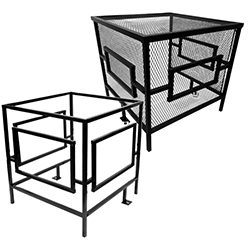
- AC Cages: AC cages protect outdoor condensing units from theft, vandalism, and accidental impact by enclosing the unit in a welded steel frame while still allowing airflow around the coil. Property managers and contractors working in areas with a history of copper theft or units near ground-level foot traffic use them most. A cage sized too tightly against the unit can restrict airflow, so clearance around the coil still needs to match the manufacturer's spec.
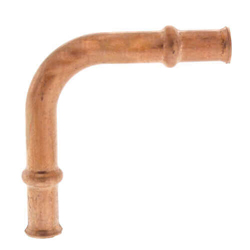
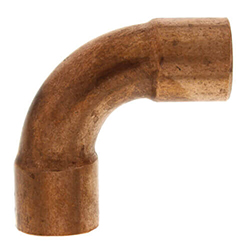
- ACR Copper Fittings: ACR copper fittings are refrigeration-grade fittings manufactured to a tighter cleanliness and dimensional standard than standard plumbing copper fittings. Any contamination in a refrigerant line can damage a compressor. They cover elbows, couplings, tees, and adapters sized to match common line set diameters. HVAC and refrigeration technicians use them specifically for refrigerant line work rather than substituting standard copper fittings.
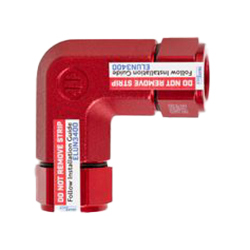
- Cable Hanger System: A cable hanger system suspends refrigerant line sets, condensate lines, or electrical whips from a structural point. It keeps lines organized and off the roof or ceiling surface on commercial rooftop or overhead installations. It reduces the sagging and abrasion that loose lines are prone to over a long run. Commercial and light commercial installers use the systems most on rooftop unit and line set installations.
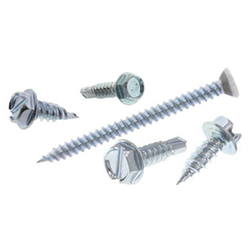
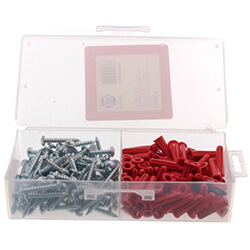
- Concrete Anchors and Screws: Concrete anchors and screws secure equipment pads, disconnect boxes, line set covers, and condensing unit mounting brackets to poured concrete or masonry surfaces. Choosing the correct anchor type and length for the base material and the weight being secured keeps the mounted equipment from working loose over time. Installers keep a range of sizes on hand since pad thickness and mounting bracket hole patterns vary by job.
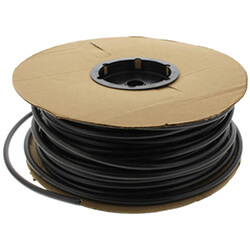
- Condensate Accessories: Condensate accessories, including pumps, switches, tubing, and fittings, manage the water an air conditioning system removes from indoor air during normal operation. A condensate safety switch shuts down the system if the drain line clogs, preventing water damage before a service call catches the blockage.
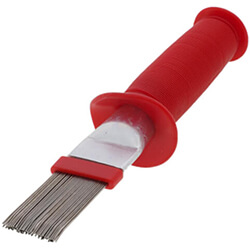
- Condensor Fin Brushes: Condensor fin brushes clean debris and bent fins from a condensing unit's coil during routine maintenance. They restore the airflow and heat transfer efficiency that dirty or crushed fins reduce over time. Technicians use them alongside a fin comb to straighten bent fins without damaging the coil's tubing. Regular coil cleaning with the correct brush extends equipment life and helps maintain rated efficiency.
Buying Guide
Air conditioning installation parts rarely get specified up front the way equipment does. Running short on the right fitting, anchor, or condensate part mid-installation is one of the most common causes of a delayed job.
Refrigerant line accessories, including ACR copper fittings and line set covers, need to match the line set's diameter and the refrigerant type in the system. Mixing standard plumbing fittings into a refrigerant line, even when the size looks correct, risks contamination that a compressor cannot tolerate.
Condensate handling parts matter on indoor coil and air handler installations. A safety switch shuts down the system on a clogged drain line. That protects against the water damage that a slow or blocked condensate line can cause.
Mounting and structural hardware must be rated for the actual weight and exposure of what it secures. Examples include concrete anchors, cable hangers, and equipment cages. A cage or anchor undersized for the unit or the mounting surface can fail well before the equipment it is meant to protect does.
Air Conditioning Installation Parts also cover maintenance items like coil fin brushes and cleaning tools that keep existing systems running efficiently between full service calls. Stocking a basic set of these smaller parts on the truck, rather than special-ordering per job, keeps most installs and service calls moving without a parts-store trip mid-job.
Frequently Asked Questions
Why can't standard copper fittings be used on a refrigerant line?
Standard plumbing fittings are not manufactured or cleaned to the same standard as ACR copper fittings. Residual contamination or moisture inside them can damage a compressor once the system is charged. ACR-rated fittings are cleaned and capped specifically to prevent that contamination.
What does a condensate safety switch do?
A condensate safety switch shuts the system down automatically if the drain line clogs. That prevents the water damage a blocked condensate line can cause. Skipping it risks water damage that a working switch would have prevented.
What determines the correct concrete anchor size for mounting a condensing unit or pad?
The anchor needs to match the base material, whether concrete, masonry, or a composite pad. It also needs to match the total weight of the equipment being secured, including the pad itself if it is not resting freely.
When is an AC cage recommended instead of standard mounting hardware alone?
AC cages are typically added in areas with a history of theft, vandalism, or accidental impact. Examples include ground-level units near public access and commercial properties with limited on-site security. They supplement, rather than replace, standard mounting hardware.
How often should condenser coil fins be cleaned with a fin brush?
Frequency depends on the unit's environment, but coils exposed to dust, cottonwood, or heavy landscaping debris typically need more frequent cleaning than coils in a clean, open location. Reduced airflow or higher operating pressures during a routine check are signs the coil needs attention.
Resources
Subcategories
- AC Cages: AC cages protect outdoor condensing units from theft, vandalism, and accidental impact by enclosing the unit in a welded steel frame while still allowing airflow around the coil. Property managers and contractors working in areas with a history of copper theft or units near ground-level foot traffic use them most. A cage sized too tightly against the unit can restrict airflow, so clearance around the coil still needs to match the manufacturer's spec.
- ACR Copper Fittings: ACR copper fittings are refrigeration-grade fittings manufactured to a tighter cleanliness and dimensional standard than standard plumbing copper fittings. Any contamination in a refrigerant line can damage a compressor. They cover elbows, couplings, tees, and adapters sized to match common line set diameters. HVAC and refrigeration technicians use them specifically for refrigerant line work rather than substituting standard copper fittings.
- Cable Hanger System: A cable hanger system suspends refrigerant line sets, condensate lines, or electrical whips from a structural point. It keeps lines organized and off the roof or ceiling surface on commercial rooftop or overhead installations. It reduces the sagging and abrasion that loose lines are prone to over a long run. Commercial and light commercial installers use the systems most on rooftop unit and line set installations.
- Concrete Anchors and Screws: Concrete anchors and screws secure equipment pads, disconnect boxes, line set covers, and condensing unit mounting brackets to poured concrete or masonry surfaces. Choosing the correct anchor type and length for the base material and the weight being secured keeps the mounted equipment from working loose over time. Installers keep a range of sizes on hand since pad thickness and mounting bracket hole patterns vary by job.
- Condensate Accessories: Condensate accessories, including pumps, switches, tubing, and fittings, manage the water an air conditioning system removes from indoor air during normal operation. A condensate safety switch shuts down the system if the drain line clogs, preventing water damage before a service call catches the blockage.
- Condensor Fin Brushes: Condensor fin brushes clean debris and bent fins from a condensing unit's coil during routine maintenance. They restore the airflow and heat transfer efficiency that dirty or crushed fins reduce over time. Technicians use them alongside a fin comb to straighten bent fins without damaging the coil's tubing. Regular coil cleaning with the correct brush extends equipment life and helps maintain rated efficiency.
Buying Guide
Air conditioning installation parts rarely get specified up front the way equipment does. Running short on the right fitting, anchor, or condensate part mid-installation is one of the most common causes of a delayed job.
Refrigerant line accessories, including ACR copper fittings and line set covers, need to match the line set's diameter and the refrigerant type in the system. Mixing standard plumbing fittings into a refrigerant line, even when the size looks correct, risks contamination that a compressor cannot tolerate.
Condensate handling parts matter on indoor coil and air handler installations. A safety switch shuts down the system on a clogged drain line. That protects against the water damage that a slow or blocked condensate line can cause.
Mounting and structural hardware must be rated for the actual weight and exposure of what it secures. Examples include concrete anchors, cable hangers, and equipment cages. A cage or anchor undersized for the unit or the mounting surface can fail well before the equipment it is meant to protect does.
Air Conditioning Installation Parts also cover maintenance items like coil fin brushes and cleaning tools that keep existing systems running efficiently between full service calls. Stocking a basic set of these smaller parts on the truck, rather than special-ordering per job, keeps most installs and service calls moving without a parts-store trip mid-job.
Frequently Asked Questions
Why can't standard copper fittings be used on a refrigerant line?
Standard plumbing fittings are not manufactured or cleaned to the same standard as ACR copper fittings. Residual contamination or moisture inside them can damage a compressor once the system is charged. ACR-rated fittings are cleaned and capped specifically to prevent that contamination.
What does a condensate safety switch do?
A condensate safety switch shuts the system down automatically if the drain line clogs. That prevents the water damage a blocked condensate line can cause. Skipping it risks water damage that a working switch would have prevented.
What determines the correct concrete anchor size for mounting a condensing unit or pad?
The anchor needs to match the base material, whether concrete, masonry, or a composite pad. It also needs to match the total weight of the equipment being secured, including the pad itself if it is not resting freely.
When is an AC cage recommended instead of standard mounting hardware alone?
AC cages are typically added in areas with a history of theft, vandalism, or accidental impact. Examples include ground-level units near public access and commercial properties with limited on-site security. They supplement, rather than replace, standard mounting hardware.
How often should condenser coil fins be cleaned with a fin brush?
Frequency depends on the unit's environment, but coils exposed to dust, cottonwood, or heavy landscaping debris typically need more frequent cleaning than coils in a clean, open location. Reduced airflow or higher operating pressures during a routine check are signs the coil needs attention.