




Copper Pipe

 --%3E %3Csvg version='1.1' id='Fill' xmlns='http://www.w3.org/2000/svg' xmlns:xlink='http://www.w3.org/1999/xlink' x='0px' y='0px' viewBox='0 0 100 100' enable-background='new 0 0 100 100' xml:space='preserve'%3E %3Cpath fill='%23F15C02' d='M79.44,0.95H20.56C9.78,0.95,0.95,9.78,0.95,20.56v58.87c0,10.79,8.82,19.61,19.61,19.61h58.87 c10.79,0,19.61-8.83,19.61-19.61V20.56C99.05,9.78,90.22,0.95,79.44,0.95z M65.38,58.24l9.38,29.58L49.69,69.78L24.5,87.82 l9.34-29.6L8.8,39.6l30.73-0.17c0,0,6.98-19.61,10-28.93c0.54,1.36,9.88,29.1,9.88,29.1H91.2L65.38,58.24z'/%3E %3C/svg%3E)
 --%3E %3Csvg version='1.1' id='Half' xmlns='http://www.w3.org/2000/svg' xmlns:xlink='http://www.w3.org/1999/xlink' x='0px' y='0px' viewBox='0 0 100 100' enable-background='new 0 0 100 100' xml:space='preserve'%3E %3Cg%3E %3Cpath fill='%23F15C02' d='M30.05,70.23l3.79-12.01L8.8,39.6l30.73-0.17c0,0,6.98-19.61,10-28.93c0.54,1.36,9.88,29.1,9.88,29.1h1.58 L93.71,7.18c-3.58-3.82-8.66-6.23-14.28-6.23H20.56C9.78,0.95,0.95,9.78,0.95,20.56v58.87c0,5.41,2.22,10.32,5.79,13.88 L30.05,70.23z'/%3E %3C/g%3E %3Cpath fill='%23FBC8B4' d='M93.71,7.18L60.98,39.6H91.2L65.38,58.24l9.38,29.58L49.69,69.78L24.5,87.82l5.55-17.59L6.75,93.32 c3.55,3.54,8.44,5.73,13.82,5.73h58.87c10.79,0,19.61-8.83,19.61-19.61V20.56C99.05,15.4,97.01,10.69,93.71,7.18z'/%3E %3C/svg%3E)
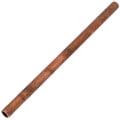
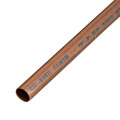
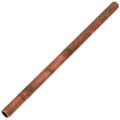

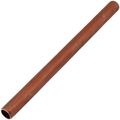

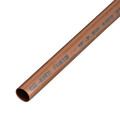
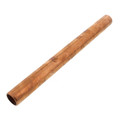
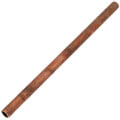
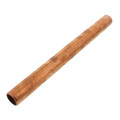
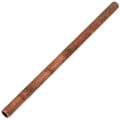
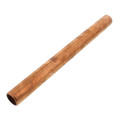
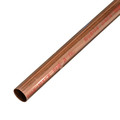
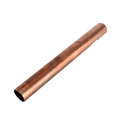


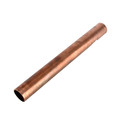
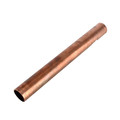

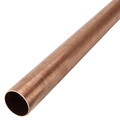
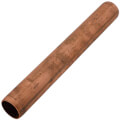
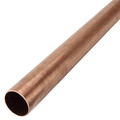
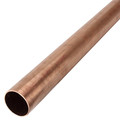
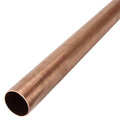
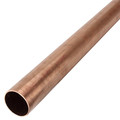
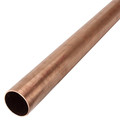
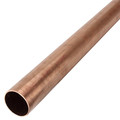
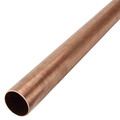
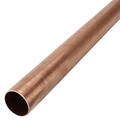
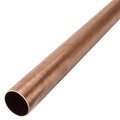
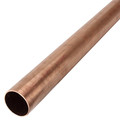
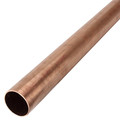
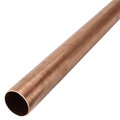

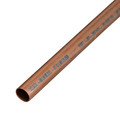
Copper straight pipe is rigid copper tubing sold in uncoiled lengths for plumbing, heating, and mechanical piping runs where a rigid, soldered or brazed connection outperforms a flexible line. Plumbers and HVAC technicians use straight lengths on exposed runs, mechanical rooms, and any application where the pipe needs to hold its shape without support brackets spaced as closely as a coil would require. Copper tube is classified into wall thickness types, with the thinner wall generally reserved for water distribution inside a building and the thicker wall used on underground or higher pressure applications. A straight length also solders more predictably than a coil that has been unrolled, since a coil can retain some curvature that makes it harder to seat evenly in a fitting. Choosing the correct type and diameter before a job starts avoids running short mid-installation, since copper pipe is typically sold in fixed lengths rather than cut to order.
Subcategories
- Type L Copper Pipe: Type L copper pipe is the wall thickness most commonly specified for plumbing and heating water lines inside residential and commercial buildings, since it balances pressure rating with manageable weight and cost. Plumbers rely on Type L for hot and cold water distribution, as well as hydronic heating loops, where the pipe needs to handle typical building water pressure without the extra wall thickness of a heavier grade. Because Type L is the most widely stocked grade, contractors often default to it unless a project specification calls for something heavier. Soldering technique matters as much as pipe selection, since an improperly heated joint can fail regardless of the wall thickness used.
- Type M Copper Pipe: Type M copper pipe has a thinner wall than Type L and is generally used on above ground, low pressure applications such as drain lines or short branch runs where code allows the lighter grade. Some jurisdictions restrict Type M to specific uses or exclude it entirely, so confirming local code before specifying this grade on a job avoids a failed inspection. Contractors sometimes choose Type M to reduce material cost on runs where the pressure rating of Type L is not required. The thinner wall also makes Type M pipe lighter to handle on long horizontal runs.
- Type K Copper Pipe: Type K copper pipe has the thickest wall of the common straight pipe grades and is typically specified for underground service lines and applications where the added durability against corrosion and physical damage matters more than material cost. Utility water service entrances and some fire protection systems call for Type K specifically because of its pressure rating and wall thickness. Contractors installing an underground water service typically favor Type K over lighter grades even where code would technically allow a thinner wall, since repairing a buried line later is far more disruptive than the added material cost upfront. Type K is generally sold in longer lengths to reduce the number of underground joints on a service run.
Buying Guide
Selecting the right copper straight pipe starts with matching the wall thickness type to the application rather than defaulting to whatever is on the shelf. Type L covers most interior plumbing and heating work, Type M suits lighter above ground applications where local code allows it, and Type K is the standard choice for underground service lines and situations where added wall thickness protects against corrosion and physical damage over time. Diameter selection follows a similar logic, since a pipe sized too small for its fixture count restricts flow and pressure, while oversizing adds unnecessary material cost to a job. Straight lengths, as opposed to coiled tubing, work best on runs that are mostly exposed or run in a straight line with defined support points, since a coil retains a slight curve that a straight length does not have to overcome. Local plumbing and mechanical codes often dictate which type is acceptable for a given application, and those requirements vary enough between jurisdictions that a contractor working across multiple areas should confirm current code before ordering rather than assuming the same grade applies everywhere. Soldering quality affects the finished joint's reliability at least as much as pipe selection does, since an underheated or contaminated joint can leak regardless of wall thickness. Buying Copper Straight Pipe from a supplier that stores it properly, away from moisture and physical damage, helps avoid starting a job with pipe that already has surface corrosion.
Frequently Asked Questions
What is the difference between Type K, Type L, and Type M copper pipe?
The three types differ mainly in wall thickness, with Type K being the thickest and most durable, Type L a middle grade suited to most interior plumbing and heating, and Type M the thinnest and generally limited to specific above ground, low pressure uses. Local code determines which types are permitted for a given application.
Can Type M copper pipe be used for a main water service line?
Type M is not typically approved for underground main water service lines because of its thinner wall and lower pressure rating. Type K is the standard choice for that application in most jurisdictions.
Why choose straight pipe instead of coiled copper tubing?
Straight lengths hold their shape without the residual curve a coil retains after being unrolled, which makes them easier to fit evenly into fittings on runs with defined support points. Coiled tubing is generally better suited to runs that need to bend around obstacles without additional fittings.
What causes a soldered copper joint to fail?
An underheated joint, a contaminated surface, or insufficient flux are the most common causes of a failed solder joint, and any of these can lead to a leak regardless of which pipe type was used. Proper joint preparation matters as much as heating technique.
Does copper pipe need to be stored differently than other pipe materials?
Copper pipe should be kept dry and away from contact with dissimilar metals or corrosive materials, since prolonged exposure to moisture or certain chemicals can start surface corrosion before the pipe is even installed. Proper storage on a job site protects the pipe until it is ready to use.
