



Filters
SORT
Product Availability –
Size –
Review Score –
 --%3E %3Csvg version='1.1' id='Fill' xmlns='http://www.w3.org/2000/svg' xmlns:xlink='http://www.w3.org/1999/xlink' x='0px' y='0px' viewBox='0 0 100 100' enable-background='new 0 0 100 100' xml:space='preserve'%3E %3Cpath fill='%23F15C02' d='M79.44,0.95H20.56C9.78,0.95,0.95,9.78,0.95,20.56v58.87c0,10.79,8.82,19.61,19.61,19.61h58.87 c10.79,0,19.61-8.83,19.61-19.61V20.56C99.05,9.78,90.22,0.95,79.44,0.95z M65.38,58.24l9.38,29.58L49.69,69.78L24.5,87.82 l9.34-29.6L8.8,39.6l30.73-0.17c0,0,6.98-19.61,10-28.93c0.54,1.36,9.88,29.1,9.88,29.1H91.2L65.38,58.24z'/%3E %3C/svg%3E)
Price Range –
Copper Return Bends

 --%3E %3Csvg version='1.1' id='Half' xmlns='http://www.w3.org/2000/svg' xmlns:xlink='http://www.w3.org/1999/xlink' x='0px' y='0px' viewBox='0 0 100 100' enable-background='new 0 0 100 100' xml:space='preserve'%3E %3Cg%3E %3Cpath fill='%23F15C02' d='M30.05,70.23l3.79-12.01L8.8,39.6l30.73-0.17c0,0,6.98-19.61,10-28.93c0.54,1.36,9.88,29.1,9.88,29.1h1.58 L93.71,7.18c-3.58-3.82-8.66-6.23-14.28-6.23H20.56C9.78,0.95,0.95,9.78,0.95,20.56v58.87c0,5.41,2.22,10.32,5.79,13.88 L30.05,70.23z'/%3E %3C/g%3E %3Cpath fill='%23FBC8B4' d='M93.71,7.18L60.98,39.6H91.2L65.38,58.24l9.38,29.58L49.69,69.78L24.5,87.82l5.55-17.59L6.75,93.32 c3.55,3.54,8.44,5.73,13.82,5.73h58.87c10.79,0,19.61-8.83,19.61-19.61V20.56C99.05,15.4,97.01,10.69,93.71,7.18z'/%3E %3C/svg%3E)

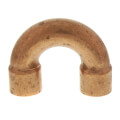
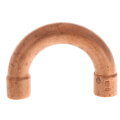
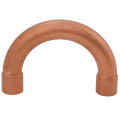
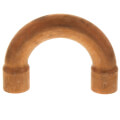
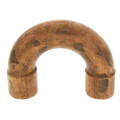
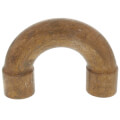
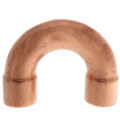

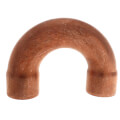

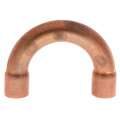

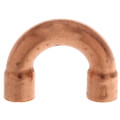
Copper return bends are U-shaped copper fittings that redirect refrigerant or water flow 180 degrees inside coil assemblies, condensing units, and hydronic piping runs. Installers solder a return bend between two straight lengths of copper tube to complete a hairpin turn without cutting and re-forming the tubing on site, which keeps wall thickness and roundness consistent through the bend. Return bends come in short-radius and long-radius patterns, and choosing the right radius affects how much clearance the fitting needs inside a coil cabinet or equipment housing. Wall thickness on a return bend needs to match the connecting tube's rated pressure, particularly on refrigeration circuits carrying high-pressure refrigerants, since an undersized bend becomes the weak point in an otherwise properly rated line set. Getting radius and tube size right the first time avoids reworking a coil assembly after it's already been brazed into place.
Subcategories
- Short Radius Return Bends: Short radius return bends complete a 180-degree turn in the tightest available space, making them the standard choice inside factory-built coil assemblies where cabinet depth is limited. Coil manufacturers use short radius bends almost exclusively on evaporator and condenser coils to keep the finished coil compact. Field techs replacing a damaged coil section match the original short radius pattern to keep the repair from adding bulk to the cabinet.
- Long Radius Return Bends: Long radius return bends use a gentler curve that reduces resistance to refrigerant or water flow compared to a short radius bend of the same tube size. Custom coil fabricators and larger commercial equipment builders favor long radius bends when pressure drop across the coil matters more than cabinet depth. The wider bend radius also makes long radius fittings easier to braze cleanly in tight field conditions.
- Refrigeration-Grade Return Bends: Refrigeration-grade return bends are cleaned and capped at the factory to keep the copper free of oxidation and debris before a technician braces the joint, which protects refrigerant purity inside a sealed system. HVAC and refrigeration contractors specify this grade whenever the bend goes into a compressor circuit rather than a plain water line. Keeping the fitting capped until installation avoids introducing moisture or particulate into the refrigerant circuit during a brazing repair.
- Bulk and Multi-Pack Return Bends: Bulk and multi-pack return bends bundle common sizes together for shops that run through large volumes of the same fitting on coil manufacturing or repeat repair work. Buying in bulk cuts down on how often a shop has to reorder the same size, which matters most for high-turnover sizes used across multiple equipment lines. Contractors doing volume coil repair work typically keep bulk packs of the most common sizes on hand.
Buying Guide
Selecting a copper return bend starts with matching the outside diameter to the tube it will join, since even a slight mismatch prevents a clean solder or braze joint from forming around the full circumference. Wall thickness needs to match the application too: refrigeration circuits carrying high-pressure refrigerants call for a heavier wall than a low-pressure water line of the same diameter.
Radius comes next. Short radius bends fit inside the tight cabinet space of a factory coil, while long radius bends reduce flow resistance and suit custom fabrication where pressure drop across the bend matters more than compactness. Confirming which radius the existing coil or piping run uses before ordering a replacement avoids a bend that will not physically fit into the available space.
For Copper Return Bends specifically, checking whether the application is refrigerant or water service determines whether a refrigeration-grade, factory-capped fitting is worth the extra cost over a standard plumbing-grade bend. Refrigeration-grade fittings stay cleaner until the moment of installation, which protects the sealed system from contamination during the brazing process. Shops doing regular coil manufacturing or repair work typically stock bulk quantities of their most common sizes rather than ordering individual fittings each time a job comes up, which keeps a repair or fabrication run moving without a parts delay.
Frequently Asked Questions
What's the difference between a short radius and long radius return bend?
A short radius bend completes the 180-degree turn in less linear space, which is why factory coil assemblies almost always use short radius fittings. A long radius bend uses a wider curve that reduces resistance to flow, making it the better choice in custom fabrication where pressure drop across the bend matters more than compactness.
Does a return bend for a refrigerant line need different wall thickness than one for a water line?
Yes, refrigeration circuits carrying pressurized refrigerant typically call for a heavier wall thickness than a comparable water line fitting of the same diameter. Matching wall thickness to the system's operating pressure keeps the return bend from becoming the weak point in an otherwise properly rated line.
Why are refrigeration-grade return bends capped at the ends?
Factory caps keep the inside of the fitting free of oxidation, moisture, and debris until the moment it's brazed into a sealed refrigerant circuit. Leaving the caps on until installation protects refrigerant purity, since contamination inside a sealed system is difficult and costly to flush out later.
Can a return bend be reused after removing it from an old coil?
Reusing a return bend is not standard practice once the original joint has been unsoldered or unbrazed, since the heat from removal can distort the tube ends and compromise the fitting's roundness. Installing a new return bend when replacing coil sections is the more reliable approach for maintaining a leak-tight joint.
What sizes do copper return bends typically come in?
Return bends are manufactured to match standard copper tube outside diameters used in HVAC and plumbing, so the correct size depends on the tube it connects to rather than a single universal size. Confirming the existing tube's outside diameter before ordering ensures the return bend fits without adapting the joint.
