




Filters
SORT
Product Availability –
Angle –
Gallons Per Hour –
Review Score –
 --%3E %3Csvg version='1.1' id='Fill' xmlns='http://www.w3.org/2000/svg' xmlns:xlink='http://www.w3.org/1999/xlink' x='0px' y='0px' viewBox='0 0 100 100' enable-background='new 0 0 100 100' xml:space='preserve'%3E %3Cpath fill='%23F15C02' d='M79.44,0.95H20.56C9.78,0.95,0.95,9.78,0.95,20.56v58.87c0,10.79,8.82,19.61,19.61,19.61h58.87 c10.79,0,19.61-8.83,19.61-19.61V20.56C99.05,9.78,90.22,0.95,79.44,0.95z M65.38,58.24l9.38,29.58L49.69,69.78L24.5,87.82 l9.34-29.6L8.8,39.6l30.73-0.17c0,0,6.98-19.61,10-28.93c0.54,1.36,9.88,29.1,9.88,29.1H91.2L65.38,58.24z'/%3E %3C/svg%3E)
 --%3E %3Csvg version='1.1' id='With-RB' xmlns='http://www.w3.org/2000/svg' xmlns:xlink='http://www.w3.org/1999/xlink' x='0px' y='0px' viewBox='0 0 100 100' enable-background='new 0 0 100 100' xml:space='preserve'%3E %3Cpath fill='%23FBC8B4' d='M79.44,0.95H20.56C9.78,0.95,0.95,9.78,0.95,20.56v58.87c0,10.79,8.82,19.61,19.61,19.61h58.87 c10.79,0,19.61-8.83,19.61-19.61V20.56C99.05,9.78,90.22,0.95,79.44,0.95z M65.38,58.24l9.38,29.58L49.69,69.78L24.5,87.82 l9.34-29.6L8.8,39.6l30.73-0.17c0,0,6.98-19.61,10-28.93c0.54,1.36,9.88,29.1,9.88,29.1H91.2L65.38,58.24z'/%3E %3C/svg%3E)
Price Range –
Delavan

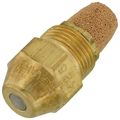

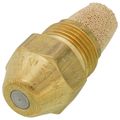
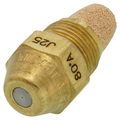
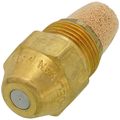
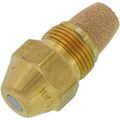
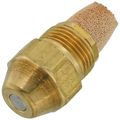
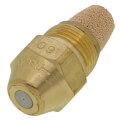
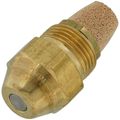
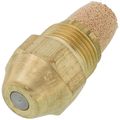
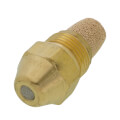
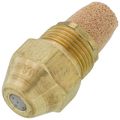
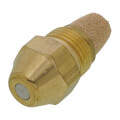
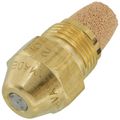
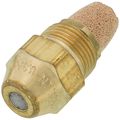
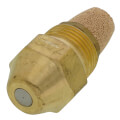

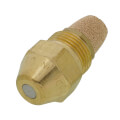
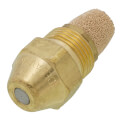
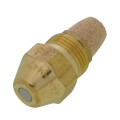
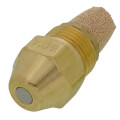
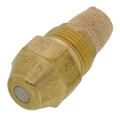
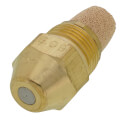
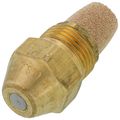
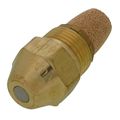
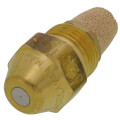
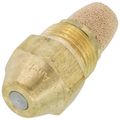
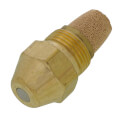
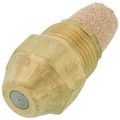
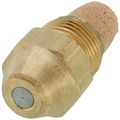
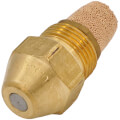
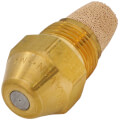
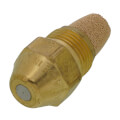
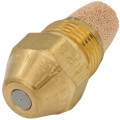
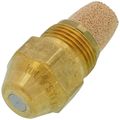
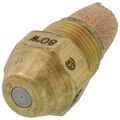
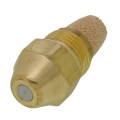
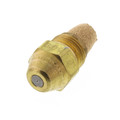
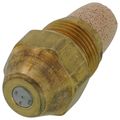
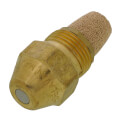
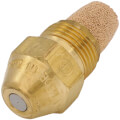
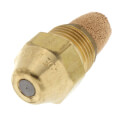
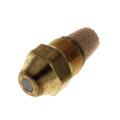
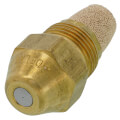
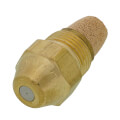

Delavan traces its roots to 1936, when Nelson B. Delavan formed Delavan Engineering before founding Delavan Manufacturing Company in Des Moines, Iowa in 1941 to produce high-precision nozzles for oil burners, agricultural sprayers, and aircraft engine components. Decades of nozzle engineering experience led the company beyond combustion equipment into gas turbine components, industrial spraying, and automotive applications.
Operating today as Delavan, a Beckett Company, the manufacturer runs production facilities in the United States and the United Kingdom and supplies thousands of precision components to processing and manufacturing industries worldwide. Heating contractors and oil burner technicians know Delavan primarily through its combustion nozzle line, the segment that built the company's reputation for consistent spray patterns and dependable fuel atomization.
Product Lines
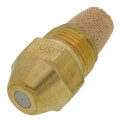
SupplyHouse carries Delavan's residential oil burner nozzle catalog, including Type A Hollow and Type B Solid brass nozzles across spray angles such as 45, 60, 70, and 80 degrees and flow rates ranging from about 0.5 to 5.5 gallons per hour. The lineup also includes Del-O-Flo plug-resistant nozzles, engineered with a wider internal passage to reduce clogging from fuel contaminants and extend the interval between nozzle changes.
Why Contractors Specify Delavan
Oil heat technicians replace nozzles on a predictable schedule, and consistent atomization directly affects combustion efficiency, soot buildup, and callback frequency. Delavan's manufacturing tolerances produce a repeatable spray pattern from nozzle to nozzle, so a technician can swap in a replacement without re-tuning the burner's air-fuel setup from scratch. Decades of production history also mean cross-reference charts and GPH and angle combinations are well documented, simplifying nozzle selection in the field.
How to Choose Delavan Products
Nozzle selection starts with the burner manufacturer's specified flow rate in gallons per hour, spray angle, and pattern type, solid or hollow, all of which appear on the burner's data plate or original nozzle. Solid Type B patterns suit smaller residential burners with shorter flame requirements, while hollow Type A patterns are common on burners needing a wider flame for larger heat output. Technicians servicing units with a history of nozzle clogging or contaminated fuel supply often step up to a Del-O-Flo nozzle in the matching GPH and angle rather than a standard nozzle.
Frequently Asked Questions
What does the GPH rating on a Delavan nozzle mean?
GPH stands for gallons per hour and indicates how much fuel oil the nozzle delivers at the burner's rated pump pressure, a figure that must match the appliance manufacturer's specification for proper firing rate and efficiency.
What is the difference between Type A and Type B Delavan nozzles?
Type A nozzles produce a hollow spray pattern, while Type B nozzles produce a solid pattern; burner manufacturers specify which pattern type a given combustion chamber design requires.
When should a Del-O-Flo nozzle be used instead of a standard nozzle?
Del-O-Flo nozzles work well on systems prone to clogging from fuel contaminants, since their wider internal passage resists debris buildup better than a standard nozzle design.
Does spray angle affect flame shape?
Spray angle determines how wide the fuel mist disperses as it exits the nozzle, and matching the original angle keeps the flame shape compatible with the combustion chamber geometry.
How often should an oil burner nozzle be replaced?
Most oil heat technicians replace the nozzle as part of annual burner service, since wear and mineral deposits gradually distort spray pattern and reduce combustion efficiency.
