



Drop Ear Elbows
Drop ear elbows anchor a fitting directly to a wall or framing member using ears with screw holes, commonly used behind a shower valve or at a hose bib connection where the fitting needs to stay rigid under load. The category covers threaded copper drop ear elbows in 90-degree configurations, along with PEX crimp, PEX press, ProPEX, and push-fit versions built to transition from PEX tubing to a threaded connection. Choosing the right connection type on the PEX side and thread configuration on the fixture side keeps the transition secure.
Because a drop ear elbow gets screwed to a stud or blocking behind the wall, it takes on the mechanical stress of a shower arm or hose bib that a standard elbow fitting is not built to handle. Matching the elbow's outlet thread, male or female, to the fixture being installed avoids needing an extra adapter at the connection.


Subcategories
- 90 Drop Ear Elbows CxC: 90-degree drop ear elbows with CxC connections accept copper pipe on both the inlet and the ear-mounted outlet, soldering into an all-copper rough-in. Contractors use this configuration when the fixture connection itself will also be a copper fitting, such as a threaded copper adapter added separately. Securing the ears to solid blocking before soldering keeps the joint from stressing once the wall is closed up.
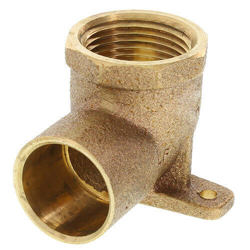
- 90 Drop Ear Elbows CxF: 90-degree drop ear elbows with CxF connections accept copper pipe on the inlet and provide a female threaded outlet at the ear, ready to receive a shower arm or hose bib directly. Contractors reach for this configuration most often behind a shower valve rough-in, where a shower arm threads directly into the fitting. Screwing the ears to blocking securely before soldering the copper side keeps the fitting rigid once the wall covers it.
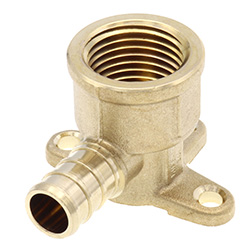
- PEX Crimp Drop Ear Elbows: PEX crimp drop ear elbows transition from PEX tubing to a threaded fixture connection using a copper crimp ring to secure the tubing side. Contractors use this subcategory on rough-in work already using crimp-style PEX connections elsewhere in the system, keeping the connection method consistent throughout the job. Crimping to the correct ring size for the tubing diameter keeps the joint from leaking under water pressure.
- PEX Press Drop Ear Elbows: PEX press drop ear elbows use a press tool and stainless steel ring rather than a crimp ring to secure the PEX tubing side of the connection. Contractors specify this subcategory on jobs standardized around press-fit connections, often to match press fittings used elsewhere on the same system. A press tool sized and jawed for the specific fitting produces a reliable connection.
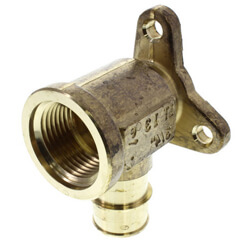
- ProPEX Drop Ear Elbows: ProPEX drop ear elbows use Uponor's cold-expansion connection method on the tubing side, requiring an expander tool and head sized to the tubing diameter rather than a crimp ring or press tool. Contractors use this subcategory on jobs built around the Uponor ProPEX system throughout. Confirming the tubing size against the expander head before making the connection keeps the expansion complete.
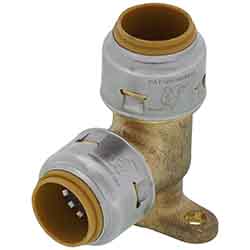
- Sharkbite Drop Ear Elbows: Sharkbite drop ear elbows use a push-fit connection on the tubing side, allowing PEX, copper, or CPVC pipe to connect without soldering, crimping, or a press tool. Contractors reach for this subcategory on repair work or tight spaces where a solder or crimp connection would be difficult to complete. Confirming the pipe is cut square and fully inserted into the fitting keeps the push-fit connection sealed.
Buying Guide
Selecting a drop ear elbow starts with matching the connection type on the tubing or pipe side to what is already installed or planned for the rest of the rough-in. A job standardized on PEX press fittings benefits from staying with press-style drop ear elbows rather than mixing in a crimp or ProPEX connection that would need a different tool on site.
The outlet side, where the fixture connects, needs to match male or female thread as appropriate for the shower arm, hose bib, or other fixture going in. Checking the fixture's own connection before ordering the elbow avoids needing an extra adapter at the wall.
Because the ears carry the mechanical load of the fixture, securing them to solid blocking or framing before completing the tubing connection matters more than with a standard elbow fitting. A drop ear elbow mounted to blocking that later gets removed or shifts can loosen the whole connection over time.
Push-fit versions suit repair work and tight access situations where a torch, crimp tool, or expander cannot easily reach the connection point. New construction rough-in work more commonly uses a soldered, crimped, pressed, or expanded connection matched to the rest of the system for cost and consistency.
Rough-in depth and ear spacing vary slightly between manufacturers, so confirming the specific elbow's dimensions against the wall thickness and fixture's own rough-in requirements before installation keeps the finished fixture sitting at the correct depth once the wall surface goes on.
Frequently Asked Questions
What is a drop ear elbow used for?
A drop ear elbow anchors a fitting directly to a wall stud or blocking using screw holes in its ears, commonly installed behind a shower valve or at a hose bib where the connection needs to resist the mechanical stress of a fixture. The ears keep the fitting rigid in a way a standard elbow cannot.
How do I choose between CxC and CxF drop ear elbows?
A CxF elbow provides a female threaded outlet ready to receive a shower arm or hose bib directly, while a CxC elbow needs an additional threaded adapter to make that same connection. Most shower rough-in work uses the CxF configuration for that reason.
Can a Sharkbite drop ear elbow be used with copper pipe?
Sharkbite drop ear elbows accept PEX, copper, and CPVC pipe on the push-fit side, making them usable across mixed-material repair work without switching fitting types. Confirming the pipe is cut square and fully seated in the fitting keeps the push-fit connection sealed regardless of pipe material.
Why do drop ear elbows need to be screwed to blocking?
Screwing the ears to solid blocking keeps the fitting from shifting when a shower arm or hose bib fixture puts mechanical stress on the connection during use. A fitting that is only soldered or crimped in place without that support can loosen or leak over time.
What is the difference between PEX crimp and ProPEX drop ear elbows?
A PEX crimp elbow secures the tubing with a copper ring compressed by a crimp tool, while a ProPEX elbow uses Uponor's cold-expansion method with an expander tool and head sized to the tubing diameter. The two use different tools and are not interchangeable without switching connection systems.
Resources
Subcategories
- 90 Drop Ear Elbows CxC: 90-degree drop ear elbows with CxC connections accept copper pipe on both the inlet and the ear-mounted outlet, soldering into an all-copper rough-in. Contractors use this configuration when the fixture connection itself will also be a copper fitting, such as a threaded copper adapter added separately. Securing the ears to solid blocking before soldering keeps the joint from stressing once the wall is closed up.
- 90 Drop Ear Elbows CxF: 90-degree drop ear elbows with CxF connections accept copper pipe on the inlet and provide a female threaded outlet at the ear, ready to receive a shower arm or hose bib directly. Contractors reach for this configuration most often behind a shower valve rough-in, where a shower arm threads directly into the fitting. Screwing the ears to blocking securely before soldering the copper side keeps the fitting rigid once the wall covers it.
- PEX Crimp Drop Ear Elbows: PEX crimp drop ear elbows transition from PEX tubing to a threaded fixture connection using a copper crimp ring to secure the tubing side. Contractors use this subcategory on rough-in work already using crimp-style PEX connections elsewhere in the system, keeping the connection method consistent throughout the job. Crimping to the correct ring size for the tubing diameter keeps the joint from leaking under water pressure.
- PEX Press Drop Ear Elbows: PEX press drop ear elbows use a press tool and stainless steel ring rather than a crimp ring to secure the PEX tubing side of the connection. Contractors specify this subcategory on jobs standardized around press-fit connections, often to match press fittings used elsewhere on the same system. A press tool sized and jawed for the specific fitting produces a reliable connection.
- ProPEX Drop Ear Elbows: ProPEX drop ear elbows use Uponor's cold-expansion connection method on the tubing side, requiring an expander tool and head sized to the tubing diameter rather than a crimp ring or press tool. Contractors use this subcategory on jobs built around the Uponor ProPEX system throughout. Confirming the tubing size against the expander head before making the connection keeps the expansion complete.
- Sharkbite Drop Ear Elbows: Sharkbite drop ear elbows use a push-fit connection on the tubing side, allowing PEX, copper, or CPVC pipe to connect without soldering, crimping, or a press tool. Contractors reach for this subcategory on repair work or tight spaces where a solder or crimp connection would be difficult to complete. Confirming the pipe is cut square and fully inserted into the fitting keeps the push-fit connection sealed.
Buying Guide
Selecting a drop ear elbow starts with matching the connection type on the tubing or pipe side to what is already installed or planned for the rest of the rough-in. A job standardized on PEX press fittings benefits from staying with press-style drop ear elbows rather than mixing in a crimp or ProPEX connection that would need a different tool on site.
The outlet side, where the fixture connects, needs to match male or female thread as appropriate for the shower arm, hose bib, or other fixture going in. Checking the fixture's own connection before ordering the elbow avoids needing an extra adapter at the wall.
Because the ears carry the mechanical load of the fixture, securing them to solid blocking or framing before completing the tubing connection matters more than with a standard elbow fitting. A drop ear elbow mounted to blocking that later gets removed or shifts can loosen the whole connection over time.
Push-fit versions suit repair work and tight access situations where a torch, crimp tool, or expander cannot easily reach the connection point. New construction rough-in work more commonly uses a soldered, crimped, pressed, or expanded connection matched to the rest of the system for cost and consistency.
Rough-in depth and ear spacing vary slightly between manufacturers, so confirming the specific elbow's dimensions against the wall thickness and fixture's own rough-in requirements before installation keeps the finished fixture sitting at the correct depth once the wall surface goes on.
Frequently Asked Questions
What is a drop ear elbow used for?
A drop ear elbow anchors a fitting directly to a wall stud or blocking using screw holes in its ears, commonly installed behind a shower valve or at a hose bib where the connection needs to resist the mechanical stress of a fixture. The ears keep the fitting rigid in a way a standard elbow cannot.
How do I choose between CxC and CxF drop ear elbows?
A CxF elbow provides a female threaded outlet ready to receive a shower arm or hose bib directly, while a CxC elbow needs an additional threaded adapter to make that same connection. Most shower rough-in work uses the CxF configuration for that reason.
Can a Sharkbite drop ear elbow be used with copper pipe?
Sharkbite drop ear elbows accept PEX, copper, and CPVC pipe on the push-fit side, making them usable across mixed-material repair work without switching fitting types. Confirming the pipe is cut square and fully seated in the fitting keeps the push-fit connection sealed regardless of pipe material.
Why do drop ear elbows need to be screwed to blocking?
Screwing the ears to solid blocking keeps the fitting from shifting when a shower arm or hose bib fixture puts mechanical stress on the connection during use. A fitting that is only soldered or crimped in place without that support can loosen or leak over time.
What is the difference between PEX crimp and ProPEX drop ear elbows?
A PEX crimp elbow secures the tubing with a copper ring compressed by a crimp tool, while a ProPEX elbow uses Uponor's cold-expansion method with an expander tool and head sized to the tubing diameter. The two use different tools and are not interchangeable without switching connection systems.