




Electrical Bushings & Washers

Electrical Fittings

| PRODUCT | SIZE | SINGLE UNIT | BOX UP & SAVE | STOCK STATUS | LIST | COMPARE |
|---|

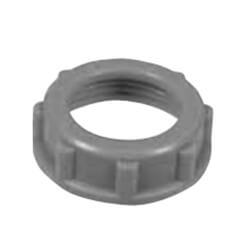
Electrical Bushings & Washers are conduit fittings that protect wire insulation from abrasion where conduit terminates at a box, panel, or enclosure. Insulated plastic bushings thread onto rigid, IMC, or EMT conduit using standard NPT threads and line the conduit's cut edge so pulled wire doesn't rub against bare metal. Many bushings are molded from polypropylene, a thermoplastic chosen for chemical resistance and mechanical strength, while some nylon versions carry a 105 degree Celsius temperature rating for industrial settings. Washers pair with bushings and locknuts to complete a secure, code-compliant termination at each conduit entry point. Electricians who select the right bushing and washer sizes avoid a wire insulation failure that could otherwise trace back to a rough conduit edge months after rough-in.
Subcategories
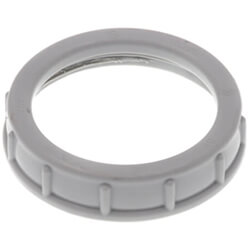
- Insulated Plastic Bushings: Insulated plastic bushings thread directly onto rigid, IMC, or EMT conduit ends using NPT threading, lining the cut edge so pulled conductors don't contact bare metal. Polypropylene construction gives the bushing chemical resistance and mechanical strength for long-term use. Electricians install these at every conduit termination point where conductors enter a box, panel, or enclosure. Threaded design keeps the bushing seated through the wire-pulling process.
- Split Bushings: Split bushings are designed to install around a conductor that's already in place, without needing to feed the bushing over a free wire end first. Contractors use split versions on retrofit and repair work where conduit already has conductors pulled through it. Insulated split bushings protect the conductor at the point where it exits the conduit, same as a solid bushing would. Design is specifically built for conductor protection after the fact.
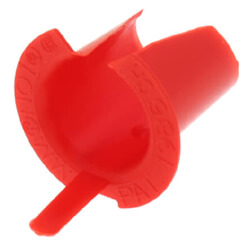
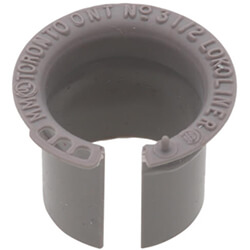
- Anti-Short Bushings for Flex and MC Conduit: Anti-short bushings line the cut edge of flexible or MC (metal-clad) conduit, protecting conductors from the sharp interior edge left after cutting. Electricians install one at every cut end of flex or MC cable before conductors are pulled through or terminated. Bushing type differs from rigid conduit bushings because it addresses the specific cut-edge hazard of armored cable. Missing this bushing is a common code violation on flex and MC installations.
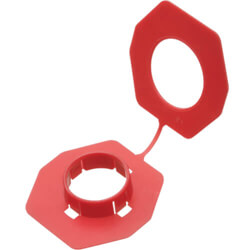
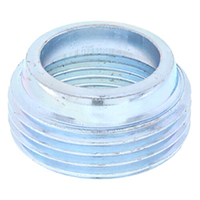
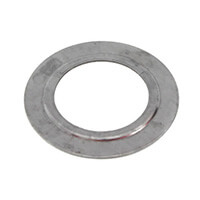
- Locknuts and Washers: Locknuts thread onto the conduit alongside a bushing to clamp the assembly securely to the box or enclosure wall from the inside. Washers add a flat bearing surface between the locknut and the enclosure to distribute clamping pressure evenly. Electricians typically install a locknut on each side of a thin-wall box connection, along with the insulated bushing. Combination of bushing, washer, and locknut is the standard termination method for rigid and IMC conduit.
Buying Guide
Start by matching the bushing's thread size to the conduit's actual trade size, since insulated plastic bushings use NPT threading specific to rigid, IMC, or EMT conduit and a mismatched thread won't seat properly.
Material matters when the installation runs into higher temperatures or harsh chemical exposure. Polypropylene bushings deliver solid chemical resistance and mechanical strength for standard commercial and residential work, while nylon bushings rated to 105 degrees Celsius suit hotter industrial environments where a standard polypropylene bushing might soften or degrade over time.
Installation timing determines whether a solid or split bushing is the right pick. Solid bushings thread on before conductors are pulled through the conduit, which covers most new rough-in work. Split bushings install around conductors that are already in place, which makes them the practical choice on repair or retrofit jobs where pulling new wire isn't an option.
Flex and MC conduit call for anti-short bushings specifically, since the cut edge on armored cable presents a different hazard than a rigid conduit's cut edge, and a rigid-conduit bushing won't address it. Electrical Bushings & Washers should always be paired with matching locknuts, one on each side of the enclosure wall where the conduit passes through, to complete a secure, code-compliant termination. Checking local code requirements for insulated bushings above a minimum trade size is worth doing before finalizing a material and size order.
Frequently Asked Questions
What does an insulated plastic bushing actually protect against?
An insulated plastic bushing lines the cut edge of conduit where it terminates at a box or enclosure, keeping pulled conductors from rubbing against bare metal. Abrasion at that cut edge can wear through wire insulation over time without a bushing in place. Bushings thread onto rigid, IMC, or EMT conduit using standard NPT threading.
What's the difference between a solid bushing and a split bushing?
A solid bushing threads onto conduit before conductors are pulled through, which covers most new rough-in installations. A split bushing installs around a conductor that's already in place, making it the practical option for retrofit or repair work where new wire isn't being pulled. Both types protect the conductor at the same cut-edge location.
Why do flex and MC conduit need a different bushing type?
Flex and MC, or metal-clad, conduit have a different cut-edge hazard than rigid conduit, so they call for an anti-short bushing rather than a standard rigid-conduit bushing. Anti-short bushing lines that specific cut edge to protect conductors from the sharp interior surface. Skipping this bushing on flex or MC installations is a common code violation.
What temperature rating should a bushing have for industrial use?
Some nylon bushings carry a 105 degree Celsius temperature rating, which suits industrial environments running hotter than typical commercial or residential spaces. Standard polypropylene bushings offer solid chemical resistance and mechanical strength but aren't necessarily rated for the same temperature range. Checking the bushing's material and temperature rating against the installation environment matters before ordering.
Do bushings need to be paired with a locknut and washer?
Yes, a locknut threads onto the conduit alongside the bushing to clamp the assembly to the box or enclosure wall, and a washer adds a flat bearing surface that distributes clamping pressure evenly. Standard termination for rigid and IMC conduit uses a locknut on each side of the enclosure wall along with the insulated bushing. Combination of all three parts is what completes a secure, code-compliant termination.
