




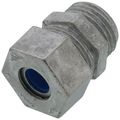
Flex/AC/MC Straight Cord Connectors


 --%3E %3Csvg version='1.1' id='No-RB' xmlns='http://www.w3.org/2000/svg' xmlns:xlink='http://www.w3.org/1999/xlink' x='0px' y='0px' viewBox='0 0 100 100' enable-background='new 0 0 100 100' xml:space='preserve'%3E %3Cpath fill='%23CECECE' d='M79.44,0.95H20.56C9.78,0.95,0.95,9.78,0.95,20.56v58.87c0,10.79,8.82,19.61,19.61,19.61h58.87 c10.79,0,19.61-8.83,19.61-19.61V20.56C99.05,9.78,90.22,0.95,79.44,0.95z M65.38,58.24l9.38,29.58L49.69,69.78L24.5,87.82 l9.34-29.6L8.8,39.6l30.73-0.17c0,0,6.98-19.61,10-28.93c0.54,1.36,9.88,29.1,9.88,29.1H91.2L65.38,58.24z'/%3E %3C/svg%3E)

 --%3E %3Csvg version='1.1' id='Fill' xmlns='http://www.w3.org/2000/svg' xmlns:xlink='http://www.w3.org/1999/xlink' x='0px' y='0px' viewBox='0 0 100 100' enable-background='new 0 0 100 100' xml:space='preserve'%3E %3Cpath fill='%23F15C02' d='M79.44,0.95H20.56C9.78,0.95,0.95,9.78,0.95,20.56v58.87c0,10.79,8.82,19.61,19.61,19.61h58.87 c10.79,0,19.61-8.83,19.61-19.61V20.56C99.05,9.78,90.22,0.95,79.44,0.95z M65.38,58.24l9.38,29.58L49.69,69.78L24.5,87.82 l9.34-29.6L8.8,39.6l30.73-0.17c0,0,6.98-19.61,10-28.93c0.54,1.36,9.88,29.1,9.88,29.1H91.2L65.38,58.24z'/%3E %3C/svg%3E)

Flex/AC/MC Straight Cord Connectors are electrical fittings that join flexible metal conduit, armored cable, and metal-clad cable to junction boxes, panels, and other enclosures in a straight, in-line configuration. Electricians rely on them wherever flexible wiring runs need a secure, code-compliant termination point, from residential rough-in work to commercial tenant fit-outs. Flexible metal conduit connectors in this category are commonly rated across trade sizes from 3/8 inch through 4 inch, with armored cable connectors covering roughly 3/8 inch through 1-1/4 inch. Zinc die-cast construction is standard across the category, with both insulated and non-insulated throat options available depending on whether the conductors need extra protection from sharp edges during a pull. Because flex and MC connections see repeated vibration and thermal cycling near motors, transformers, and rooftop equipment, choosing a connector rated for the actual cable diameter keeps the armor gripped securely and the ground path intact through the life of the installation.
Subcategories
- Set-Screw Connectors: Set-Screw Connectors thread onto flexible metal conduit or MC cable and lock down with a screw driven into the connector body, biting directly into the cable armor. Electricians favor them for panel and box terminations where a firm, vibration-resistant grip matters, such as motor whips and rooftop equipment connections. Zinc die-cast construction is standard for this connector style.
- Squeeze Connectors: Squeeze Connectors clamp around the cable armor when the locknut is tightened, compressing a jaw against the flex or MC jacket rather than relying on a separate set screw. Installers use this style for quick residential and light commercial hookups where installation speed matters as much as holding strength. The squeeze action still delivers a secure ground path on flexible metal conduit runs.
- Screw-On Connectors: Screw-On Connectors thread directly onto the prepared end of flexible conduit or armored cable, similar to how a fitting threads onto pipe. Contractors reach for these on retrofit and service work where a connector needs to come off and go back on cleanly without damaging the cable end. Zinc die-cast construction resists corrosion in damp basements and mechanical rooms.
- Liquid Tight Connectors (Non-Insulated): Liquid Tight Connectors (Non-Insulated) are built for flexible conduit runs in wet or outdoor locations, including condensing unit whips and other exposed equipment connections where a standard connector isn't rated for moisture exposure. Electricians and HVAC contractors specify this style anywhere a flex whip runs outside a conditioned space. The non-insulated designation distinguishes this style from insulated-throat connectors used in dry interior locations.
Buying Guide
Start with the cable type actually being terminated, since flexible metal conduit, armored cable, and metal-clad cable each use connectors sized and rated for that specific armor profile. Confirm the trade size next; an undersized fitting will not grip the armor securely, while an oversized one leaves gaps that compromise the ground path. Location drives the next decision. Wet or outdoor terminations, such as condensing unit whips or rooftop equipment, call for liquid tight connectors, while dry interior panels and boxes can use standard set-screw or squeeze styles. Actuation type matters for production speed on a job site. Squeeze connectors go in fast on repetitive residential work, set-screw connectors give a firmer mechanical bite for motor and vibration-prone connections, and screw-on styles suit retrofit work where a connector needs to come off cleanly. Material choice affects corrosion resistance and longevity, and zinc die-cast construction, common across this category, holds up well in most interior applications. Insulated throat options protect conductor jackets from nicks during pulls through sharp box knockouts, while non-insulated versions suit runs where that extra layer isn't needed. Flex/AC/MC Straight Cord Connectors also need to match the box knockout size and the number of conductors passing through, since an oversized connector body can throw off a box fill calculation. Stocking a small quantity of each actuation type keeps a service van ready for both new work and repair calls without guessing at what a particular job will need.
Frequently Asked Questions
What is the difference between a set-screw and a squeeze connector for MC cable?
Set-screw connectors use a screw driven into the fitting body to bite directly into the cable armor, giving a firmer mechanical hold for vibration-prone locations. Squeeze connectors compress around the armor when the locknut tightens, which installs faster but grips less aggressively. Both styles deliver a secure ground path for flexible metal conduit and MC cable terminations when sized correctly.
When should liquid tight connectors be used instead of standard straight connectors?
Liquid tight connectors belong on any flexible conduit run exposed to moisture, such as whips feeding outdoor condensing units, rooftop equipment, or wash-down areas. Standard non-insulated straight connectors are rated for dry, interior locations only and aren't built to keep water out of the enclosure. Interior, dry-location terminations don't need the liquid tight feature.
What sizes do Flex/AC/MC straight cord connectors come in?
Straight connectors for flexible metal conduit commonly cover trade sizes from 3/8 inch through 4 inch, with armored cable connectors covering roughly 3/8 inch through 1-1/4 inch. Matching the connector size to the actual cable diameter keeps the armor gripped securely and the ground path continuous. Checking the cable jacket diameter before ordering avoids a mismatched fitting.
What material are straight cord connectors made from?
Zinc die-cast is the standard material for straight cord connectors, offering solid corrosion resistance for most interior electrical work. Insulated versions add a protective throat liner that guards conductor insulation from abrasion where the cable passes through the fitting. Material and insulation choice should match the environment and whether the conductors need extra protection from sharp edges.
Are Flex/AC/MC connectors rated for outdoor use?
Standard non-insulated straight connectors are rated for dry, interior locations only. Outdoor or wet-location installations need the liquid tight version, which is built to keep moisture out of the enclosure. Zinc die-cast bodies resist corrosion generally, but the liquid tight design is what makes a connector suitable for outdoor exposure.
