




Floor Flanges
Floor flanges anchor a toilet or closet fixture to the finished floor and connect it to the waste line below. They form the seal point where a wax ring or gasket keeps sewer gas and water from escaping the joint. Plumbers reach for this category on new toilet installations and repairs to a cracked or broken flange. It also serves rough-in adjustments where the flange height needs to change relative to the finished floor.
The lineup covers multiple materials, including PVC, ABS, brass, and galvanized construction, along with variations for different floor heights and pipe connection styles. Matching the flange material to the drain pipe material, and the flange height to the finished floor, keeps the toilet properly seated and sealed against leaks.





Subcategories
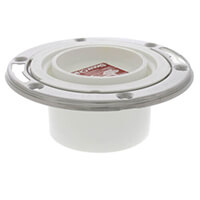
- ABS DWV Closet Flanges: ABS DWV Closet Flanges are built to solvent weld directly to ABS drain, waste, and vent piping, matching the black ABS plastic commonly used in DWV systems. Plumbers select ABS flanges when the existing waste line is ABS. Mixing pipe materials at a joint requires an appropriate transition fitting or primer and cement compatible with both materials. These flanges are sized to standard toilet rough-in dimensions.
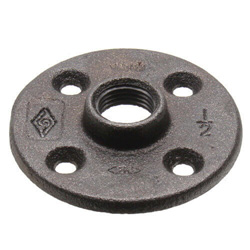
- Black Floor Flanges: Black Floor Flanges are cast iron or similar dark-finished flanges used primarily as a repair or replacement option on older cast iron drain systems. Their heavier construction matches the durability expectations of a cast iron waste line. These flanges are typically installed with a caulked, threaded, or no-hub connection depending on the piping system in place.
- Black Floor Flanges (Imported): Black Floor Flanges (Imported) covers the same general application as domestically produced black flanges, offering a lower-cost option for cast iron or similar drain line repairs. Plumbers use these when a straightforward, budget-conscious replacement flange is needed for a compatible waste line. Fit and connection style should still be confirmed against the existing pipe before purchase.
- Brass Floor Flanges w/ Holes: Brass Floor Flanges w/ Holes provide a corrosion-resistant flange option with pre-drilled mounting holes for securing the flange to the subfloor. Brass construction holds up well in installations exposed to moisture over time compared to some other materials. The pre-drilled holes speed up installation by eliminating a separate drilling step during the toilet rough-in.
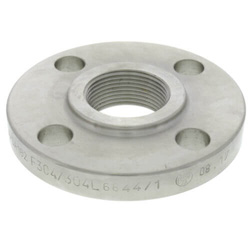
- Galvanized Floor Flanges: Galvanized Floor Flanges are zinc-coated steel flanges designed for threaded connections to galvanized or compatible threaded drain piping. The zinc coating helps resist corrosion in older galvanized waste line systems still common in older homes. These flanges thread directly onto compatible pipe rather than requiring solvent welding or a no-hub coupling.
- Galvanized Floor Flanges (Imported): Galvanized Floor Flanges (Imported) offers the same threaded, corrosion-resistant design as domestically produced galvanized flanges at a different price point. Plumbers use these on repair or replacement jobs involving existing galvanized threaded drain connections. Thread size should be confirmed against the existing pipe before installation to avoid a mismatched connection.
Buying Guide
Matching flange material to the existing drain pipe material is the starting point for any floor flange purchase. PVC and ABS flanges solvent weld to matching plastic pipe. Brass and galvanized flanges are typically installed with threaded connections. Cast iron or black flanges connect to cast iron waste lines through caulked, threaded, or no-hub joints. Installing a flange that doesn't match the pipe material calls for an appropriate transition fitting.
Flange height relative to the finished floor affects how well the wax ring seals against the toilet base. A flange set too low beneath the finished floor surface can prevent the wax ring from forming a complete seal. A flange set too high can leave the toilet unstable or rocking. Flange extenders and repair rings are available to correct height mismatches without replacing the entire flange assembly.
Confirm the pipe size and connection style before purchase. This includes the diameter of the waste line and whether the flange is designed for a slip fit, solvent weld, or threaded connection. A flange sized incorrectly for the waste line diameter won't seat properly regardless of the material.
Load rating and mounting hole placement matter for how securely the flange anchors the toilet to the subfloor. Flanges with pre-drilled holes for closet bolts, spaced to standard toilet mounting dimensions, simplify installation compared to flanges requiring a separate step to align mounting points.
When a flange is cracked or broken and the pipe does not need full replacement, repair rings and flange spacers can restore a proper seal. They work without cutting into the existing waste line. These repair options are worth considering when the underlying pipe and rough-in height are otherwise sound and only the flange itself has failed.
Frequently Asked Questions
How do I know what material floor flange I need?
Match the flange material to the existing drain pipe. Use PVC or ABS flanges for plastic DWV piping. Use brass, galvanized, or cast iron flanges for threaded or caulked metal connections. If the pipe material can't be identified visually, checking the pipe's markings can help confirm it.
What happens if the floor flange sits too low after a floor is retiled?
A flange sitting below the new finished floor surface can prevent the wax ring from forming a complete seal against the toilet base, leading to leaks at the joint. Flange extenders or spacer rings are designed to raise the effective height of an existing flange without replacing it entirely.
Can I install a PVC flange on a cast iron drain pipe?
Not directly. Connecting a PVC flange to cast iron piping requires an appropriate transition fitting or adapter rated for that material combination. Solvent weld cement doesn't bond PVC to cast iron.
Do all floor flanges use the same bolt hole spacing?
Most floor flanges follow a standard bolt hole spacing to match common toilet mounting dimensions, but spacing can vary by manufacturer and flange type. Confirming bolt hole placement against the toilet being installed avoids a mismatch during the rough-in.
Is a repair ring a permanent fix for a cracked flange?
A repair ring can restore a proper seal and mounting surface on a flange that's cracked or broken at the mounting holes. Many are designed for long-term use rather than a temporary patch. Whether it's an appropriate long-term fix depends on the extent of the damage to the underlying flange and pipe.
Resources
Subcategories
- ABS DWV Closet Flanges: ABS DWV Closet Flanges are built to solvent weld directly to ABS drain, waste, and vent piping, matching the black ABS plastic commonly used in DWV systems. Plumbers select ABS flanges when the existing waste line is ABS. Mixing pipe materials at a joint requires an appropriate transition fitting or primer and cement compatible with both materials. These flanges are sized to standard toilet rough-in dimensions.
- Black Floor Flanges: Black Floor Flanges are cast iron or similar dark-finished flanges used primarily as a repair or replacement option on older cast iron drain systems. Their heavier construction matches the durability expectations of a cast iron waste line. These flanges are typically installed with a caulked, threaded, or no-hub connection depending on the piping system in place.
- Black Floor Flanges (Imported): Black Floor Flanges (Imported) covers the same general application as domestically produced black flanges, offering a lower-cost option for cast iron or similar drain line repairs. Plumbers use these when a straightforward, budget-conscious replacement flange is needed for a compatible waste line. Fit and connection style should still be confirmed against the existing pipe before purchase.
- Brass Floor Flanges w/ Holes: Brass Floor Flanges w/ Holes provide a corrosion-resistant flange option with pre-drilled mounting holes for securing the flange to the subfloor. Brass construction holds up well in installations exposed to moisture over time compared to some other materials. The pre-drilled holes speed up installation by eliminating a separate drilling step during the toilet rough-in.
- Galvanized Floor Flanges: Galvanized Floor Flanges are zinc-coated steel flanges designed for threaded connections to galvanized or compatible threaded drain piping. The zinc coating helps resist corrosion in older galvanized waste line systems still common in older homes. These flanges thread directly onto compatible pipe rather than requiring solvent welding or a no-hub coupling.
- Galvanized Floor Flanges (Imported): Galvanized Floor Flanges (Imported) offers the same threaded, corrosion-resistant design as domestically produced galvanized flanges at a different price point. Plumbers use these on repair or replacement jobs involving existing galvanized threaded drain connections. Thread size should be confirmed against the existing pipe before installation to avoid a mismatched connection.
Buying Guide
Matching flange material to the existing drain pipe material is the starting point for any floor flange purchase. PVC and ABS flanges solvent weld to matching plastic pipe. Brass and galvanized flanges are typically installed with threaded connections. Cast iron or black flanges connect to cast iron waste lines through caulked, threaded, or no-hub joints. Installing a flange that doesn't match the pipe material calls for an appropriate transition fitting.
Flange height relative to the finished floor affects how well the wax ring seals against the toilet base. A flange set too low beneath the finished floor surface can prevent the wax ring from forming a complete seal. A flange set too high can leave the toilet unstable or rocking. Flange extenders and repair rings are available to correct height mismatches without replacing the entire flange assembly.
Confirm the pipe size and connection style before purchase. This includes the diameter of the waste line and whether the flange is designed for a slip fit, solvent weld, or threaded connection. A flange sized incorrectly for the waste line diameter won't seat properly regardless of the material.
Load rating and mounting hole placement matter for how securely the flange anchors the toilet to the subfloor. Flanges with pre-drilled holes for closet bolts, spaced to standard toilet mounting dimensions, simplify installation compared to flanges requiring a separate step to align mounting points.
When a flange is cracked or broken and the pipe does not need full replacement, repair rings and flange spacers can restore a proper seal. They work without cutting into the existing waste line. These repair options are worth considering when the underlying pipe and rough-in height are otherwise sound and only the flange itself has failed.
Frequently Asked Questions
How do I know what material floor flange I need?
Match the flange material to the existing drain pipe. Use PVC or ABS flanges for plastic DWV piping. Use brass, galvanized, or cast iron flanges for threaded or caulked metal connections. If the pipe material can't be identified visually, checking the pipe's markings can help confirm it.
What happens if the floor flange sits too low after a floor is retiled?
A flange sitting below the new finished floor surface can prevent the wax ring from forming a complete seal against the toilet base, leading to leaks at the joint. Flange extenders or spacer rings are designed to raise the effective height of an existing flange without replacing it entirely.
Can I install a PVC flange on a cast iron drain pipe?
Not directly. Connecting a PVC flange to cast iron piping requires an appropriate transition fitting or adapter rated for that material combination. Solvent weld cement doesn't bond PVC to cast iron.
Do all floor flanges use the same bolt hole spacing?
Most floor flanges follow a standard bolt hole spacing to match common toilet mounting dimensions, but spacing can vary by manufacturer and flange type. Confirming bolt hole placement against the toilet being installed avoids a mismatch during the rough-in.
Is a repair ring a permanent fix for a cracked flange?
A repair ring can restore a proper seal and mounting surface on a flange that's cracked or broken at the mounting holes. Many are designed for long-term use rather than a temporary patch. Whether it's an appropriate long-term fix depends on the extent of the damage to the underlying flange and pipe.