



Floor Flanges
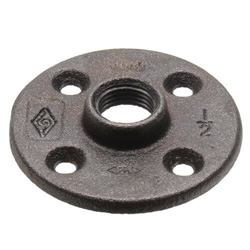
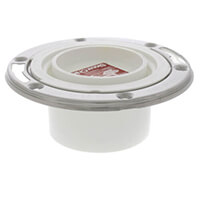
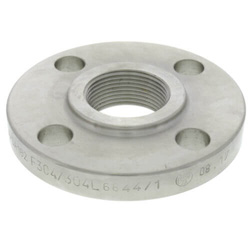
A floor flange is a floor-mounted plumbing fitting that connects the toilet's drain to the drainpipe. We carry brass, black, and galvanized metal flanges for securing pipe to floors or walls, as well as PVC floor flanges, ABS plastic, and DWV floor flanges designed to help hold toilets in place.




Resources
FAQs, Manuals & Videos

Articles
More About Floor Flanges
Frequently Asked Questions
What does a flange do?
Flanges are one method for connecting pipes, valves, pumps, and other equipment to form a piping system. They make it easy to put components together or take them apart for cleaning, inspecting, or troubleshooting. Flanges are usually welded or screwed into systems and then joined with bolts to create a tight seal that allows the system to handle high levels of pressure and to prevent leaks. They come in various shapes, sizes, and pressure ratings and can be made from different materials, depending on the job at hand.
Should a toilet flange be flushed with floor?
Definitely, the toilet floor flange should be flush with the finished floor. This position allows the toilet to sit properly and creates a good seal. If the flange is too high or too low, it can lead to a leaky toilet and a rocky seat. Unpleasant for everyone involved.
How do I install a toilet floor flange on a concrete floor?
Start by drilling pilot holes into the concrete at the flange's mounting locations. Then, use concrete screws to secure the flange, making sure the flange is level and flush with the finished floor surface. Connect the flange to the drainpipe using the appropriate adhesive for the material you’re working with.
What does a flange do?
Flanges are one method for connecting pipes, valves, pumps, and other equipment to form a piping system. They make it easy to put components together or take them apart for cleaning, inspecting, or troubleshooting. Flanges are usually welded or screwed into systems and then joined with bolts to create a tight seal that allows the system to handle high levels of pressure and to prevent leaks. They come in various shapes, sizes, and pressure ratings and can be made from different materials, depending on the job at hand.
Should a toilet flange be flushed with floor?
Definitely, the toilet floor flange should be flush with the finished floor. This position allows the toilet to sit properly and creates a good seal. If the flange is too high or too low, it can lead to a leaky toilet and a rocky seat. Unpleasant for everyone involved.
How do I install a toilet floor flange on a concrete floor?
Start by drilling pilot holes into the concrete at the flange's mounting locations. Then, use concrete screws to secure the flange, making sure the flange is level and flush with the finished floor surface. Connect the flange to the drainpipe using the appropriate adhesive for the material you’re working with.
Resources
More About Floor Flanges
Frequently Asked Questions
What does a flange do?
Flanges are one method for connecting pipes, valves, pumps, and other equipment to form a piping system. They make it easy to put components together or take them apart for cleaning, inspecting, or troubleshooting. Flanges are usually welded or screwed into systems and then joined with bolts to create a tight seal that allows the system to handle high levels of pressure and to prevent leaks. They come in various shapes, sizes, and pressure ratings and can be made from different materials, depending on the job at hand.
Should a toilet flange be flushed with floor?
Definitely, the toilet floor flange should be flush with the finished floor. This position allows the toilet to sit properly and creates a good seal. If the flange is too high or too low, it can lead to a leaky toilet and a rocky seat. Unpleasant for everyone involved.
How do I install a toilet floor flange on a concrete floor?
Start by drilling pilot holes into the concrete at the flange's mounting locations. Then, use concrete screws to secure the flange, making sure the flange is level and flush with the finished floor surface. Connect the flange to the drainpipe using the appropriate adhesive for the material you’re working with.
What does a flange do?
Flanges are one method for connecting pipes, valves, pumps, and other equipment to form a piping system. They make it easy to put components together or take them apart for cleaning, inspecting, or troubleshooting. Flanges are usually welded or screwed into systems and then joined with bolts to create a tight seal that allows the system to handle high levels of pressure and to prevent leaks. They come in various shapes, sizes, and pressure ratings and can be made from different materials, depending on the job at hand.
Should a toilet flange be flushed with floor?
Definitely, the toilet floor flange should be flush with the finished floor. This position allows the toilet to sit properly and creates a good seal. If the flange is too high or too low, it can lead to a leaky toilet and a rocky seat. Unpleasant for everyone involved.
How do I install a toilet floor flange on a concrete floor?
Start by drilling pilot holes into the concrete at the flange's mounting locations. Then, use concrete screws to secure the flange, making sure the flange is level and flush with the finished floor surface. Connect the flange to the drainpipe using the appropriate adhesive for the material you’re working with.