




Gas Valves & Controls
Gas valves and controls regulate fuel delivery and combustion safety on gas-fired furnaces, boilers, and water heaters. The category covers combination gas valves from Honeywell, Resideo, Robertshaw, and White Rodgers, along with pilot safety valves and solenoid-operated valves from Baso and Asco.
A gas valve is one of the most safety-critical components on any gas appliance, so matching the exact replacement to the equipment's manufacturer and model keeps the ignition and safety lockout sequence working as designed. Combustion solenoid valves in particular use an electrically operated coil to open and close fuel flow precisely.


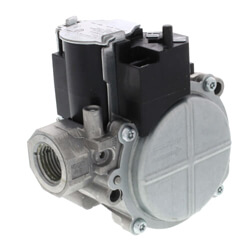

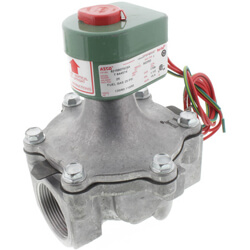


Honeywell and Resideo Gas Valves and Controls are the most widely installed gas valve brand in residential and light commercial heating equipment in the United States. Resideo SmartValves include electronic ignition integration for intermittent pilot and direct spark applications and are available in natural gas and propane versions for a wide range of BTU inputs.
Robertshaw Gas Valves are combination gas valves and thermostatic controls used in residential boilers, furnaces, and water heaters. Robertshaw produces both standard combination gas valves for standing pilot systems and electronic valves for intermittent ignition applications. Connection size, BTU capacity, and control voltage must be confirmed before ordering a replacement.
White Rodgers Gas Valves are gas valves and controls produced by Emerson for residential and light commercial heating equipment, in standing pilot and electronic ignition configurations. Conversion kits for switching between natural gas and propane are available for many White Rodgers valve models.
Baso Gas Valves are pilot safety valves and gas controls used in commercial and industrial burner applications. Baso produces thermocouple-operated pilot safety valves that close the main gas supply when the pilot flame is extinguished, as well as manual reset safety valves requiring confirmation of safe conditions before restart.
Combustion Solenoid Valves are electrically operated gas valves that use a solenoid coil to open or close the gas supply on demand from a burner control system. They are designed for continuous on-off cycling duty in commercial burner systems and industrial process heating applications. Available in normally open and normally closed configurations in multiple pipe sizes and pressure ratings.
Asco Gas Valves are solenoid-operated gas valves from Asco for commercial and industrial burner systems, process equipment, and HVAC applications requiring precise electrically controlled gas flow. Asco Red-Hat gas valves are rated for natural gas, propane, and other fuel gases in a range of voltages, pipe sizes, and pressure ratings.
Fuel type is the first selection variable for any gas valve. Valves designed for natural gas are set for lower inlet pressure, while propane valves are set for the higher inlet pressure of liquid propane systems. Using a natural gas valve on a propane system without conversion will result in excessive gas flow and an unsafe condition. Most major brands offer conversion kits to switch between fuel types.
Control voltage must match the appliance's control circuit. Most residential gas valves operate on 24 volts AC. The valve's solenoid coil is wound for a specific voltage, and installing a valve with the wrong coil voltage will result in either a burned coil or a valve that will not open. Confirm the control voltage from the appliance wiring diagram before ordering.
Pilot system type determines whether a standing pilot, intermittent pilot, or direct spark valve is required. Standing pilot valves use a thermocouple to hold the safety valve open. Intermittent pilot valves use electronic ignition to light the pilot only when heat is called for. Direct spark systems ignite the main burner directly, requiring a valve with an electronic actuator compatible with the ignition controller.
How do I know if my gas valve needs to be replaced?
Gas valve failure typically presents as a burner that will not light even when the pilot or igniter is functioning, a burner that lights but shuts off immediately, or a valve that allows continuous gas flow after the setpoint is reached. If a gas odor is detected when the appliance is off, shut off the gas supply, evacuate the building, and call for service before attempting any diagnosis.
Can I replace a gas valve myself?
Gas valve replacement requires disconnecting and reconnecting gas piping, which is regulated in most jurisdictions and requires a licensed plumber or HVAC technician. After replacement, all connections must be leak tested with approved leak detection solution before the appliance is returned to service.
What is the difference between a combination gas valve and a standalone solenoid gas valve?
A combination gas valve integrates the main shutoff, pressure regulator, and often a pilot gas supply in a single body, operated by the thermostat through the appliance control circuit. A standalone solenoid gas valve performs only the on-off function and is used in commercial burner systems where pressure regulation and safety functions are handled by separate components.
What does slow opening or step opening mean on a gas valve?
Slow opening valves gradually increase gas flow over several seconds, producing a quieter ignition than a fast-opening valve that opens to full capacity immediately. A step opening valve opens to a low fire position first, establishing a stable flame, and then steps up to full capacity. Step opening is common in commercial burners and residential equipment designed for quieter operation.
How do I convert a gas valve from natural gas to propane?
Most combination gas valves can be converted using a manufacturer-supplied kit that includes a replacement pressure regulator spring adjusting outlet pressure from 3.5-4 inches water column for natural gas to 10-11 inches for propane. After conversion, manifold pressure must be verified with a manometer and the burner observed through a complete firing cycle before returning the appliance to service.
Resources
Honeywell and Resideo Gas Valves and Controls are the most widely installed gas valve brand in residential and light commercial heating equipment in the United States. Resideo SmartValves include electronic ignition integration for intermittent pilot and direct spark applications and are available in natural gas and propane versions for a wide range of BTU inputs.
Robertshaw Gas Valves are combination gas valves and thermostatic controls used in residential boilers, furnaces, and water heaters. Robertshaw produces both standard combination gas valves for standing pilot systems and electronic valves for intermittent ignition applications. Connection size, BTU capacity, and control voltage must be confirmed before ordering a replacement.
White Rodgers Gas Valves are gas valves and controls produced by Emerson for residential and light commercial heating equipment, in standing pilot and electronic ignition configurations. Conversion kits for switching between natural gas and propane are available for many White Rodgers valve models.
Baso Gas Valves are pilot safety valves and gas controls used in commercial and industrial burner applications. Baso produces thermocouple-operated pilot safety valves that close the main gas supply when the pilot flame is extinguished, as well as manual reset safety valves requiring confirmation of safe conditions before restart.
Combustion Solenoid Valves are electrically operated gas valves that use a solenoid coil to open or close the gas supply on demand from a burner control system. They are designed for continuous on-off cycling duty in commercial burner systems and industrial process heating applications. Available in normally open and normally closed configurations in multiple pipe sizes and pressure ratings.
Asco Gas Valves are solenoid-operated gas valves from Asco for commercial and industrial burner systems, process equipment, and HVAC applications requiring precise electrically controlled gas flow. Asco Red-Hat gas valves are rated for natural gas, propane, and other fuel gases in a range of voltages, pipe sizes, and pressure ratings.
Fuel type is the first selection variable for any gas valve. Valves designed for natural gas are set for lower inlet pressure, while propane valves are set for the higher inlet pressure of liquid propane systems. Using a natural gas valve on a propane system without conversion will result in excessive gas flow and an unsafe condition. Most major brands offer conversion kits to switch between fuel types.
Control voltage must match the appliance's control circuit. Most residential gas valves operate on 24 volts AC. The valve's solenoid coil is wound for a specific voltage, and installing a valve with the wrong coil voltage will result in either a burned coil or a valve that will not open. Confirm the control voltage from the appliance wiring diagram before ordering.
Pilot system type determines whether a standing pilot, intermittent pilot, or direct spark valve is required. Standing pilot valves use a thermocouple to hold the safety valve open. Intermittent pilot valves use electronic ignition to light the pilot only when heat is called for. Direct spark systems ignite the main burner directly, requiring a valve with an electronic actuator compatible with the ignition controller.
How do I know if my gas valve needs to be replaced?
Gas valve failure typically presents as a burner that will not light even when the pilot or igniter is functioning, a burner that lights but shuts off immediately, or a valve that allows continuous gas flow after the setpoint is reached. If a gas odor is detected when the appliance is off, shut off the gas supply, evacuate the building, and call for service before attempting any diagnosis.
Can I replace a gas valve myself?
Gas valve replacement requires disconnecting and reconnecting gas piping, which is regulated in most jurisdictions and requires a licensed plumber or HVAC technician. After replacement, all connections must be leak tested with approved leak detection solution before the appliance is returned to service.
What is the difference between a combination gas valve and a standalone solenoid gas valve?
A combination gas valve integrates the main shutoff, pressure regulator, and often a pilot gas supply in a single body, operated by the thermostat through the appliance control circuit. A standalone solenoid gas valve performs only the on-off function and is used in commercial burner systems where pressure regulation and safety functions are handled by separate components.
What does slow opening or step opening mean on a gas valve?
Slow opening valves gradually increase gas flow over several seconds, producing a quieter ignition than a fast-opening valve that opens to full capacity immediately. A step opening valve opens to a low fire position first, establishing a stable flame, and then steps up to full capacity. Step opening is common in commercial burners and residential equipment designed for quieter operation.
How do I convert a gas valve from natural gas to propane?
Most combination gas valves can be converted using a manufacturer-supplied kit that includes a replacement pressure regulator spring adjusting outlet pressure from 3.5-4 inches water column for natural gas to 10-11 inches for propane. After conversion, manifold pressure must be verified with a manometer and the burner observed through a complete firing cycle before returning the appliance to service.