




Filters
SORT
Product Availability –
Brand –
Review Score –
 --%3E %3Csvg version='1.1' id='Fill' xmlns='http://www.w3.org/2000/svg' xmlns:xlink='http://www.w3.org/1999/xlink' x='0px' y='0px' viewBox='0 0 100 100' enable-background='new 0 0 100 100' xml:space='preserve'%3E %3Cpath fill='%23F15C02' d='M79.44,0.95H20.56C9.78,0.95,0.95,9.78,0.95,20.56v58.87c0,10.79,8.82,19.61,19.61,19.61h58.87 c10.79,0,19.61-8.83,19.61-19.61V20.56C99.05,9.78,90.22,0.95,79.44,0.95z M65.38,58.24l9.38,29.58L49.69,69.78L24.5,87.82 l9.34-29.6L8.8,39.6l30.73-0.17c0,0,6.98-19.61,10-28.93c0.54,1.36,9.88,29.1,9.88,29.1H91.2L65.38,58.24z'/%3E %3C/svg%3E)
 --%3E %3Csvg version='1.1' id='With-RB' xmlns='http://www.w3.org/2000/svg' xmlns:xlink='http://www.w3.org/1999/xlink' x='0px' y='0px' viewBox='0 0 100 100' enable-background='new 0 0 100 100' xml:space='preserve'%3E %3Cpath fill='%23FBC8B4' d='M79.44,0.95H20.56C9.78,0.95,0.95,9.78,0.95,20.56v58.87c0,10.79,8.82,19.61,19.61,19.61h58.87 c10.79,0,19.61-8.83,19.61-19.61V20.56C99.05,9.78,90.22,0.95,79.44,0.95z M65.38,58.24l9.38,29.58L49.69,69.78L24.5,87.82 l9.34-29.6L8.8,39.6l30.73-0.17c0,0,6.98-19.61,10-28.93c0.54,1.36,9.88,29.1,9.88,29.1H91.2L65.38,58.24z'/%3E %3C/svg%3E)
Price Range –
Gauge Glass Nuts, Washers, and Gaskets


 --%3E %3Csvg version='1.1' id='No-RB' xmlns='http://www.w3.org/2000/svg' xmlns:xlink='http://www.w3.org/1999/xlink' x='0px' y='0px' viewBox='0 0 100 100' enable-background='new 0 0 100 100' xml:space='preserve'%3E %3Cpath fill='%23CECECE' d='M79.44,0.95H20.56C9.78,0.95,0.95,9.78,0.95,20.56v58.87c0,10.79,8.82,19.61,19.61,19.61h58.87 c10.79,0,19.61-8.83,19.61-19.61V20.56C99.05,9.78,90.22,0.95,79.44,0.95z M65.38,58.24l9.38,29.58L49.69,69.78L24.5,87.82 l9.34-29.6L8.8,39.6l30.73-0.17c0,0,6.98-19.61,10-28.93c0.54,1.36,9.88,29.1,9.88,29.1H91.2L65.38,58.24z'/%3E %3C/svg%3E)






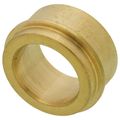


Gauge Glass Nuts, Washers, and Gaskets are the small hardware components that seal a boiler's water level gauge glass assembly against the fittings holding it in place. A gauge glass gives a visual reading of water level inside a steam boiler, and every connection point along that assembly depends on a properly sized nut, washer, and gasket to stay watertight under boiler pressure and temperature. Technicians replace these parts far more often than the gauge glass tube itself, since the rubber and fiber components degrade with heat cycling well before the glass or fittings wear out.
A leaking gauge glass connection is a common source of nuisance water loss on an older steam boiler, and it's usually traced back to a hardened or compressed washer rather than a cracked glass tube. Keeping the correct sizes on hand for common boiler models shortens a repair that would otherwise require a return trip.
Subcategories
- Gauge Glass Washers: Gauge Glass Washers sit between the gauge glass tube and the fitting to create the primary seal at each connection point. Rubber washers are common on lower-temperature applications, while fiber or non-asbestos composition washers hold up better under the higher heat of steam systems. A washer that has hardened from years of heat exposure loses its ability to compress and seal, which shows up as a slow drip at the fitting. Replacement washers are sized to match the gauge glass tube diameter.
- Gauge Glass Nuts: Gauge Glass Nuts thread onto the fitting and compress the washer against the glass tube to complete the seal. Nuts are typically brass or another corrosion-resistant material, since they're exposed to boiler water and steam continuously. Over-tightening a nut can crack the glass tube, while under-tightening leaves the connection prone to weeping, so proper torque matters more than it might appear for such a small part. Replacement nuts are matched to the thread size of the existing fitting.
- Gasket Sets: Gasket Sets bundle the washers and any additional sealing components needed for a complete gauge glass assembly repair in one package, saving a technician from ordering several individual parts separately. Sets are typically organized by boiler manufacturer and gauge glass fitting type, since sizes aren't universal across brands. Keeping a few common sets in inventory covers most service calls on the same fleet of equipment a technician regularly services. Using a full set rather than a single washer also replaces components that may be near the end of their service life even if they aren't leaking yet.
Buying Guide
Matching washer material to the application is the most important decision in this category. Steam boilers run hotter than hot water systems, and a washer rated only for lower-temperature service will degrade quickly and lead to a repeat leak soon after installation.
Fitting thread size and glass tube diameter both need to be confirmed against the existing hardware before ordering, since Gauge Glass Nuts, Washers, and Gaskets aren't standardized across every boiler manufacturer. Pulling the old hardware for reference, rather than relying on the boiler's age or brand alone, avoids a mismatched order.
For a technician who services a variety of boiler makes, keeping a small assortment of common gasket sets on hand covers most calls without needing a special order mid-repair. For someone servicing a consistent fleet of similar equipment, ordering matched sets in bulk for that specific model is usually more efficient.
Because these parts are inexpensive relative to a service call, replacing the full washer and nut set at the first sign of a leak, rather than just tightening the existing nut, is the more reliable long-term fix and reduces the odds of a repeat visit.
Frequently Asked Questions
Why does a gauge glass connection keep leaking after tightening the nut?
A hardened or compressed washer is the usual cause. Tightening the nut further compresses an already worn washer only briefly before the leak returns, so replacing the washer is the more lasting fix.
Can gauge glass washers be reused after removing them for inspection?
It's not recommended. Removing a washer disturbs its compression set, and rubber or fiber washers that have already been through one or more heat cycles rarely seal as reliably the second time.
What material washer is best for a steam boiler gauge glass?
Fiber or non-asbestos composition washers generally hold up better under steam temperatures than standard rubber washers, which can harden and lose their seal faster in high-heat applications.
How tight should a gauge glass nut be?
Snug enough to compress the washer and stop leaking without over-tightening, since excessive torque risks cracking the glass tube. Following the fitting manufacturer's torque guidance, when available, is the safest approach.
Are gauge glass hardware sizes standardized across boiler brands?
No. Thread sizes and glass tube diameters vary by manufacturer and fitting design, so matching replacement parts to the existing hardware, rather than assuming a universal fit, is necessary.
