




Goodman Air Conditioners
Goodman air conditioners cover the outdoor condensers, indoor air handlers, and coils that make up a complete cooling system, along with commercial packaged units that combine heating and cooling in a single rooftop or ground-level cabinet. Electric heat kits and gas furnaces round out the heating side of a matched system.
Matching condenser capacity to the connected air handler or coil keeps the system operating at its rated efficiency, since a mismatched pairing can reduce performance and shorten equipment life. Contractors replacing failed equipment often specify matched Goodman components to keep warranty coverage intact across the system.




Subcategories
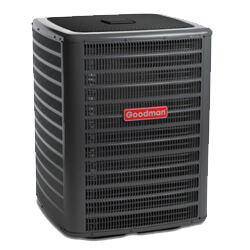
- Goodman AC Condensers: Outdoor condensing units that reject heat from the refrigerant during cooling operation, sized to match the indoor coil and air handler in a system.
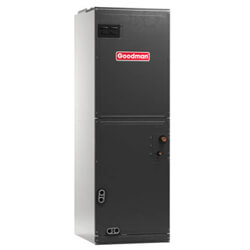
- Goodman Air Handlers: Indoor units that circulate conditioned air through the ductwork, available in configurations that pair with a furnace or stand alone with a coil.
- Goodman Commercial Packaged Units: Self-contained rooftop or ground-level units combining cooling and heating in one cabinet, sized for light commercial buildings where ducted split systems are not practical.
- Goodman Electric Heat Kits: Supplemental electric heating elements that install into an air handler, used either as backup heat for a heat pump system or as the primary heat source in an all-electric setup.
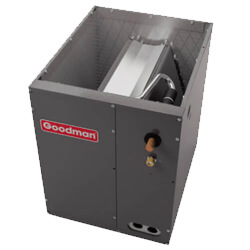
- Goodman Evaporator Coils: Indoor coils that complete the refrigerant circuit with an outdoor condenser, installed above or alongside a furnace or air handler.
- Goodman Gas Furnaces: Gas-fired furnaces that provide the heating side of a combined heating and cooling system, sized and staged to match the ductwork and cooling equipment installed alongside them.
Buying Guide
Match tonnage and staging across the whole system. A condenser, coil, and air handler or furnace need to be sized to work together, and mixing mismatched capacities shortens equipment life and hurts efficiency.
Decide between a heat pump condenser and a straight-cooling condenser paired with a furnace based on the climate and fuel costs in the area a job is in. Heat pumps handle both heating and cooling from one outdoor unit, while a furnace and AC pairing splits the two functions.
Check coil and air handler compatibility before ordering. Even within one manufacturer's lineup, cabinet size and refrigerant connections vary by model, so confirming the coil matches the air handler or furnace avoids a return trip for the wrong part.
For commercial jobs, packaged units simplify installation where roof or pad space allows it, cutting down on the ductwork and refrigerant line runs a split system would need.
Factor in electric heat kit sizing separately from the condenser and air handler. The kit needs to match the air handler's airflow and the home's supplemental or primary heating load, not just the cooling tonnage of the system.
Frequently Asked Questions
Can a Goodman condenser be paired with a coil from a different brand?
Manufacturers rate their equipment for matched-system performance and warranty coverage, so pairing a Goodman condenser with its matching coil and air handler is the safer route. Mixing brands can void warranty coverage and complicate future service.
What is the difference between an air handler and a furnace?
An air handler moves conditioned air but does not generate heat on its own, relying on an electric heat kit or a heat pump for warmth. A furnace generates its own heat, typically by burning gas, and moves that heated air through the same blower and ductwork.
How is a packaged unit different from a split system?
A packaged unit houses the condenser, coil, and often the furnace or heat strips in one outdoor cabinet, connecting to ductwork directly. A split system separates the outdoor condenser from an indoor air handler or furnace, connected by refrigerant lines.
When is an electric heat kit needed instead of a furnace?
An electric heat kit makes sense as backup heat for a heat pump system or as the primary heat source where gas service is not available. A furnace is the more common choice where gas is already run to the property.
Does evaporator coil orientation matter during installation?
Yes. Coils are built in upflow, downflow, or horizontal configurations to match how air moves through the air handler or furnace cabinet, and installing the wrong orientation can restrict airflow or cause drainage issues.
Resources
Subcategories
- Goodman AC Condensers: Outdoor condensing units that reject heat from the refrigerant during cooling operation, sized to match the indoor coil and air handler in a system.
- Goodman Air Handlers: Indoor units that circulate conditioned air through the ductwork, available in configurations that pair with a furnace or stand alone with a coil.
- Goodman Commercial Packaged Units: Self-contained rooftop or ground-level units combining cooling and heating in one cabinet, sized for light commercial buildings where ducted split systems are not practical.
- Goodman Electric Heat Kits: Supplemental electric heating elements that install into an air handler, used either as backup heat for a heat pump system or as the primary heat source in an all-electric setup.
- Goodman Evaporator Coils: Indoor coils that complete the refrigerant circuit with an outdoor condenser, installed above or alongside a furnace or air handler.
- Goodman Gas Furnaces: Gas-fired furnaces that provide the heating side of a combined heating and cooling system, sized and staged to match the ductwork and cooling equipment installed alongside them.
Buying Guide
Match tonnage and staging across the whole system. A condenser, coil, and air handler or furnace need to be sized to work together, and mixing mismatched capacities shortens equipment life and hurts efficiency.
Decide between a heat pump condenser and a straight-cooling condenser paired with a furnace based on the climate and fuel costs in the area a job is in. Heat pumps handle both heating and cooling from one outdoor unit, while a furnace and AC pairing splits the two functions.
Check coil and air handler compatibility before ordering. Even within one manufacturer's lineup, cabinet size and refrigerant connections vary by model, so confirming the coil matches the air handler or furnace avoids a return trip for the wrong part.
For commercial jobs, packaged units simplify installation where roof or pad space allows it, cutting down on the ductwork and refrigerant line runs a split system would need.
Factor in electric heat kit sizing separately from the condenser and air handler. The kit needs to match the air handler's airflow and the home's supplemental or primary heating load, not just the cooling tonnage of the system.
Frequently Asked Questions
Can a Goodman condenser be paired with a coil from a different brand?
Manufacturers rate their equipment for matched-system performance and warranty coverage, so pairing a Goodman condenser with its matching coil and air handler is the safer route. Mixing brands can void warranty coverage and complicate future service.
What is the difference between an air handler and a furnace?
An air handler moves conditioned air but does not generate heat on its own, relying on an electric heat kit or a heat pump for warmth. A furnace generates its own heat, typically by burning gas, and moves that heated air through the same blower and ductwork.
How is a packaged unit different from a split system?
A packaged unit houses the condenser, coil, and often the furnace or heat strips in one outdoor cabinet, connecting to ductwork directly. A split system separates the outdoor condenser from an indoor air handler or furnace, connected by refrigerant lines.
When is an electric heat kit needed instead of a furnace?
An electric heat kit makes sense as backup heat for a heat pump system or as the primary heat source where gas service is not available. A furnace is the more common choice where gas is already run to the property.
Does evaporator coil orientation matter during installation?
Yes. Coils are built in upflow, downflow, or horizontal configurations to match how air moves through the air handler or furnace cabinet, and installing the wrong orientation can restrict airflow or cause drainage issues.