




Filters
SORT
Product Availability –
Review Score –
 --%3E %3Csvg version='1.1' id='Fill' xmlns='http://www.w3.org/2000/svg' xmlns:xlink='http://www.w3.org/1999/xlink' x='0px' y='0px' viewBox='0 0 100 100' enable-background='new 0 0 100 100' xml:space='preserve'%3E %3Cpath fill='%23F15C02' d='M79.44,0.95H20.56C9.78,0.95,0.95,9.78,0.95,20.56v58.87c0,10.79,8.82,19.61,19.61,19.61h58.87 c10.79,0,19.61-8.83,19.61-19.61V20.56C99.05,9.78,90.22,0.95,79.44,0.95z M65.38,58.24l9.38,29.58L49.69,69.78L24.5,87.82 l9.34-29.6L8.8,39.6l30.73-0.17c0,0,6.98-19.61,10-28.93c0.54,1.36,9.88,29.1,9.88,29.1H91.2L65.38,58.24z'/%3E %3C/svg%3E)
 --%3E %3Csvg version='1.1' id='With-RB' xmlns='http://www.w3.org/2000/svg' xmlns:xlink='http://www.w3.org/1999/xlink' x='0px' y='0px' viewBox='0 0 100 100' enable-background='new 0 0 100 100' xml:space='preserve'%3E %3Cpath fill='%23FBC8B4' d='M79.44,0.95H20.56C9.78,0.95,0.95,9.78,0.95,20.56v58.87c0,10.79,8.82,19.61,19.61,19.61h58.87 c10.79,0,19.61-8.83,19.61-19.61V20.56C99.05,9.78,90.22,0.95,79.44,0.95z M65.38,58.24l9.38,29.58L49.69,69.78L24.5,87.82 l9.34-29.6L8.8,39.6l30.73-0.17c0,0,6.98-19.61,10-28.93c0.54,1.36,9.88,29.1,9.88,29.1H91.2L65.38,58.24z'/%3E %3C/svg%3E)
Price Range –
Greenheck Parts


 --%3E %3Csvg version='1.1' id='No-RB' xmlns='http://www.w3.org/2000/svg' xmlns:xlink='http://www.w3.org/1999/xlink' x='0px' y='0px' viewBox='0 0 100 100' enable-background='new 0 0 100 100' xml:space='preserve'%3E %3Cpath fill='%23CECECE' d='M79.44,0.95H20.56C9.78,0.95,0.95,9.78,0.95,20.56v58.87c0,10.79,8.82,19.61,19.61,19.61h58.87 c10.79,0,19.61-8.83,19.61-19.61V20.56C99.05,9.78,90.22,0.95,79.44,0.95z M65.38,58.24l9.38,29.58L49.69,69.78L24.5,87.82 l9.34-29.6L8.8,39.6l30.73-0.17c0,0,6.98-19.61,10-28.93c0.54,1.36,9.88,29.1,9.88,29.1H91.2L65.38,58.24z'/%3E %3C/svg%3E)
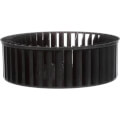

Greenheck Parts are the replacement motors, wheels, belts, and other components used to service Greenheck-brand ventilation fans and air-handling equipment installed in commercial and residential buildings. HVAC technicians pull from this category when a rooftop exhaust fan, inline blower, or ventilation unit starts running rough, loses airflow, or fails outright and needs a specific component rather than a full unit replacement. Fan equipment takes the most wear on rotating parts, so motors, blower wheels, and belts are among the most frequently replaced items. Because Greenheck builds many different fan models across its product lines, matching a part to the exact unit model and serial information is necessary before ordering, since components are rarely interchangeable across different fan families. Keeping the right parts on hand shortens the time a building's exhaust or ventilation system spends offline during a repair.
Subcategories
- Motors: Motors drive the fan wheel and are one of the most commonly replaced components on any ventilation unit, since they run continuously during operation and take the most wear over the equipment's service life. Technicians match a replacement motor to the original unit's horsepower, voltage, and mounting configuration to keep airflow performance consistent. A failing motor often shows up first as reduced airflow or unusual noise before it stops running altogether. Swapping a motor is usually faster and less expensive than replacing the entire fan assembly.
- Fan Wheels & Blades: Fan wheels and blades are the rotating components that actually move air through the unit, and they wear or become unbalanced over years of continuous operation. An unbalanced or damaged wheel causes vibration that can shorten motor and bearing life if left unaddressed. Replacement wheels need to match the original part's diameter, blade configuration, and rotation direction for the fan to perform as designed. This is a common repair on rooftop exhaust fans exposed to outdoor debris.
- Belts & Drive Components: Belts and drive components connect the motor to the fan wheel on belt-driven units, transferring rotational power between the two. Belts stretch and wear with use, which can reduce airflow even when the motor itself is running normally. Pulleys and other drive parts should be checked for wear whenever a belt is replaced, since a worn pulley will shorten the life of a new belt quickly. Keeping the belt tension within the manufacturer's specification is part of routine fan maintenance.
Buying Guide
Sourcing the correct Greenheck part starts with the fan unit's model and serial number, both of which are typically found on a nameplate attached to the equipment housing. Because Greenheck manufactures many distinct fan lines for different applications, from rooftop exhaust to inline supply fans, parts are rarely interchangeable between families even when two units look similar from the outside. For a motor replacement, horsepower, voltage, and mounting style all need to match the original equipment, since an undersized or mismatched motor will not move the rated airflow and can shorten its own service life. A fan wheel or blade assembly needs to match not just size but also rotation direction and blade pitch, since installing the wrong configuration can reduce airflow or cause vibration. Belt-driven units call for checking pulley condition alongside the belt itself, since replacing only the belt on a worn pulley leads to premature belt failure. Rooftop units in particular see accelerated wear on wheels and housings from weather exposure and airborne debris, so a visual inspection during routine maintenance often catches a developing problem before it causes a full breakdown. Keeping model and serial information on file for each unit in a building speeds up ordering the next time a part needs replacing.
Frequently Asked Questions
How do I find the model number for a Greenheck fan?
The model and serial number are typically printed on a nameplate attached to the fan housing or motor mount. This information is needed to order the correct replacement parts, since components are rarely interchangeable across different fan families. Recording this information during installation or the first service call saves time on future repairs.
What are the signs a fan motor needs replacement?
Reduced airflow, unusual noise, or the motor failing to start are the most common signs of a failing fan motor. Overheating or tripping a breaker repeatedly can also point to a motor nearing the end of its service life. Matching horsepower and voltage on the replacement keeps the fan performing as designed.
Can any fan wheel be used as a replacement, or does it need to match exactly?
A replacement fan wheel needs to match the original in diameter, blade configuration, and rotation direction, since a mismatched wheel can reduce airflow or cause vibration. Even wheels that look similar in size may have different blade pitch designed for a specific fan housing. Ordering by the original unit's model information avoids this mismatch.
Why does a belt-driven fan lose airflow even after a new belt is installed?
A worn or damaged pulley can cause a new belt to slip or wear unevenly, which limits the airflow improvement expected from the replacement. Checking pulley condition and alignment at the same time as a belt replacement addresses the root cause. Belt tension should also be set to the manufacturer's specification after installation.
How often should rooftop ventilation fans be inspected?
Rooftop units are exposed to weather and airborne debris, which accelerates wear on wheels, housings, and motors compared to indoor equipment. Routine seasonal inspection catches developing wear before it causes a full failure. Facilities with multiple rooftop units often schedule inspections alongside general HVAC maintenance visits.
