




Grundfos UP Zone Valves

 --%3E %3Csvg version='1.1' id='No-RB' xmlns='http://www.w3.org/2000/svg' xmlns:xlink='http://www.w3.org/1999/xlink' x='0px' y='0px' viewBox='0 0 100 100' enable-background='new 0 0 100 100' xml:space='preserve'%3E %3Cpath fill='%23CECECE' d='M79.44,0.95H20.56C9.78,0.95,0.95,9.78,0.95,20.56v58.87c0,10.79,8.82,19.61,19.61,19.61h58.87 c10.79,0,19.61-8.83,19.61-19.61V20.56C99.05,9.78,90.22,0.95,79.44,0.95z M65.38,58.24l9.38,29.58L49.69,69.78L24.5,87.82 l9.34-29.6L8.8,39.6l30.73-0.17c0,0,6.98-19.61,10-28.93c0.54,1.36,9.88,29.1,9.88,29.1H91.2L65.38,58.24z'/%3E %3C/svg%3E)

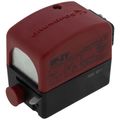
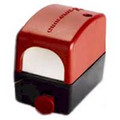


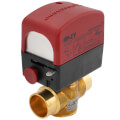
Grundfos UP zone valves are motorized valves used in hydronic heating systems to control which zones of a building receive hot water from the boiler at any given time. Rather than running one circulator per zone, a zoned hydronic system can use a single circulator paired with a zone valve on each branch, opening only the valves for zones actively calling for heat. This approach cuts down on the number of pumps needed in multi-zone residential and light commercial systems, since the circulator moves water only where a valve is open. Zone valves typically pair with a thermostat-driven control that opens the valve when a zone calls for heat and closes it once satisfied, often with an end switch that also signals the circulator to run. Installers working boiler replacements or additions to existing hydronic systems use these valves to add zoning control without redesigning the whole piping layout.
Subcategories
- Two-Way Zone Valves: Two-way zone valves control flow through a single pipe run, opening to allow water into a zone and closing to block it entirely. These are the most common configuration for straightforward zoned baseboard or radiant systems. An actuator motor drives the valve open and closed in response to a thermostat call for heat. Sizing matches the pipe diameter of the zone branch being controlled.
- Zone Valves with End Switch: Zone valves with an integrated end switch send a signal to the system's circulator or boiler control once the valve reaches full open position, ensuring the pump doesn't run against a closed valve. This protects the circulator from operating with no flow path, which can cause overheating or premature wear. Multi-zone systems typically wire several of these valves back to a central zone control panel or relay board. The end switch is a mechanical or electronic contact built into the valve's actuator housing.
- Replacement Actuators and Valve Bodies: Replacement actuators let a technician swap out a failed motor or control head without replacing the entire valve body and its soldered or threaded pipe connections. This is the more common repair path for an aging zone valve, since the valve body itself rarely wears out before the actuator does. Matching the replacement actuator to the specific valve body model is essential, since actuators aren't universally interchangeable across manufacturers. Keeping a few common replacement actuators on hand speeds up no-heat service calls.
Buying Guide
Matching valve type to the system layout is the starting point: a straightforward zoned baseboard system typically needs standard two-way zone valves, while systems relying on a single shared circulator across multiple zones benefit from valves with an integrated end switch that signals the pump directly. Pipe size and connection type, whether sweat, threaded, or press, need to match the existing zone piping exactly, since a mismatched connection type turns a simple valve swap into a larger repiping job. Grundfos UP Zone Valves are sized to pair with common residential and light commercial hydronic branch sizes, so confirming the zone's pipe diameter before ordering avoids a return trip for the correct size. For repair and replacement work, checking whether the existing valve body is still in good condition can save money, since a replacement actuator alone often resolves a no-heat call without swapping the whole valve. Compatibility with the existing zone control panel or thermostat wiring should also be checked, particularly on older systems where control voltage or wiring configuration may differ from current standard practice. Finally, valve flow rating (Cv) should be checked against the zone's expected flow rate, since an undersized valve restricts flow and can starve a zone of heat even when everything else is wired correctly.
Frequently Asked Questions
What does the end switch on a zone valve do?
The end switch closes an electrical contact once the valve reaches full open position, sending a signal to the circulator or boiler control that it's safe to start pumping. Without that signal, a shared circulator could run before any zone valve is actually open, moving no water and risking overheating. This is a key safety and efficiency feature on multi-zone systems sharing a single pump.
Can I replace just the actuator without replacing the whole valve?
In most cases yes, since the valve body and its pipe connections typically outlast the actuator motor, and manufacturers sell replacement actuators that thread or clip onto the existing valve body. The replacement actuator has to match the specific valve body model, since these parts aren't universally interchangeable across brands or even across a single manufacturer's older and newer valve lines. Checking the valve body's model number before ordering a replacement actuator avoids a mismatched part.
How many zone valves can one circulator support?
The number depends on the circulator's flow and head capacity relative to the combined resistance of all the zones it serves, along with how many zones are likely to call for heat simultaneously. Manufacturer sizing charts and system design calculations determine the actual limit for a given installation. Oversimplifying this calculation is a common cause of zones that heat unevenly on multi-zone jobs.
Why is my zone valve humming or not opening fully?
A humming zone valve is often a sign of a failing actuator motor or a valve that's partially obstructed and can't reach full travel, both of which prevent the end switch from closing and the circulator from starting properly. Mineral buildup or debris in the valve body can also restrict full travel over time. Replacing the actuator or cleaning the valve body typically resolves the issue, depending on which component is at fault.
Do zone valves need to be wired to a specific thermostat type?
Zone valve actuators are typically driven by low-voltage thermostat wiring similar to standard heating thermostats, but the control voltage and wiring configuration should be confirmed against the actuator's specifications before hookup. Some systems use a central zone control panel that interfaces between multiple thermostats and multiple valves rather than direct one-to-one wiring. Verifying compatibility with the existing control setup avoids a wiring mismatch during installation.
