




Heat Pumps
Heat Pumps move heat rather than generate it directly. They pull warmth from outdoor air or water in heating mode and reject indoor heat outdoors in cooling mode. This lets a single system handle both jobs a furnace and an air conditioner would otherwise split. The category spans complete heat pump systems, air-to-water units for hydronic heating, and the individual parts, such as reversing valves, condensers, and motors, that keep an existing system running. Contractors specify or repair heat pumps across new construction, retrofit, and replacement work.
Matching a heat pump to a job depends heavily on climate and the type of distribution system already in place. An air-to-water heat pump serves a hydronic loop very differently from an air-to-air system feeding ductwork. For repair work, match a replacement part, such as a reversing valve or condenser fan motor, to the existing unit's specifications. This keeps the repair from introducing a new point of failure.


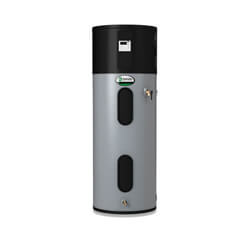


Subcategories
- Air to Water Heat Pump Controls & Parts: Air to water heat pump controls and parts cover the sensors, control boards, and components specific to air-to-water systems. These systems use outdoor air as a heat source but deliver that heat through a hydronic loop instead of ductwork. Technicians servicing these systems need parts matched to the specific control strategy the manufacturer uses, since air-to-water controls differ from standard air-to-air heat pump controls. This is a growing category as more radiant and hydronic systems adopt heat pumps in place of boilers.
- Air to Water Heat Pumps: Air to water heat pumps extract heat from outdoor air and transfer it into a water loop. They serve radiant floor heating, hydronic baseboard, or domestic hot water instead of blowing conditioned air through ducts. They are increasingly used as an electrified alternative to a gas or oil boiler in both new construction and boiler replacement projects. Sizing depends on the home's heat loss calculation and the hydronic system's design temperature, similar to sizing a boiler.
- Condenser Fan & Heat Pump Motors: Condenser fan and heat pump motors drive the outdoor unit's fan, keeping air moving across the coil in both heating and cooling mode. A failed motor is one of the more common heat pump repairs. Matching horsepower, rotation direction, and mounting configuration to the original motor is necessary for a proper replacement. Technicians keep commonly needed motor specs on hand for same-day service calls.
- Heat Pump Condensers: Heat pump condensers are the outdoor unit housing the compressor, coil, and fan that make up the outdoor half of a split heat pump system. Unlike a straight air conditioner condenser, a heat pump condenser includes a reversing valve so it can operate in both heating and cooling modes. Replacement condensers need to be matched to the indoor coil and system capacity for proper performance.
- Heat Pump Reversing Valves: Heat pump reversing valves switch the direction of refrigerant flow, letting the same system provide either heating or cooling depending on the position of the valve. It is one of the components that distinguishes a heat pump from a standard air conditioner. It is also a common point of failure that shows up as a system stuck in one mode. Replacement valves need to match the refrigerant type and tonnage of the system.
- Heat Pump Systems: Heat pump systems package the full outdoor condensing unit and matched indoor coil or air handler as a complete heating and cooling solution. The manufacturer sizes and rates them together. Buying a matched system rather than pairing components from different lines helps maintain the manufacturer's rated efficiency and keeps warranty coverage straightforward. Contractors specify complete systems most often on new construction or full equipment replacement jobs.
Buying Guide
Selecting a heat pump starts with a proper heat loss and heat gain calculation for the space. An undersized system will struggle in extreme weather, while an oversized system short-cycles and wastes energy.
Climate plays a bigger role in heat pump selection than it does for a straight air conditioner, since standard heat pumps lose heating capacity as outdoor temperatures drop. Cold-climate rated models maintain more of their heating output at lower outdoor temperatures. This matters for anyone specifying a heat pump as the primary heat source in a colder region rather than a supplement to existing heat.
Heat Pumps split broadly into air-to-air systems feeding ductwork or ductless heads, and air-to-water systems feeding a hydronic loop for radiant floors, baseboard, or domestic hot water. The distribution system already in the building, or planned for a new build, generally determines which type makes sense rather than picking a system type first.
For repair and replacement work, matching parts, such as reversing valves, condenser fan motors, and condensers, to the existing system's specifications keeps a repair from introducing compatibility problems. Mismatched refrigerant type or tonnage between a replacement part and the rest of the system is one of the more common causes of a repeat service call.
Whole heat pump systems bought as a matched set tend to perform closer to their rated efficiency than a system assembled from mismatched components. In a matched set, the manufacturer rates the outdoor condenser and indoor coil together. This matters most on new installations where the rated efficiency affects code compliance or a utility rebate.
Frequently Asked Questions
How does a heat pump provide both heating and cooling from one system?
A reversing valve switches the direction of refrigerant flow. This allows the same compressor and coils to absorb heat from outdoors and release it indoors, or the reverse, depending on the season. This is what distinguishes a heat pump from a standard air conditioner, which only operates in one direction.
Do heat pumps still work in cold climates?
Standard heat pumps lose some heating capacity as outdoor temperatures drop. Cold-climate rated models are designed to maintain more of their output at low temperatures. They are increasingly used as a primary heat source in colder regions. Backup heat, such as electric resistance heat, is still common for the coldest days.
What is the difference between an air-to-air and an air-to-water heat pump?
An air-to-air heat pump conditions air directly, feeding ductwork or ductless indoor units. An air-to-water heat pump transfers heat into a water loop that serves radiant floors, hydronic baseboard, or domestic hot water. The choice depends on the type of distribution system in the building.
What are common signs of a failing reversing valve?
A system stuck in only heating or only cooling mode, regardless of thermostat settings, is a common symptom of a reversing valve that has failed to switch positions. Diagnosis typically requires checking the valve's solenoid and confirming refrigerant pressures in both modes.
Why should a replacement condenser be matched to the existing indoor coil?
Heat pump systems are rated for efficiency and capacity as a matched pair of outdoor condenser and indoor coil. Installing a mismatched condenser can reduce performance below the rated efficiency and may affect manufacturer warranty coverage.
Resources

 --%3E %3C!DOCTYPE svg PUBLIC '-//W3C//DTD SVG 1.1//EN' 'http://www.w3.org/Graphics/SVG/1.1/DTD/svg11.dtd'%3E %3Csvg version='1.1' id='Layer_1' xmlns='http://www.w3.org/2000/svg' xmlns:xlink='http://www.w3.org/1999/xlink' x='0px' y='0px' width='90px' height='90px' viewBox='0 0 90 90' enable-background='new 0 0 90 90' xml:space='preserve'%3E %3Crect x='27' y='23' fill='%23FFFFFF' width='43' height='44'/%3E %3Cg%3E %3Cdefs%3E %3Crect id='SVGID_1_' width='90' height='90'/%3E %3C/defs%3E %3CclipPath id='SVGID_2_'%3E %3Cuse xlink:href='%23SVGID_1_' overflow='visible'/%3E %3C/clipPath%3E %3Cpath clip-path='url(%23SVGID_2_)' fill='%234186AD' d='M45,0C20.1,0,0,20.1,0,45c0,24.9,20.1,45,45,45c24.9,0,45-20.1,45-45 C90,20.1,69.9,0,45,0'/%3E %3C/g%3E %3Cpath fill='%23FFFFFF' d='M60.6,47.4l-22.5,14c-0.5,0.3-1,0.399-1.5,0.399s-0.9-0.1-1.4-0.399c-0.9-0.5-1.4-1.4-1.4-2.5v-28 c0-1,0.6-2,1.4-2.5c0.9-0.5,2-0.5,2.9,0.1l22.5,14.1C61.4,43.1,61.9,44,61.9,45S61.4,46.9,60.6,47.4'/%3E %3C/svg%3E)
Subcategories
- Air to Water Heat Pump Controls & Parts: Air to water heat pump controls and parts cover the sensors, control boards, and components specific to air-to-water systems. These systems use outdoor air as a heat source but deliver that heat through a hydronic loop instead of ductwork. Technicians servicing these systems need parts matched to the specific control strategy the manufacturer uses, since air-to-water controls differ from standard air-to-air heat pump controls. This is a growing category as more radiant and hydronic systems adopt heat pumps in place of boilers.
- Air to Water Heat Pumps: Air to water heat pumps extract heat from outdoor air and transfer it into a water loop. They serve radiant floor heating, hydronic baseboard, or domestic hot water instead of blowing conditioned air through ducts. They are increasingly used as an electrified alternative to a gas or oil boiler in both new construction and boiler replacement projects. Sizing depends on the home's heat loss calculation and the hydronic system's design temperature, similar to sizing a boiler.
- Condenser Fan & Heat Pump Motors: Condenser fan and heat pump motors drive the outdoor unit's fan, keeping air moving across the coil in both heating and cooling mode. A failed motor is one of the more common heat pump repairs. Matching horsepower, rotation direction, and mounting configuration to the original motor is necessary for a proper replacement. Technicians keep commonly needed motor specs on hand for same-day service calls.
- Heat Pump Condensers: Heat pump condensers are the outdoor unit housing the compressor, coil, and fan that make up the outdoor half of a split heat pump system. Unlike a straight air conditioner condenser, a heat pump condenser includes a reversing valve so it can operate in both heating and cooling modes. Replacement condensers need to be matched to the indoor coil and system capacity for proper performance.
- Heat Pump Reversing Valves: Heat pump reversing valves switch the direction of refrigerant flow, letting the same system provide either heating or cooling depending on the position of the valve. It is one of the components that distinguishes a heat pump from a standard air conditioner. It is also a common point of failure that shows up as a system stuck in one mode. Replacement valves need to match the refrigerant type and tonnage of the system.
- Heat Pump Systems: Heat pump systems package the full outdoor condensing unit and matched indoor coil or air handler as a complete heating and cooling solution. The manufacturer sizes and rates them together. Buying a matched system rather than pairing components from different lines helps maintain the manufacturer's rated efficiency and keeps warranty coverage straightforward. Contractors specify complete systems most often on new construction or full equipment replacement jobs.
Buying Guide
Selecting a heat pump starts with a proper heat loss and heat gain calculation for the space. An undersized system will struggle in extreme weather, while an oversized system short-cycles and wastes energy.
Climate plays a bigger role in heat pump selection than it does for a straight air conditioner, since standard heat pumps lose heating capacity as outdoor temperatures drop. Cold-climate rated models maintain more of their heating output at lower outdoor temperatures. This matters for anyone specifying a heat pump as the primary heat source in a colder region rather than a supplement to existing heat.
Heat Pumps split broadly into air-to-air systems feeding ductwork or ductless heads, and air-to-water systems feeding a hydronic loop for radiant floors, baseboard, or domestic hot water. The distribution system already in the building, or planned for a new build, generally determines which type makes sense rather than picking a system type first.
For repair and replacement work, matching parts, such as reversing valves, condenser fan motors, and condensers, to the existing system's specifications keeps a repair from introducing compatibility problems. Mismatched refrigerant type or tonnage between a replacement part and the rest of the system is one of the more common causes of a repeat service call.
Whole heat pump systems bought as a matched set tend to perform closer to their rated efficiency than a system assembled from mismatched components. In a matched set, the manufacturer rates the outdoor condenser and indoor coil together. This matters most on new installations where the rated efficiency affects code compliance or a utility rebate.
Frequently Asked Questions
How does a heat pump provide both heating and cooling from one system?
A reversing valve switches the direction of refrigerant flow. This allows the same compressor and coils to absorb heat from outdoors and release it indoors, or the reverse, depending on the season. This is what distinguishes a heat pump from a standard air conditioner, which only operates in one direction.
Do heat pumps still work in cold climates?
Standard heat pumps lose some heating capacity as outdoor temperatures drop. Cold-climate rated models are designed to maintain more of their output at low temperatures. They are increasingly used as a primary heat source in colder regions. Backup heat, such as electric resistance heat, is still common for the coldest days.
What is the difference between an air-to-air and an air-to-water heat pump?
An air-to-air heat pump conditions air directly, feeding ductwork or ductless indoor units. An air-to-water heat pump transfers heat into a water loop that serves radiant floors, hydronic baseboard, or domestic hot water. The choice depends on the type of distribution system in the building.
What are common signs of a failing reversing valve?
A system stuck in only heating or only cooling mode, regardless of thermostat settings, is a common symptom of a reversing valve that has failed to switch positions. Diagnosis typically requires checking the valve's solenoid and confirming refrigerant pressures in both modes.
Why should a replacement condenser be matched to the existing indoor coil?
Heat pump systems are rated for efficiency and capacity as a matched pair of outdoor condenser and indoor coil. Installing a mismatched condenser can reduce performance below the rated efficiency and may affect manufacturer warranty coverage.