




Filters
SORT
Product Availability –
Review Score –
 --%3E %3Csvg version='1.1' id='Fill' xmlns='http://www.w3.org/2000/svg' xmlns:xlink='http://www.w3.org/1999/xlink' x='0px' y='0px' viewBox='0 0 100 100' enable-background='new 0 0 100 100' xml:space='preserve'%3E %3Cpath fill='%23F15C02' d='M79.44,0.95H20.56C9.78,0.95,0.95,9.78,0.95,20.56v58.87c0,10.79,8.82,19.61,19.61,19.61h58.87 c10.79,0,19.61-8.83,19.61-19.61V20.56C99.05,9.78,90.22,0.95,79.44,0.95z M65.38,58.24l9.38,29.58L49.69,69.78L24.5,87.82 l9.34-29.6L8.8,39.6l30.73-0.17c0,0,6.98-19.61,10-28.93c0.54,1.36,9.88,29.1,9.88,29.1H91.2L65.38,58.24z'/%3E %3C/svg%3E)
 --%3E %3Csvg version='1.1' id='With-RB' xmlns='http://www.w3.org/2000/svg' xmlns:xlink='http://www.w3.org/1999/xlink' x='0px' y='0px' viewBox='0 0 100 100' enable-background='new 0 0 100 100' xml:space='preserve'%3E %3Cpath fill='%23FBC8B4' d='M79.44,0.95H20.56C9.78,0.95,0.95,9.78,0.95,20.56v58.87c0,10.79,8.82,19.61,19.61,19.61h58.87 c10.79,0,19.61-8.83,19.61-19.61V20.56C99.05,9.78,90.22,0.95,79.44,0.95z M65.38,58.24l9.38,29.58L49.69,69.78L24.5,87.82 l9.34-29.6L8.8,39.6l30.73-0.17c0,0,6.98-19.61,10-28.93c0.54,1.36,9.88,29.1,9.88,29.1H91.2L65.38,58.24z'/%3E %3C/svg%3E)
Price Range –
Informant 2 Parts & Accessories



 --%3E %3Csvg version='1.1' id='No-RB' xmlns='http://www.w3.org/2000/svg' xmlns:xlink='http://www.w3.org/1999/xlink' x='0px' y='0px' viewBox='0 0 100 100' enable-background='new 0 0 100 100' xml:space='preserve'%3E %3Cpath fill='%23CECECE' d='M79.44,0.95H20.56C9.78,0.95,0.95,9.78,0.95,20.56v58.87c0,10.79,8.82,19.61,19.61,19.61h58.87 c10.79,0,19.61-8.83,19.61-19.61V20.56C99.05,9.78,90.22,0.95,79.44,0.95z M65.38,58.24l9.38,29.58L49.69,69.78L24.5,87.82 l9.34-29.6L8.8,39.6l30.73-0.17c0,0,6.98-19.61,10-28.93c0.54,1.36,9.88,29.1,9.88,29.1H91.2L65.38,58.24z'/%3E %3C/svg%3E)

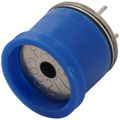
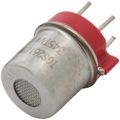
Informant 2 Parts & Accessories cover the replacement components and add-ons for the Bacharach Informant 2, a handheld refrigerant and combustible gas leak detector used by HVAC and refrigeration technicians in the field. Keeping a leak detector properly maintained means replacing worn sensors, probes, batteries, and other wear items rather than replacing the whole instrument when one component fails. A leak detector with a degraded sensor can miss small leaks or trigger false alarms, both of which cost a technician time and credibility on a service call. Genuine replacement parts help the Informant 2 continue meeting its original detection sensitivity and response time. Technicians who rely on this instrument for daily diagnostic work benefit from having common wear parts on hand rather than sending the unit out for service every time a sensor reaches the end of its service life.
Subcategories
- Replacement Sensors: The sensor is the component most likely to wear out on a leak detector, since it's directly exposed to refrigerant and combustion gases during every test. A sensor that's degraded from age or exposure can produce weaker readings or intermittent alarms even when a leak is present. Swapping in a new sensor restores the detector's original sensitivity without requiring a full instrument replacement.
- Probes & Wands: Probes and wands extend the sensor's reach into tight spaces like behind coils, along brazed joints, and inside cabinet panels where a leak is most likely to originate. A bent, cracked, or clogged probe can prevent gas from reaching the sensor even if the rest of the unit is working correctly. Replacing a damaged probe is often a quicker fix than troubleshooting inconsistent readings from the main unit.
- Batteries & Chargers: A dependable power source keeps a leak detector ready for field use, and worn out batteries or a failing charger are common reasons a unit won't power on for a job. Rechargeable battery packs designed for the Informant 2 hold the correct charge profile the unit expects, unlike standard consumer batteries.
- Calibration & Accessories: Routine calibration checks confirm a leak detector is still reading accurately after months of daily use, since sensor drift can happen gradually without an obvious symptom. Calibration gas kits and related accessories give a technician a way to verify performance between full service intervals.
Buying Guide
Keeping a Bacharach Informant 2 in reliable working condition comes down to replacing wear parts before they cause a missed reading in the field, not after a callback reveals the unit missed a leak. The sensor is the most common part to fail over time, and a technician who notices slower response times, more frequent false alarms, or an inability to calibrate correctly should check the sensor before assuming the whole unit needs service.
Informant 2 Parts & Accessories should be matched to the exact model and sensor type the unit uses, since leak detector sensors are often tuned to specific refrigerant types or combustible gases. Installing the wrong sensor can leave a technician with an instrument that reads inconsistently or fails to detect certain refrigerants at all.
Probes and wands wear out from repeated use in tight mechanical spaces, so keeping a spare on hand avoids losing a full day of diagnostic work to a bent or clogged tip. Battery packs should be replaced on the manufacturer's recommended cycle rather than waiting for a complete failure, since a leak detector that dies mid-inspection can mean returning to a job site. Building a small stock of sensors, probes, and batteries keeps a detector in service through its full useful life instead of forcing an early replacement of the entire unit.
Frequently Asked Questions
How often should the sensor in a Bacharach Informant 2 be replaced?
Sensor life depends on how often the unit is used and what gases it's exposed to, but a noticeable drop in sensitivity, more frequent false alarms, or difficulty calibrating are all signs the sensor has reached the end of its service life. Checking the sensor first when readings seem inconsistent avoids unnecessary troubleshooting elsewhere in the unit.
Can a damaged probe affect leak detection accuracy even if the sensor is fine?
Yes. A cracked, clogged, or bent probe can prevent gas from reaching the sensor even when the sensor itself is working correctly, which can look like a sensor problem when it's actually a probe issue. Inspecting the probe for physical damage is a quick first step before replacing more expensive components.
Why does the Informant 2 need a specific battery pack instead of standard batteries?
The unit's charging circuit and power draw are designed around a specific rechargeable battery pack, so substituting a different battery type can lead to inconsistent power delivery or a pack that won't hold a full charge. Using the correct replacement pack keeps runtime and charging behavior consistent with the original unit.
How does a technician know if the Informant 2 needs calibration versus a part replacement?
A unit that fails to calibrate at all despite a fresh sensor and undamaged probe often points to a deeper issue that may require factory service, while one that calibrates but drifts quickly afterward may just need a routine calibration check. Keeping a log of calibration results over time helps spot this pattern early.
Are Informant 2 replacement parts interchangeable with other Bacharach leak detector models?
Not generally. Sensors, probes, and batteries are typically designed for a specific instrument model, so parts made for a different Bacharach detector may not fit or perform correctly in the Informant 2. Confirming the exact model before ordering avoids a part that doesn't seat properly or match the unit's calibration settings.
