




HVAC Line Set Covers
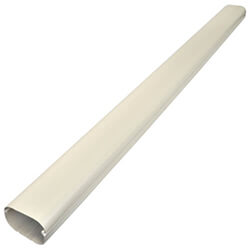
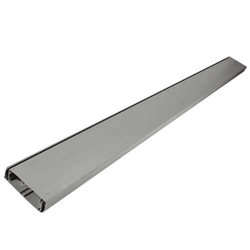
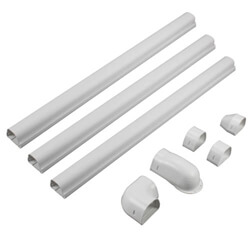
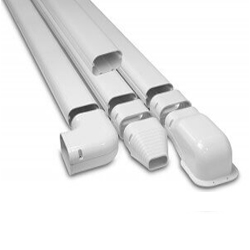
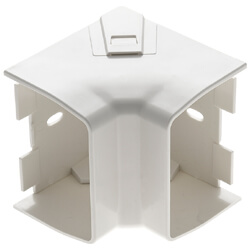
Line Set Covers are wall-mounted channel systems that conceal and protect the refrigerant lines, electrical wiring, and condensate drain. These run between a mini split or ductless system's indoor and outdoor units. Covers typically consist of a wall-mounted base and a snap-on channel that houses the lines along their exposed run, with fittings available for corners, wall penetrations, and other transitions.
Contractors install line set covers primarily for a cleaner finished appearance on exposed exterior or interior runs. The enclosure also shields the lines from UV exposure, physical damage, and pest intrusion. Matching the cover's channel width to the line set's outer diameter is the main sizing consideration.

Subcategories
- Airex Line Set Covers: Airex line set covers use a PVC channel and base system, with straight sections, corner fittings, and wall-entry pieces sized to match several duct diameters. Color options allow the cover to blend with common siding and stucco finishes. Contractors specify Airex covers for both residential and light commercial mini split installations where exposed line sets need a finished appearance.
- Bluefin Line Set Covers: Bluefin line set covers are SupplyHouse's private-label PVC channel and base system, offered in several duct diameters with matching corner and wall-entry fittings. The snap-together design allows the channel to be installed over the line set without disturbing existing wiring or refrigerant lines. Contractors specify Bluefin covers for residential and light commercial mini split installations.
- EasyGuard Line Set Covers: EasyGuard line set covers pair a PVC base and channel with a range of pre-formed fittings for corners, wall penetrations, and duct transitions. Multiple diameters and finish colors are available to match different line set sizes and building exteriors. Contractors specify EasyGuard covers on installations where matching the surrounding trim color is a priority.
- Fortress Line Set Covers: Fortress line set covers combine a PVC base and snap-on channel with fittings sized for corners, wall entries, and duct transitions across several diameters. The base mounts directly to the wall surface before the channel snaps into place over the line set. Contractors specify Fortress covers for both new installations and retrofits on existing mini split systems.
- Slimduct Line Set Covers: Slimduct line set covers use a PVC base and channel system available across multiple diameters, with a full range of matching fittings for corners, wall entries, and duct transitions. Color and finish options are available to match common exterior and interior surfaces. Contractors specify Slimduct covers for installations where a low-profile channel width is a priority.
- SpeediChannel Line Set Covers: SpeediChannel line set covers pair a PVC base with a snap-on channel and matching fittings for corners, wall entries, and duct transitions across several diameters. The system is designed for straightforward installation directly over an existing or new line set run. Contractors specify SpeediChannel covers for both residential and light commercial mini split installations.
Buying Guide
Selecting a line set cover starts with measuring the outer diameter of the line set bundle. Include the refrigerant lines, electrical conduit, and condensate drain if they're routed together. The cover's channel needs to accommodate the full bundle rather than the refrigerant lines alone.
Channel length requirements depend on the total run between the indoor and outdoor units, including any vertical rise along an exterior wall. Corner fittings, wall-entry fittings, and duct-transition pieces are typically sold separately from the straight channel sections. Planning the full route in advance helps identify how many of each fitting type the installation needs.
Color and finish options let the cover blend with the building's siding, stucco, or interior trim, which matters most on runs visible from the street or a common area. Matching the cover color to the surrounding surface is a common request on residential installations where appearance is a priority alongside protection.
Covers installed on exterior runs face more UV exposure and temperature swings than interior runs. Confirming the product's rated exposure conditions before installation helps avoid premature cracking or fading. Interior runs have fewer exposure concerns and can prioritize a low-profile channel width instead.
Ordering corner and transition fittings that match the straight channel's brand and diameter avoids compatibility issues at joints. Channel profiles vary enough between manufacturers that fittings aren't always interchangeable across brands. Confirming brand and diameter consistency across the full order is the most reliable way to get a complete, properly fitting cover system.
Frequently Asked Questions
What size line set cover do I need?
Cover size is based on the outer diameter of the full line set bundle, including refrigerant lines, electrical conduit, and the condensate drain if routed together. Measuring the bundle at its widest point before ordering helps confirm the correct channel diameter.
Can line set cover fittings be mixed between brands?
Generally, no. Channel profiles and connection points vary enough between manufacturers that fittings from one brand typically won't seat correctly on another brand's channel. Ordering fittings from the same brand and diameter as the straight channel avoids fit issues at joints.
Are line set covers rated for outdoor use?
Line set covers are installed on exposed exterior runs, but those runs see more UV exposure and temperature swings than interior runs. Confirm the product's rated exposure conditions before installing on a sun-exposed exterior wall to help avoid premature cracking or fading.
Do line set covers need to be painted?
Not necessarily. Color and finish options let the cover blend with the building's siding, stucco, or interior trim. Choosing a matching color is a common approach on residential installations where appearance is a priority.
Are corner and wall-entry fittings sold separately from the channel?
Corner fittings, wall-entry fittings, and duct-transition pieces are typically sold separately from the straight channel sections. Planning the full route before ordering helps identify how many of each fitting type are needed.
Resources
Subcategories
- Airex Line Set Covers: Airex line set covers use a PVC channel and base system, with straight sections, corner fittings, and wall-entry pieces sized to match several duct diameters. Color options allow the cover to blend with common siding and stucco finishes. Contractors specify Airex covers for both residential and light commercial mini split installations where exposed line sets need a finished appearance.
- Bluefin Line Set Covers: Bluefin line set covers are SupplyHouse's private-label PVC channel and base system, offered in several duct diameters with matching corner and wall-entry fittings. The snap-together design allows the channel to be installed over the line set without disturbing existing wiring or refrigerant lines. Contractors specify Bluefin covers for residential and light commercial mini split installations.
- EasyGuard Line Set Covers: EasyGuard line set covers pair a PVC base and channel with a range of pre-formed fittings for corners, wall penetrations, and duct transitions. Multiple diameters and finish colors are available to match different line set sizes and building exteriors. Contractors specify EasyGuard covers on installations where matching the surrounding trim color is a priority.
- Fortress Line Set Covers: Fortress line set covers combine a PVC base and snap-on channel with fittings sized for corners, wall entries, and duct transitions across several diameters. The base mounts directly to the wall surface before the channel snaps into place over the line set. Contractors specify Fortress covers for both new installations and retrofits on existing mini split systems.
- Slimduct Line Set Covers: Slimduct line set covers use a PVC base and channel system available across multiple diameters, with a full range of matching fittings for corners, wall entries, and duct transitions. Color and finish options are available to match common exterior and interior surfaces. Contractors specify Slimduct covers for installations where a low-profile channel width is a priority.
- SpeediChannel Line Set Covers: SpeediChannel line set covers pair a PVC base with a snap-on channel and matching fittings for corners, wall entries, and duct transitions across several diameters. The system is designed for straightforward installation directly over an existing or new line set run. Contractors specify SpeediChannel covers for both residential and light commercial mini split installations.
Buying Guide
Selecting a line set cover starts with measuring the outer diameter of the line set bundle. Include the refrigerant lines, electrical conduit, and condensate drain if they're routed together. The cover's channel needs to accommodate the full bundle rather than the refrigerant lines alone.
Channel length requirements depend on the total run between the indoor and outdoor units, including any vertical rise along an exterior wall. Corner fittings, wall-entry fittings, and duct-transition pieces are typically sold separately from the straight channel sections. Planning the full route in advance helps identify how many of each fitting type the installation needs.
Color and finish options let the cover blend with the building's siding, stucco, or interior trim, which matters most on runs visible from the street or a common area. Matching the cover color to the surrounding surface is a common request on residential installations where appearance is a priority alongside protection.
Covers installed on exterior runs face more UV exposure and temperature swings than interior runs. Confirming the product's rated exposure conditions before installation helps avoid premature cracking or fading. Interior runs have fewer exposure concerns and can prioritize a low-profile channel width instead.
Ordering corner and transition fittings that match the straight channel's brand and diameter avoids compatibility issues at joints. Channel profiles vary enough between manufacturers that fittings aren't always interchangeable across brands. Confirming brand and diameter consistency across the full order is the most reliable way to get a complete, properly fitting cover system.
Frequently Asked Questions
What size line set cover do I need?
Cover size is based on the outer diameter of the full line set bundle, including refrigerant lines, electrical conduit, and the condensate drain if routed together. Measuring the bundle at its widest point before ordering helps confirm the correct channel diameter.
Can line set cover fittings be mixed between brands?
Generally, no. Channel profiles and connection points vary enough between manufacturers that fittings from one brand typically won't seat correctly on another brand's channel. Ordering fittings from the same brand and diameter as the straight channel avoids fit issues at joints.
Are line set covers rated for outdoor use?
Line set covers are installed on exposed exterior runs, but those runs see more UV exposure and temperature swings than interior runs. Confirm the product's rated exposure conditions before installing on a sun-exposed exterior wall to help avoid premature cracking or fading.
Do line set covers need to be painted?
Not necessarily. Color and finish options let the cover blend with the building's siding, stucco, or interior trim. Choosing a matching color is a common approach on residential installations where appearance is a priority.
Are corner and wall-entry fittings sold separately from the channel?
Corner fittings, wall-entry fittings, and duct-transition pieces are typically sold separately from the straight channel sections. Planning the full route before ordering helps identify how many of each fitting type are needed.