



Filters
SORT
Product Availability –
Product Type –
Size –
Color –
Review Score –
 --%3E %3Csvg version='1.1' id='Fill' xmlns='http://www.w3.org/2000/svg' xmlns:xlink='http://www.w3.org/1999/xlink' x='0px' y='0px' viewBox='0 0 100 100' enable-background='new 0 0 100 100' xml:space='preserve'%3E %3Cpath fill='%23F15C02' d='M79.44,0.95H20.56C9.78,0.95,0.95,9.78,0.95,20.56v58.87c0,10.79,8.82,19.61,19.61,19.61h58.87 c10.79,0,19.61-8.83,19.61-19.61V20.56C99.05,9.78,90.22,0.95,79.44,0.95z M65.38,58.24l9.38,29.58L49.69,69.78L24.5,87.82 l9.34-29.6L8.8,39.6l30.73-0.17c0,0,6.98-19.61,10-28.93c0.54,1.36,9.88,29.1,9.88,29.1H91.2L65.38,58.24z'/%3E %3C/svg%3E)
 --%3E %3Csvg version='1.1' id='With-RB' xmlns='http://www.w3.org/2000/svg' xmlns:xlink='http://www.w3.org/1999/xlink' x='0px' y='0px' viewBox='0 0 100 100' enable-background='new 0 0 100 100' xml:space='preserve'%3E %3Cpath fill='%23FBC8B4' d='M79.44,0.95H20.56C9.78,0.95,0.95,9.78,0.95,20.56v58.87c0,10.79,8.82,19.61,19.61,19.61h58.87 c10.79,0,19.61-8.83,19.61-19.61V20.56C99.05,9.78,90.22,0.95,79.44,0.95z M65.38,58.24l9.38,29.58L49.69,69.78L24.5,87.82 l9.34-29.6L8.8,39.6l30.73-0.17c0,0,6.98-19.61,10-28.93c0.54,1.36,9.88,29.1,9.88,29.1H91.2L65.38,58.24z'/%3E %3C/svg%3E)
Price Range –
Fortress Line Set Covers



 --%3E %3Csvg version='1.1' id='Half' xmlns='http://www.w3.org/2000/svg' xmlns:xlink='http://www.w3.org/1999/xlink' x='0px' y='0px' viewBox='0 0 100 100' enable-background='new 0 0 100 100' xml:space='preserve'%3E %3Cg%3E %3Cpath fill='%23F15C02' d='M30.05,70.23l3.79-12.01L8.8,39.6l30.73-0.17c0,0,6.98-19.61,10-28.93c0.54,1.36,9.88,29.1,9.88,29.1h1.58 L93.71,7.18c-3.58-3.82-8.66-6.23-14.28-6.23H20.56C9.78,0.95,0.95,9.78,0.95,20.56v58.87c0,5.41,2.22,10.32,5.79,13.88 L30.05,70.23z'/%3E %3C/g%3E %3Cpath fill='%23FBC8B4' d='M93.71,7.18L60.98,39.6H91.2L65.38,58.24l9.38,29.58L49.69,69.78L24.5,87.82l5.55-17.59L6.75,93.32 c3.55,3.54,8.44,5.73,13.82,5.73h58.87c10.79,0,19.61-8.83,19.61-19.61V20.56C99.05,15.4,97.01,10.69,93.71,7.18z'/%3E %3C/svg%3E)
 --%3E %3Csvg version='1.1' id='No-RB' xmlns='http://www.w3.org/2000/svg' xmlns:xlink='http://www.w3.org/1999/xlink' x='0px' y='0px' viewBox='0 0 100 100' enable-background='new 0 0 100 100' xml:space='preserve'%3E %3Cpath fill='%23CECECE' d='M79.44,0.95H20.56C9.78,0.95,0.95,9.78,0.95,20.56v58.87c0,10.79,8.82,19.61,19.61,19.61h58.87 c10.79,0,19.61-8.83,19.61-19.61V20.56C99.05,9.78,90.22,0.95,79.44,0.95z M65.38,58.24l9.38,29.58L49.69,69.78L24.5,87.82 l9.34-29.6L8.8,39.6l30.73-0.17c0,0,6.98-19.61,10-28.93c0.54,1.36,9.88,29.1,9.88,29.1H91.2L65.38,58.24z'/%3E %3C/svg%3E)
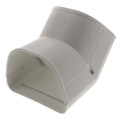
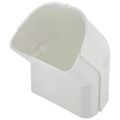
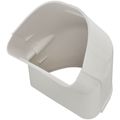
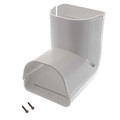

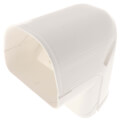
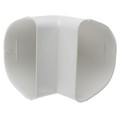
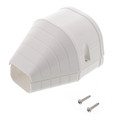
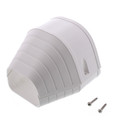
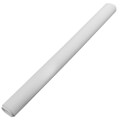
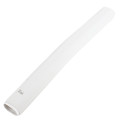
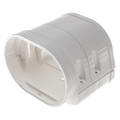
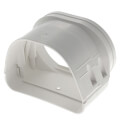

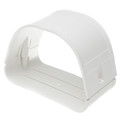
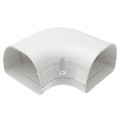
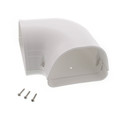
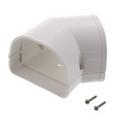
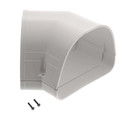
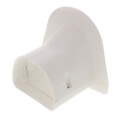
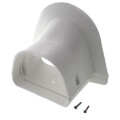
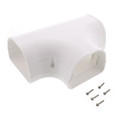


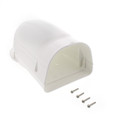
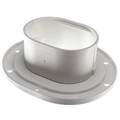
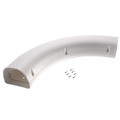
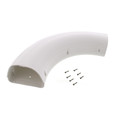
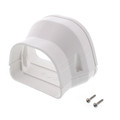
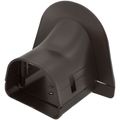
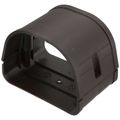
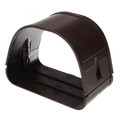
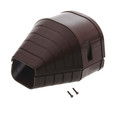
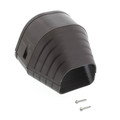
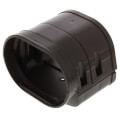
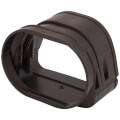
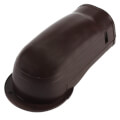
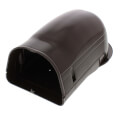
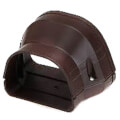
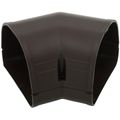
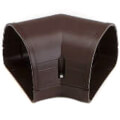
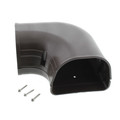

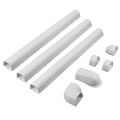
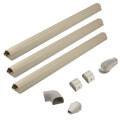
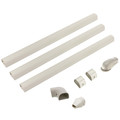
Fortress line set covers are rigid PVC channel systems built to conceal and protect the refrigerant lines, electrical wiring, and condensate drain that run between a ductless mini-split or split-system air conditioner's indoor and outdoor units. Mounted along an exterior wall, the covers shield copper tubing and low-voltage wiring from sun exposure, impact, and pest intrusion while giving the installation a finished look that blends with the building exterior. HVAC installers rely on these systems for new mini-split installs, split-system retrofits, and any job where the line set has to travel across a visible wall rather than through it. A typical system pairs a mounting channel with a snap-fit cover and includes fittings such as corners, tees, and end caps so the run can follow the building's actual layout instead of a straight path. The covers come in multiple diameters and finish colors, giving installers options to match siding, trim, or masonry. A properly sized cover keeps line insulation out of direct sunlight, which cuts down on the cracking and degradation that leads to refrigerant leaks over time.
Subcategories
- Base Channels: Base channels anchor to the exterior wall with screws and act as the backbone of the line set cover system. Installers select a channel size that matches the outside diameter of the bundled, insulated line set, since a channel that is too tight can crack the cover over time. The channel holds the line set in place while the outer cover snaps on, so accurate wall layout matters before cutting or drilling. Contractors working on stucco or masonry walls often add wall-specific anchors to keep the base secure long-term.
- Snap-Fit Covers: Snap-fit covers are the visible outer piece that locks onto the base channel and hides the line set from view. They come in several finish colors, including white and shades meant to match common siding tones, so the run does not stand out against the building exterior. Covers can be cut to length on site with a standard hand saw, letting installers fit runs around windows, vents, or other obstacles. Removing a cover for future service is straightforward since it simply unsnaps from the base channel.
- Corner and Tee Fittings: Corner and tee fittings let a line set cover change direction or branch off to serve a second indoor unit without exposing the lines at the transition point. Inside corners, outside corners, and offset fittings are sized to match the base channel so the whole run stays sealed against weather. Multi-zone mini-split installs, where one outdoor unit feeds several indoor heads, depend on tee fittings to route lines to different rooms. Matching the fitting finish to the cover keeps transition points from standing out visually.
- End Caps and Wall Inlets: End caps close off the exposed ends of a line set cover run where it terminates at the indoor or outdoor unit, keeping insects and moisture out of the channel. Wall inlet fittings create the opening where the line set passes through the exterior wall, and most include a rubber grommet or boot to seal around the tubing bundle. Installers pick an inlet size based on the outside diameter of the insulated line set bundle plus any low-voltage wiring. A properly sealed inlet is one of the more common inspection points on ductless installs, since gaps there let moisture into wall cavities.
Buying Guide
Choosing the right Fortress line set cover kit starts with measuring the outside diameter of the bundled, insulated line set plus any control wiring that will run alongside it. Channel sizes are offered to match a range of bundled line set diameters, and selecting one too small forces the cover to bow or crack over time, while one too large leaves gaps that let moisture and pests inside. Run length matters next: a straight wall run needs only base channel, cover, and end caps, but any wall with corners, windows, or multiple outdoor units calls for the matching fitting kit purchased alongside the main system rather than improvised with generic trim.
Color selection deserves attention before the order goes in, since covers are far easier to match to siding or trim at time of purchase than to repaint later without voiding a warranty. Fortress Line Set Covers ship in finish options meant to blend with common exterior colors, and ordering a sample piece before a full job can save a return trip. For multi-zone systems, tee and wye fittings should be selected based on how many indoor units the outdoor unit serves and where each line branches off. Contractors doing volume mini-split work often keep a stock of the most common channel size and a handful of corner and end cap fittings on hand, since these fittings get reused across most residential installs regardless of the specific equipment brand.
Frequently Asked Questions
What size line set cover is needed for a mini-split install?
Measure the outside diameter of the insulated, bundled line set including any control wiring that will run through the channel, then round up to the nearest available channel size rather than down. A tight fit can crack the cover over time as the bundle settles. Most single-zone residential installs use one of the smaller or mid-range channel sizes offered in the lineup.
Can a line set cover be painted to match a specific siding color?
Rigid PVC covers can be painted with exterior-grade paint formulated for plastic, though doing so may affect the manufacturer warranty on the finish. Choosing from the available factory finish colors before installation avoids that tradeoff entirely. Sample pieces are useful for checking a color match against the building exterior before ordering a full kit.
How are corners and direction changes handled in a line set cover run?
Dedicated corner fittings, sized to match the base channel, snap onto the run wherever it changes direction. Inside corners, outside corners, and offset fittings cover most wall configurations without cutting or improvising a joint. Ordering the fitting kit alongside the base system keeps the finish and size consistent throughout the run.
What tools are needed to install a line set cover?
A standard hand saw or miter saw handles cutting the base channel and cover to length, and a drill is needed to anchor the base channel to the wall. No specialty tools are required beyond what a typical HVAC or general contracting crew already carries. Stucco or masonry walls may call for additional anchors not included in the base kit.
Do line set covers help prevent refrigerant line damage?
Covering exposed line sets protects the insulation from UV exposure, one of the more common causes of insulation cracking and subsequent line sweating or efficiency loss over time. The rigid cover also protects the tubing from impact damage from lawn equipment, foot traffic, or falling debris. Keeping the line set enclosed extends the service life of the insulation compared with leaving it exposed to the elements.
