




Motors & Accessories
Motors and accessories cover the mechanical drive components that keep HVAC blowers and fans running, including bearings, belts, and pulleys for belt-drive systems along with blower wheels and shafts that move air through the ductwork.
A worn belt or bearing is one of the most common sources of noise complaints on an HVAC system, making these parts frequent stock items for service technicians. Matching blower wheel size and pulley ratio to the original equipment keeps airflow and motor load within the system's designed specifications.

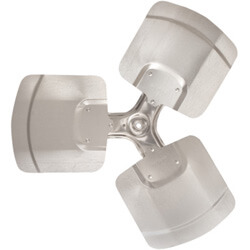



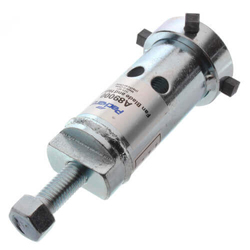

Subcategories
- Bearings: Bearings support the rotating shafts in blower wheels, motors, and other HVAC components, and worn bearings are a common source of grinding or squealing noise. Replacing a bearing early, before it fails completely, can prevent damage to the shaft or housing it supports.
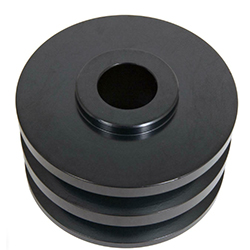
- Belt Pulleys: Belt pulleys, along with sheaves, transmit motor power to a blower wheel or fan through a belt drive. Pulley size directly affects blower speed and airflow, so swapping a pulley for a different size is a common way to adjust system airflow within the motor's rated capacity.
- Belts: Belts drive blower wheels and fans in belt-drive HVAC systems, and a worn or glazed belt is a frequent cause of reduced airflow or a squealing noise at startup. Matching belt length and width to the pulley setup keeps proper tension and drive efficiency.
- Blower Shafts & Parts: Blower shafts and parts include the shafts, keys, and related hardware that connect a motor to a blower wheel in belt-drive and direct-drive assemblies. A bent or worn shaft can cause vibration that shows up as noise complaints even when the motor itself tests fine.
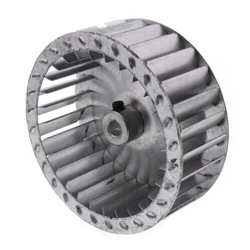
- Blower Wheels: Blower wheels move air through the HVAC system's ductwork, and wheel size and blade configuration are matched to the equipment's airflow requirements. A wheel that's out of balance or has debris buildup can cause the same vibration symptoms as a failing motor or bearing.
- Bushings: Bushings mount pulleys and sheaves to a shaft and allow the same pulley to fit multiple shaft diameters using an interchangeable bushing size. Keeping a small assortment of bushing sizes on hand covers most belt-drive pulley replacements without needing a shaft-specific part.
Buying Guide
Replacing a motor starts with matching horsepower, voltage, RPM, and frame or mounting configuration to the original unit, since a mismatch in any of these specs can cause premature failure or improper airflow. Pulling the nameplate data off the failed motor before ordering is the most reliable way to avoid a return trip.
For belt-drive systems, pulley and sheave sizing determines blower speed within the motor's rated horsepower, so changing a pulley size is a common way to fine-tune airflow without replacing the motor. Confirming that the new blower speed stays within the equipment manufacturer's specified range protects both the motor and the ductwork.
Bearing and bushing selection depends on shaft diameter and load type, and using the correct bushing lets a single pulley design fit multiple shaft sizes. Mixing an incorrect bushing size with a pulley can cause slippage or premature wear even when the pulley itself is the right part.
Belt selection depends on the pulley center distance and groove profile already in use, and a belt that's too loose or too tight will wear unevenly and shorten the life of both the belt and the bearings it drives. Checking belt tension against the equipment manufacturer's specification, rather than by feel alone, gives a more consistent result.
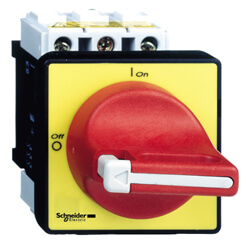
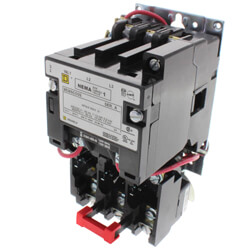
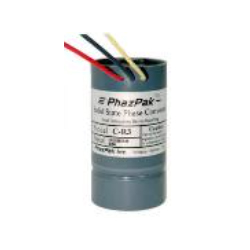
Electrical accessories such as disconnect switches and variable frequency drives need to match the motor's voltage, phase, and full-load amperage. A variable frequency drive in particular needs to be sized to the motor's specific electrical characteristics rather than just its horsepower rating.
Frequently Asked Questions
How do I size a replacement motor for an existing HVAC unit?
Matching the horsepower, voltage, RPM, and frame size listed on the original motor's nameplate is the standard approach. Rotation direction and shaft diameter also need to match, since getting either wrong can require additional rework.
Can I change blower speed by swapping the pulley instead of the motor?
Yes, adjusting pulley size on a belt-drive system is a common way to change blower speed within the motor's rated capacity. Staying within the equipment manufacturer's airflow specifications keeps the change from overloading the motor.
What causes a squealing noise from a belt-drive blower?
A loose or glazed belt is the most common cause, though a misaligned pulley or a failing bearing can produce a similar sound. Checking belt tension and alignment first usually resolves the noise without a bearing replacement.
Do bushings need to match a specific pulley brand?
Bushings are generally standardized by size class, so a compatible bushing from a different brand will typically fit as long as the size class matches. Confirming the bushing size against the pulley's specification sheet avoids a mismatch.
When is a variable frequency drive needed instead of a standard disconnect?
A variable frequency drive is used when the application calls for adjustable motor speed rather than simple on-off control. A standard disconnect switch is sufficient for motors that run at a fixed speed.
Resources
Subcategories
- Bearings: Bearings support the rotating shafts in blower wheels, motors, and other HVAC components, and worn bearings are a common source of grinding or squealing noise. Replacing a bearing early, before it fails completely, can prevent damage to the shaft or housing it supports.
- Belt Pulleys: Belt pulleys, along with sheaves, transmit motor power to a blower wheel or fan through a belt drive. Pulley size directly affects blower speed and airflow, so swapping a pulley for a different size is a common way to adjust system airflow within the motor's rated capacity.
- Belts: Belts drive blower wheels and fans in belt-drive HVAC systems, and a worn or glazed belt is a frequent cause of reduced airflow or a squealing noise at startup. Matching belt length and width to the pulley setup keeps proper tension and drive efficiency.
- Blower Shafts & Parts: Blower shafts and parts include the shafts, keys, and related hardware that connect a motor to a blower wheel in belt-drive and direct-drive assemblies. A bent or worn shaft can cause vibration that shows up as noise complaints even when the motor itself tests fine.
- Blower Wheels: Blower wheels move air through the HVAC system's ductwork, and wheel size and blade configuration are matched to the equipment's airflow requirements. A wheel that's out of balance or has debris buildup can cause the same vibration symptoms as a failing motor or bearing.
- Bushings: Bushings mount pulleys and sheaves to a shaft and allow the same pulley to fit multiple shaft diameters using an interchangeable bushing size. Keeping a small assortment of bushing sizes on hand covers most belt-drive pulley replacements without needing a shaft-specific part.
Buying Guide
Replacing a motor starts with matching horsepower, voltage, RPM, and frame or mounting configuration to the original unit, since a mismatch in any of these specs can cause premature failure or improper airflow. Pulling the nameplate data off the failed motor before ordering is the most reliable way to avoid a return trip.
For belt-drive systems, pulley and sheave sizing determines blower speed within the motor's rated horsepower, so changing a pulley size is a common way to fine-tune airflow without replacing the motor. Confirming that the new blower speed stays within the equipment manufacturer's specified range protects both the motor and the ductwork.
Bearing and bushing selection depends on shaft diameter and load type, and using the correct bushing lets a single pulley design fit multiple shaft sizes. Mixing an incorrect bushing size with a pulley can cause slippage or premature wear even when the pulley itself is the right part.
Belt selection depends on the pulley center distance and groove profile already in use, and a belt that's too loose or too tight will wear unevenly and shorten the life of both the belt and the bearings it drives. Checking belt tension against the equipment manufacturer's specification, rather than by feel alone, gives a more consistent result.
Electrical accessories such as disconnect switches and variable frequency drives need to match the motor's voltage, phase, and full-load amperage. A variable frequency drive in particular needs to be sized to the motor's specific electrical characteristics rather than just its horsepower rating.
Frequently Asked Questions
How do I size a replacement motor for an existing HVAC unit?
Matching the horsepower, voltage, RPM, and frame size listed on the original motor's nameplate is the standard approach. Rotation direction and shaft diameter also need to match, since getting either wrong can require additional rework.
Can I change blower speed by swapping the pulley instead of the motor?
Yes, adjusting pulley size on a belt-drive system is a common way to change blower speed within the motor's rated capacity. Staying within the equipment manufacturer's airflow specifications keeps the change from overloading the motor.
What causes a squealing noise from a belt-drive blower?
A loose or glazed belt is the most common cause, though a misaligned pulley or a failing bearing can produce a similar sound. Checking belt tension and alignment first usually resolves the noise without a bearing replacement.
Do bushings need to match a specific pulley brand?
Bushings are generally standardized by size class, so a compatible bushing from a different brand will typically fit as long as the size class matches. Confirming the bushing size against the pulley's specification sheet avoids a mismatch.
When is a variable frequency drive needed instead of a standard disconnect?
A variable frequency drive is used when the application calls for adjustable motor speed rather than simple on-off control. A standard disconnect switch is sufficient for motors that run at a fixed speed.