




Motors and Draft Inducers
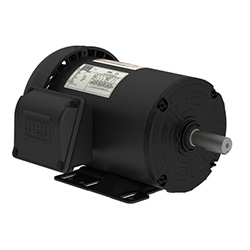
Motors and draft inducers move air and vent combustion byproducts. They also run blower assemblies in furnaces, air handlers, and rooftop units. Contractors turn to this category when a failed condenser fan motor, blower motor, or inducer draft motor takes a system offline. Matching horsepower, RPM, and frame size to the original equipment keeps replacement straightforward.
The lineup spans multiple manufacturers and motor types. It includes PSC motors, ECM motors, gear motors, and HVAC-rated fan motors. These cover residential split systems and light commercial equipment. Technicians rely on stocked cross-reference options to get a system back online without waiting on an OEM part number that may be discontinued or backordered.
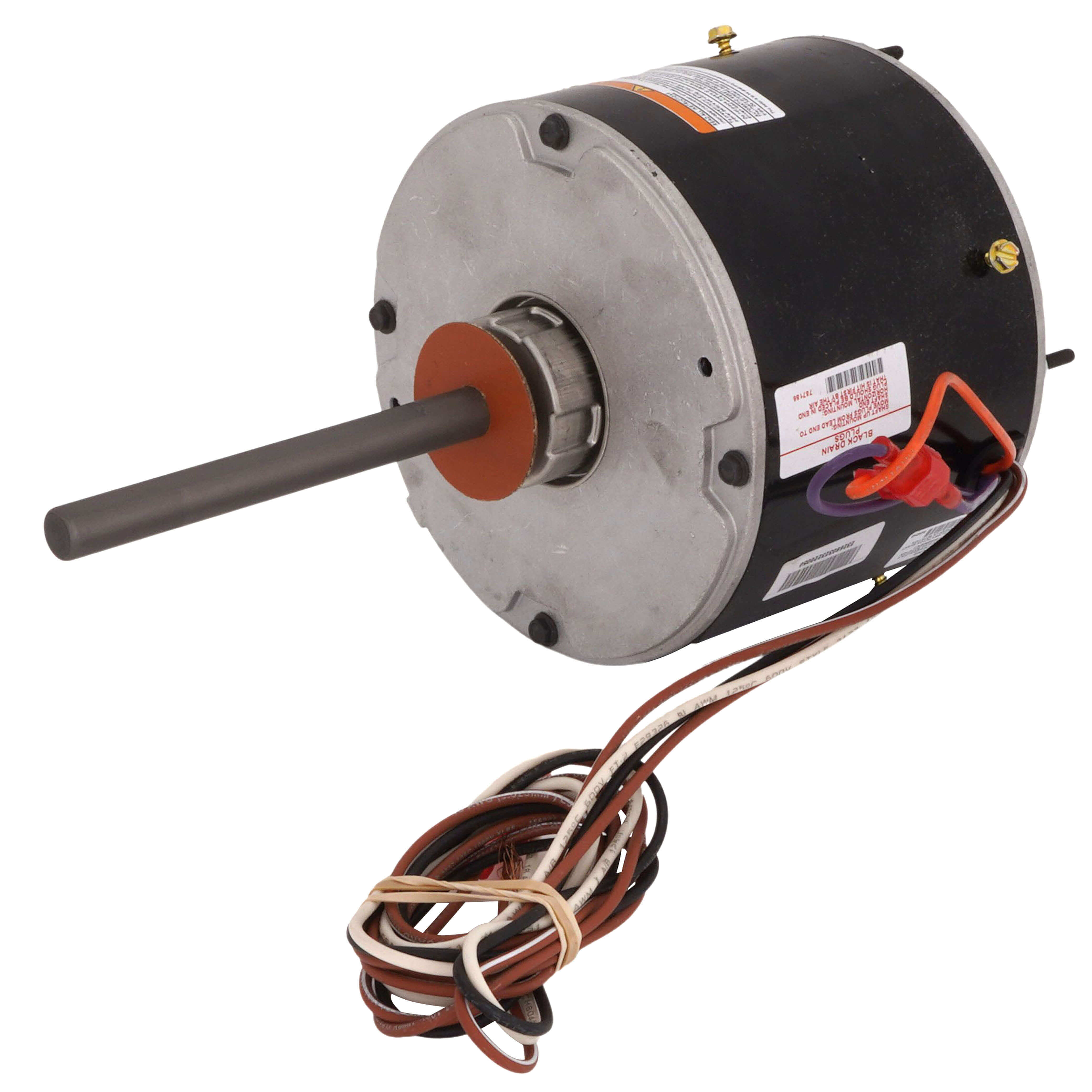
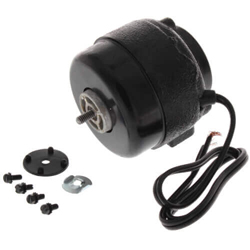
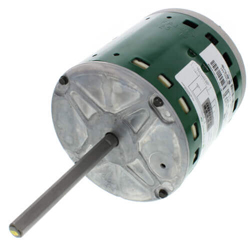
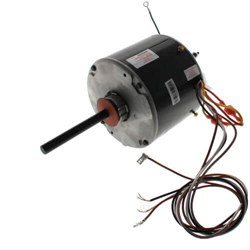
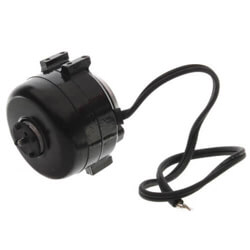
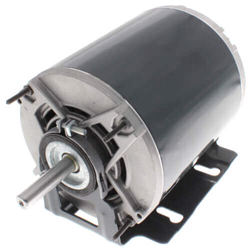
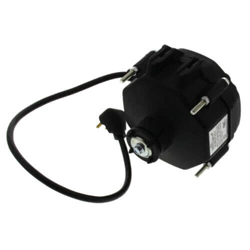
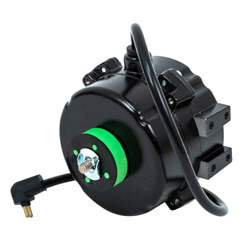
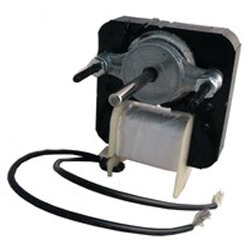
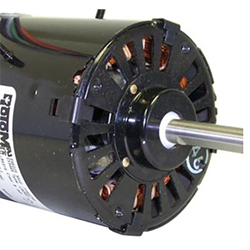
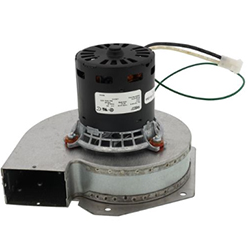
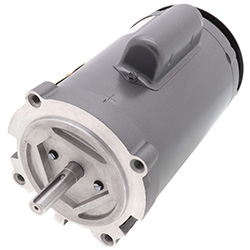
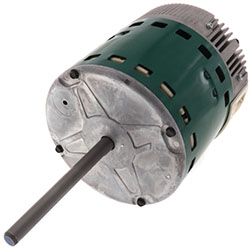

Subcategories
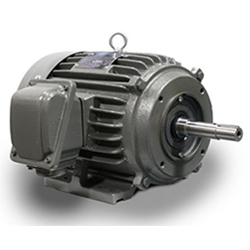
- Baldor Motors: Baldor Motors produces industrial and HVAC-grade electric motors used in blower and fan applications where continuous duty cycles are common. Technicians specify Baldor when a job calls for a rugged frame and consistent torque under heavier air handling loads. The line covers a range of horsepower and voltage configurations suited to commercial equipment.
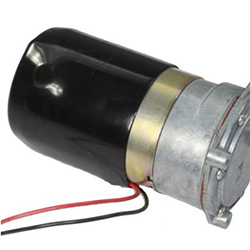
- Century Motors: Century Motors supplies PSC and shaded-pole replacement motors commonly used in residential furnaces, air handlers, and condensing units. Contractors use Century as a direct cross-reference option when an OEM motor is unavailable or priced out of range for a routine repair. The catalog includes multiple horsepower, speed, and rotation configurations to match common frame sizes.
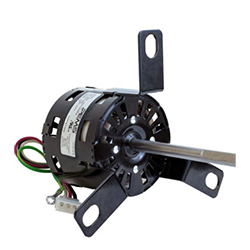
- DiversiTech Motors: DiversiTech Motors offers replacement blower and condenser fan motors built for field service work on residential and light commercial systems. The line focuses on parts that ship complete with mounting hardware and capacitors sized to the motor, reducing the number of separate components a technician needs to source. DiversiTech parts are a common substitute when speed and rotation match an aging OEM motor.
- EC Max Motors: EC Max Motors are electronically commutated replacement motors designed to cross over PSC motor applications while running at lower amp draw. Contractors choose this line on jobs where a customer wants an efficiency upgrade during a motor replacement rather than a like-for-like PSC swap. Wiring and control inputs are built to simplify the changeover from single-speed PSC motors.
- ECM Motors: ECM Motors covers variable-speed, electronically commutated blower motors used in furnaces and air handlers that call for programmable airflow control. These motors adjust torque and speed based on system demand, which can smooth out temperature swings compared to fixed-speed PSC motors. Programming modules and control boards are matched to the motor for a complete replacement.
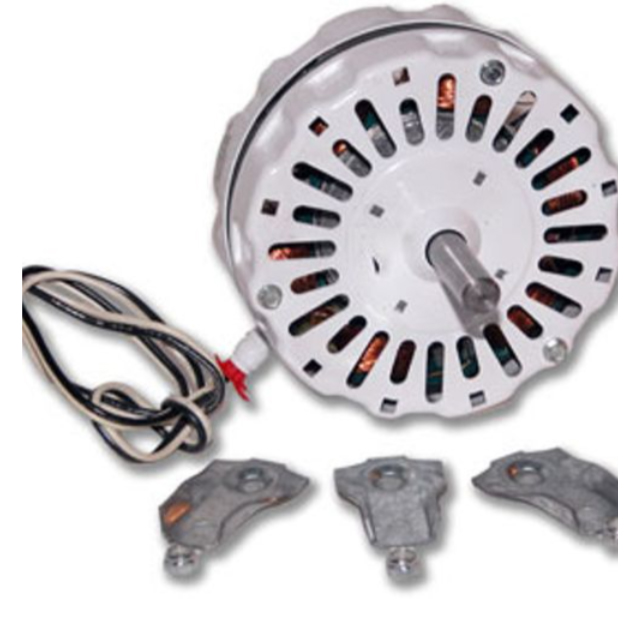
- Fasco Motors: Fasco Motors manufactures draft inducer motors, blower motors, and OEM replacement parts widely used across furnace and boiler applications. The Fasco line is a frequent match for older residential equipment where the original inducer motor has been discontinued. Motors are available in multiple RPM and horsepower ratings to fit direct-drive and belt-drive setups.
Buying Guide
Replacing a failed motor or draft inducer starts with matching the original part's electrical and physical specifications rather than assuming a same-brand replacement will fit. Horsepower, voltage, RPM, and frame size all need to line up with the equipment manufacturer's requirements. An undersized or mismatched motor can shorten the life of a blower assembly. It can also fail to move the airflow a furnace or air handler was designed around. Pulling the nameplate data off the existing motor before ordering is the most reliable way to confirm a proper match.
Contractors choosing between PSC and ECM replacement motors should weigh the job's airflow requirements against the customer's budget and any efficiency goals. PSC motors remain a straightforward, lower-cost option for single-speed applications, while ECM motors handle variable airflow demands and typically draw less current at partial load. Swapping a PSC motor for an ECM replacement usually requires a compatible control board, so confirming wiring compatibility before ordering avoids a return trip.
Shaft length, diameter, and rotation direction (clockwise, counterclockwise, or reversible) matter as much as horsepower when a motor drives a squirrel-cage blower or direct-drive fan. A motor with the wrong rotation will move air backward through the assembly, and a shaft that's too short or too long can prevent proper wheel engagement. Checking these details against the original part avoids a mismatch that surfaces only after installation.
Draft inducer motors carry an added layer of compatibility since they often pair with a pressure switch calibrated to a specific CFM output. Swapping in an inducer motor with a different airflow rating can throw the pressure switch out of range, triggering nuisance lockouts or preventing ignition altogether. Cross-referencing the inducer assembly as a complete unit, rather than the motor alone, helps keep the pressure switch and motor working together as designed.
Once the physical and electrical specs line up, the motor is ready to order. Keeping the original nameplate or part number on hand when placing an order reduces the chance of a return for the wrong motor.
Frequently Asked Questions
How do I know if a motor is PSC or ECM?
Check the nameplate for a wiring diagram and run capacitor rating. PSC motors list a run capacitor value in microfarads and use a simple wiring diagram. ECM motors include a wiring harness for a control module and won't show a capacitor rating. If the equipment has a separate control board wired to the motor, it's most likely an ECM design.
Can I replace a PSC motor with an ECM motor?
In many cases, yes, but the swap usually requires a matching control module or board designed for that ECM motor rather than a direct wire-for-wire substitution. Confirming the ECM motor's control compatibility with the existing furnace or air handler control board is a necessary step before installation.
What happens if I install a motor with the wrong rotation direction?
A motor spinning in the wrong direction will still turn a blower wheel, but airflow drops sharply since squirrel-cage wheels and direct-drive fans are designed for one rotation. Reduced airflow can trigger high-limit shutdowns or reduce heating and cooling performance, so rotation direction should be confirmed against the original motor before installation.
Why does a draft inducer motor need to match a specific CFM rating?
The draft inducer works with a pressure switch calibrated to sense airflow at a set range, confirming safe venting before the burner ignites. An inducer motor that moves more or less air than the original can put the pressure switch reading outside its calibrated range. This can prevent ignition or shut the system down on a safety lockout.
Do replacement motors include mounting hardware and capacitors?
Coverage varies by manufacturer and part number. Some replacement motors ship with a matched run capacitor and mounting brackets included, while others require ordering those components separately. Checking the specific part listing before ordering avoids a delay from missing hardware on install day.
Resources
Subcategories
- Baldor Motors: Baldor Motors produces industrial and HVAC-grade electric motors used in blower and fan applications where continuous duty cycles are common. Technicians specify Baldor when a job calls for a rugged frame and consistent torque under heavier air handling loads. The line covers a range of horsepower and voltage configurations suited to commercial equipment.
- Century Motors: Century Motors supplies PSC and shaded-pole replacement motors commonly used in residential furnaces, air handlers, and condensing units. Contractors use Century as a direct cross-reference option when an OEM motor is unavailable or priced out of range for a routine repair. The catalog includes multiple horsepower, speed, and rotation configurations to match common frame sizes.
- DiversiTech Motors: DiversiTech Motors offers replacement blower and condenser fan motors built for field service work on residential and light commercial systems. The line focuses on parts that ship complete with mounting hardware and capacitors sized to the motor, reducing the number of separate components a technician needs to source. DiversiTech parts are a common substitute when speed and rotation match an aging OEM motor.
- EC Max Motors: EC Max Motors are electronically commutated replacement motors designed to cross over PSC motor applications while running at lower amp draw. Contractors choose this line on jobs where a customer wants an efficiency upgrade during a motor replacement rather than a like-for-like PSC swap. Wiring and control inputs are built to simplify the changeover from single-speed PSC motors.
- ECM Motors: ECM Motors covers variable-speed, electronically commutated blower motors used in furnaces and air handlers that call for programmable airflow control. These motors adjust torque and speed based on system demand, which can smooth out temperature swings compared to fixed-speed PSC motors. Programming modules and control boards are matched to the motor for a complete replacement.
- Fasco Motors: Fasco Motors manufactures draft inducer motors, blower motors, and OEM replacement parts widely used across furnace and boiler applications. The Fasco line is a frequent match for older residential equipment where the original inducer motor has been discontinued. Motors are available in multiple RPM and horsepower ratings to fit direct-drive and belt-drive setups.
Buying Guide
Replacing a failed motor or draft inducer starts with matching the original part's electrical and physical specifications rather than assuming a same-brand replacement will fit. Horsepower, voltage, RPM, and frame size all need to line up with the equipment manufacturer's requirements. An undersized or mismatched motor can shorten the life of a blower assembly. It can also fail to move the airflow a furnace or air handler was designed around. Pulling the nameplate data off the existing motor before ordering is the most reliable way to confirm a proper match.
Contractors choosing between PSC and ECM replacement motors should weigh the job's airflow requirements against the customer's budget and any efficiency goals. PSC motors remain a straightforward, lower-cost option for single-speed applications, while ECM motors handle variable airflow demands and typically draw less current at partial load. Swapping a PSC motor for an ECM replacement usually requires a compatible control board, so confirming wiring compatibility before ordering avoids a return trip.
Shaft length, diameter, and rotation direction (clockwise, counterclockwise, or reversible) matter as much as horsepower when a motor drives a squirrel-cage blower or direct-drive fan. A motor with the wrong rotation will move air backward through the assembly, and a shaft that's too short or too long can prevent proper wheel engagement. Checking these details against the original part avoids a mismatch that surfaces only after installation.
Draft inducer motors carry an added layer of compatibility since they often pair with a pressure switch calibrated to a specific CFM output. Swapping in an inducer motor with a different airflow rating can throw the pressure switch out of range, triggering nuisance lockouts or preventing ignition altogether. Cross-referencing the inducer assembly as a complete unit, rather than the motor alone, helps keep the pressure switch and motor working together as designed.
Once the physical and electrical specs line up, the motor is ready to order. Keeping the original nameplate or part number on hand when placing an order reduces the chance of a return for the wrong motor.
Frequently Asked Questions
How do I know if a motor is PSC or ECM?
Check the nameplate for a wiring diagram and run capacitor rating. PSC motors list a run capacitor value in microfarads and use a simple wiring diagram. ECM motors include a wiring harness for a control module and won't show a capacitor rating. If the equipment has a separate control board wired to the motor, it's most likely an ECM design.
Can I replace a PSC motor with an ECM motor?
In many cases, yes, but the swap usually requires a matching control module or board designed for that ECM motor rather than a direct wire-for-wire substitution. Confirming the ECM motor's control compatibility with the existing furnace or air handler control board is a necessary step before installation.
What happens if I install a motor with the wrong rotation direction?
A motor spinning in the wrong direction will still turn a blower wheel, but airflow drops sharply since squirrel-cage wheels and direct-drive fans are designed for one rotation. Reduced airflow can trigger high-limit shutdowns or reduce heating and cooling performance, so rotation direction should be confirmed against the original motor before installation.
Why does a draft inducer motor need to match a specific CFM rating?
The draft inducer works with a pressure switch calibrated to sense airflow at a set range, confirming safe venting before the burner ignites. An inducer motor that moves more or less air than the original can put the pressure switch reading outside its calibrated range. This can prevent ignition or shut the system down on a safety lockout.
Do replacement motors include mounting hardware and capacitors?
Coverage varies by manufacturer and part number. Some replacement motors ship with a matched run capacitor and mounting brackets included, while others require ordering those components separately. Checking the specific part listing before ordering avoids a delay from missing hardware on install day.