



Nipples
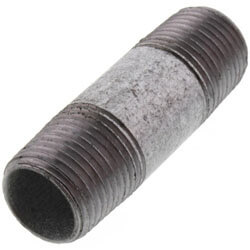
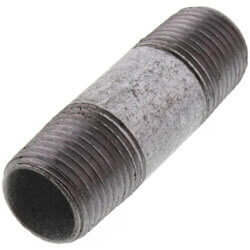
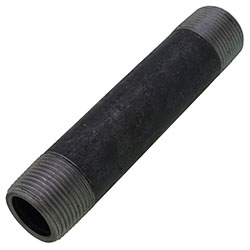
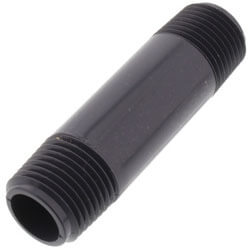
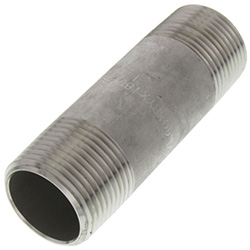
Nipples are short, externally threaded pipe segments used to connect two fittings, valves, or other threaded components without running a full length of pipe between them. They show up throughout plumbing, heating, and gas piping systems anywhere two threaded parts need to sit close together, such as joining a valve directly to a tee or connecting a water heater to its shutoff. Material and schedule vary by application, from standard black steel for gas and heating lines to brass and stainless steel for water service and corrosion resistance.
Picking the right nipple means matching the thread size and length to the connection, then choosing a material rated for what is running through the line. A nipple that is too long can force a fitting layout further than the space allows, while one that is too short may not leave enough thread engagement for a tight seal. Contractors typically keep a range of lengths and materials on hand since nipples get used in nearly every threaded assembly.
-new-main.jpg)
-new-main.jpg)



Subcategories
- Black Nipples (Domestic): Domestic black nipples are threaded steel pipe segments manufactured in the United States, used to connect fittings and valves on gas and heating piping. They are produced to the same schedule 40 wall thickness as standard black pipe, giving installers a consistent fit with other black steel fittings on the job.
- Black Nipples (Imported): Imported black nipples serve the same gas and heating piping connections as domestic black nipples, offered as a lower-cost alternative sourced from overseas mills. They are still manufactured to standard schedule 40 threading and wall thickness so they interchange with domestic black steel fittings.
- Black Schedule 80 Nipples: Schedule 80 black nipples have a thicker wall than standard schedule 40 nipples, giving them a higher pressure rating for demanding gas, steam, or industrial piping applications. Contractors specify schedule 80 when the system pressure or a local code requirement calls for the extra wall thickness.
- Black Seamless Schedule 80 Nipples: Schedule 80 black nipples built without a longitudinal weld seam are manufactured as a single, unwelded piece of steel, which some specifications require for higher-pressure or critical piping systems. They carry the same thick schedule 80 wall as standard schedule 80 nipples while meeting that weld-free construction requirement.
- Brass Nipples: Brass nipples resist corrosion better than steel in water service and are common on potable water lines, especially where dissimilar metals need a corrosion-resistant connection. They thread into standard iron pipe size fittings and valves used throughout residential and light commercial plumbing.
- Chrome Brass Nipples (Lead Free): Chrome-plated, lead-free brass nipples combine the corrosion resistance of brass with a polished finish for exposed plumbing connections, such as under a sink or at a fixture supply. The lead-free brass alloy meets current potable water code requirements for components in contact with drinking water.
Buying Guide
Selecting a nipple starts with the piping system it will serve, since gas, heating, and water lines each call for different materials and pressure ratings. Black steel nipples are standard for gas and heating applications, while brass and chrome brass nipples are suited to potable water connections where corrosion resistance and a lead-free rating matter.
Thread size has to match the fittings and valves on both ends of the connection, and length should be chosen based on the physical gap between those components. Ordering a nipple that is too short can leave insufficient thread engagement for a tight seal, while one that is too long adds unnecessary length to the assembly.
Wall thickness matters as much as material. Standard schedule 40 nipples handle most residential gas and water connections, while schedule 80 nipples offer a heavier wall for higher pressure or industrial systems. Weld-free schedule 80 nipples add a further requirement for jobs where a welded seam is not permitted.
Domestic and imported black nipples both meet the same schedule 40 dimensional standards, so the choice between them often comes down to budget and lead time rather than performance. Confirming that a supplier's imported stock still meets ASTM threading and wall thickness standards keeps compatibility consistent with existing black steel fittings.
Because nipples are used throughout nearly every threaded assembly on a job, keeping a stocked range of lengths and materials on the truck or in the shop reduces trips back to the supply house mid-installation. Buying from a single supplier for a project also keeps thread tolerances and materials consistent across the whole system.
Frequently Asked Questions
What is the difference between schedule 40 and schedule 80 nipples?
Schedule 80 nipples have a thicker wall than schedule 40, giving them a higher pressure rating for demanding gas, steam, or industrial applications. Schedule 40 nipples cover most standard residential gas and heating connections.
When is a weld-free nipple required instead of a standard nipple?
Nipples built without a longitudinal weld seam are manufactured as a single, unwelded piece of steel, which some piping specifications require for higher-pressure or critical systems. A project's engineering specification or local code typically states when that weld-free construction is required.
Why use brass nipples instead of black steel on a water line?
Brass resists corrosion in water service better than black steel, making it a common choice for potable water connections. Chrome-plated, lead-free brass nipples add a polished finish for exposed fixture connections while still meeting lead-free code requirements.
Are domestic and imported black nipples interchangeable?
Domestic and imported black nipples are both manufactured to the same schedule 40 threading and wall thickness standards, so they generally interchange with other black steel fittings. Confirming ASTM compliance on imported stock keeps that compatibility consistent.
How is nipple length chosen for a connection?
Nipple length should match the physical gap between the two fittings or valves being connected, leaving enough thread engagement on each end for a tight seal. A nipple that is too long adds unnecessary length to the assembly, while one that is too short may not thread in far enough.
Resources
Subcategories
- Black Nipples (Domestic): Domestic black nipples are threaded steel pipe segments manufactured in the United States, used to connect fittings and valves on gas and heating piping. They are produced to the same schedule 40 wall thickness as standard black pipe, giving installers a consistent fit with other black steel fittings on the job.
- Black Nipples (Imported): Imported black nipples serve the same gas and heating piping connections as domestic black nipples, offered as a lower-cost alternative sourced from overseas mills. They are still manufactured to standard schedule 40 threading and wall thickness so they interchange with domestic black steel fittings.
- Black Schedule 80 Nipples: Schedule 80 black nipples have a thicker wall than standard schedule 40 nipples, giving them a higher pressure rating for demanding gas, steam, or industrial piping applications. Contractors specify schedule 80 when the system pressure or a local code requirement calls for the extra wall thickness.
- Black Seamless Schedule 80 Nipples: Schedule 80 black nipples built without a longitudinal weld seam are manufactured as a single, unwelded piece of steel, which some specifications require for higher-pressure or critical piping systems. They carry the same thick schedule 80 wall as standard schedule 80 nipples while meeting that weld-free construction requirement.
- Brass Nipples: Brass nipples resist corrosion better than steel in water service and are common on potable water lines, especially where dissimilar metals need a corrosion-resistant connection. They thread into standard iron pipe size fittings and valves used throughout residential and light commercial plumbing.
- Chrome Brass Nipples (Lead Free): Chrome-plated, lead-free brass nipples combine the corrosion resistance of brass with a polished finish for exposed plumbing connections, such as under a sink or at a fixture supply. The lead-free brass alloy meets current potable water code requirements for components in contact with drinking water.
Buying Guide
Selecting a nipple starts with the piping system it will serve, since gas, heating, and water lines each call for different materials and pressure ratings. Black steel nipples are standard for gas and heating applications, while brass and chrome brass nipples are suited to potable water connections where corrosion resistance and a lead-free rating matter.
Thread size has to match the fittings and valves on both ends of the connection, and length should be chosen based on the physical gap between those components. Ordering a nipple that is too short can leave insufficient thread engagement for a tight seal, while one that is too long adds unnecessary length to the assembly.
Wall thickness matters as much as material. Standard schedule 40 nipples handle most residential gas and water connections, while schedule 80 nipples offer a heavier wall for higher pressure or industrial systems. Weld-free schedule 80 nipples add a further requirement for jobs where a welded seam is not permitted.
Domestic and imported black nipples both meet the same schedule 40 dimensional standards, so the choice between them often comes down to budget and lead time rather than performance. Confirming that a supplier's imported stock still meets ASTM threading and wall thickness standards keeps compatibility consistent with existing black steel fittings.
Because nipples are used throughout nearly every threaded assembly on a job, keeping a stocked range of lengths and materials on the truck or in the shop reduces trips back to the supply house mid-installation. Buying from a single supplier for a project also keeps thread tolerances and materials consistent across the whole system.
Frequently Asked Questions
What is the difference between schedule 40 and schedule 80 nipples?
Schedule 80 nipples have a thicker wall than schedule 40, giving them a higher pressure rating for demanding gas, steam, or industrial applications. Schedule 40 nipples cover most standard residential gas and heating connections.
When is a weld-free nipple required instead of a standard nipple?
Nipples built without a longitudinal weld seam are manufactured as a single, unwelded piece of steel, which some piping specifications require for higher-pressure or critical systems. A project's engineering specification or local code typically states when that weld-free construction is required.
Why use brass nipples instead of black steel on a water line?
Brass resists corrosion in water service better than black steel, making it a common choice for potable water connections. Chrome-plated, lead-free brass nipples add a polished finish for exposed fixture connections while still meeting lead-free code requirements.
Are domestic and imported black nipples interchangeable?
Domestic and imported black nipples are both manufactured to the same schedule 40 threading and wall thickness standards, so they generally interchange with other black steel fittings. Confirming ASTM compliance on imported stock keeps that compatibility consistent.
How is nipple length chosen for a connection?
Nipple length should match the physical gap between the two fittings or valves being connected, leaving enough thread engagement on each end for a tight seal. A nipple that is too long adds unnecessary length to the assembly, while one that is too short may not thread in far enough.