




Filters
SORT
Product Availability –
Review Score –
 --%3E %3Csvg version='1.1' id='Fill' xmlns='http://www.w3.org/2000/svg' xmlns:xlink='http://www.w3.org/1999/xlink' x='0px' y='0px' viewBox='0 0 100 100' enable-background='new 0 0 100 100' xml:space='preserve'%3E %3Cpath fill='%23F15C02' d='M79.44,0.95H20.56C9.78,0.95,0.95,9.78,0.95,20.56v58.87c0,10.79,8.82,19.61,19.61,19.61h58.87 c10.79,0,19.61-8.83,19.61-19.61V20.56C99.05,9.78,90.22,0.95,79.44,0.95z M65.38,58.24l9.38,29.58L49.69,69.78L24.5,87.82 l9.34-29.6L8.8,39.6l30.73-0.17c0,0,6.98-19.61,10-28.93c0.54,1.36,9.88,29.1,9.88,29.1H91.2L65.38,58.24z'/%3E %3C/svg%3E)
 --%3E %3Csvg version='1.1' id='With-RB' xmlns='http://www.w3.org/2000/svg' xmlns:xlink='http://www.w3.org/1999/xlink' x='0px' y='0px' viewBox='0 0 100 100' enable-background='new 0 0 100 100' xml:space='preserve'%3E %3Cpath fill='%23FBC8B4' d='M79.44,0.95H20.56C9.78,0.95,0.95,9.78,0.95,20.56v58.87c0,10.79,8.82,19.61,19.61,19.61h58.87 c10.79,0,19.61-8.83,19.61-19.61V20.56C99.05,9.78,90.22,0.95,79.44,0.95z M65.38,58.24l9.38,29.58L49.69,69.78L24.5,87.82 l9.34-29.6L8.8,39.6l30.73-0.17c0,0,6.98-19.61,10-28.93c0.54,1.36,9.88,29.1,9.88,29.1H91.2L65.38,58.24z'/%3E %3C/svg%3E)
Price Range –
Nordyne Limit Switches



 --%3E %3Csvg version='1.1' id='No-RB' xmlns='http://www.w3.org/2000/svg' xmlns:xlink='http://www.w3.org/1999/xlink' x='0px' y='0px' viewBox='0 0 100 100' enable-background='new 0 0 100 100' xml:space='preserve'%3E %3Cpath fill='%23CECECE' d='M79.44,0.95H20.56C9.78,0.95,0.95,9.78,0.95,20.56v58.87c0,10.79,8.82,19.61,19.61,19.61h58.87 c10.79,0,19.61-8.83,19.61-19.61V20.56C99.05,9.78,90.22,0.95,79.44,0.95z M65.38,58.24l9.38,29.58L49.69,69.78L24.5,87.82 l9.34-29.6L8.8,39.6l30.73-0.17c0,0,6.98-19.61,10-28.93c0.54,1.36,9.88,29.1,9.88,29.1H91.2L65.38,58.24z'/%3E %3C/svg%3E)
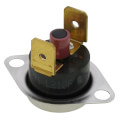
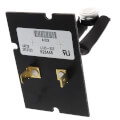
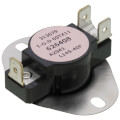
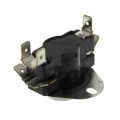
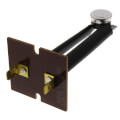
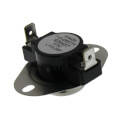
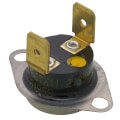
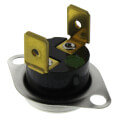
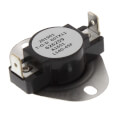
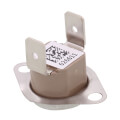

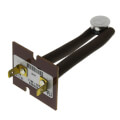
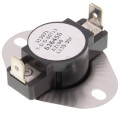
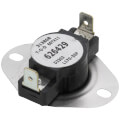
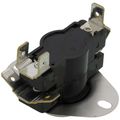
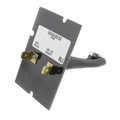
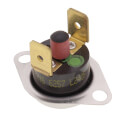
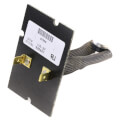
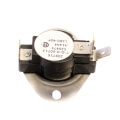
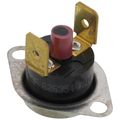
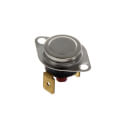
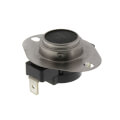
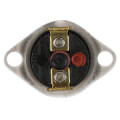
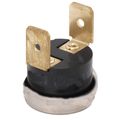
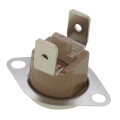

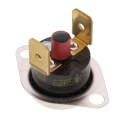
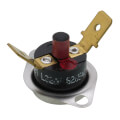
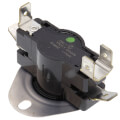
Nordyne limit switches are safety controls that shut down a gas or oil furnace's burner if the heat exchanger temperature climbs above a safe operating threshold, protecting against overheating caused by restricted airflow or a failing blower motor. Installed in the furnace's plenum or heat exchanger housing, the switch senses supply air temperature and interrupts the gas valve or burner circuit when that temperature exceeds the switch's rated cutout point. Technicians replace a limit switch when a furnace repeatedly short-cycles, fails to reach setpoint, or trips on a nuisance high-limit fault that isn't tied to an airflow restriction elsewhere in the system. Because the switch is a safety component rather than a comfort feature, matching the replacement to the furnace's original cutout temperature and mounting configuration matters more than matching by price or appearance alone. A mismatched limit switch can either fail to protect the heat exchanger or trip prematurely under normal operating conditions.
Subcategories
- Fixed Limit Switches: Fixed limit switches trip at a single, non-adjustable temperature threshold set by the manufacturer for a specific furnace model. They're the simplest design and the most common replacement part when an original switch fails from age or repeated thermal cycling. Because the cutout point isn't adjustable in the field, matching the replacement switch's rated temperature to the furnace manufacturer's original specification is required rather than optional. Installing a fixed switch rated for the wrong cutout temperature can either under-protect the heat exchanger or cause nuisance shutdowns.
- Auto-Reset Limit Switches: Auto-reset limit switches automatically restore the burner circuit once furnace temperature drops back into a safe range, without requiring a technician or homeowner to manually restart the unit. Furnaces prone to brief high-limit trips from a temporary airflow restriction, like a dirty filter, are well suited to this design since the unit resets itself once it cools. Repeated auto-reset cycling without addressing the underlying airflow problem can still shorten heat exchanger life even though the switch keeps resetting itself on its own. Diagnosing why a limit switch is tripping matters as much as replacing a failed one.
- Manual-Reset Limit Switches: Manual-reset limit switches require a technician or homeowner to physically press a reset button before the furnace can restart after a high-limit trip. Manufacturers use this design on furnaces where a repeated high-temperature event is more likely to indicate a serious problem, such as a cracked heat exchanger or blocked flue, that shouldn't be allowed to reset automatically. Because the furnace stays off until someone intervenes, a manual-reset trip should always prompt a diagnostic check rather than a simple reset-and-walk-away. Replacing a manual-reset switch with an auto-reset version isn't a safe substitution without confirming the furnace manufacturer allows that change.
- Combination Fan/Limit Switches: Combination fan and limit switches handle two functions in one control: turning the blower on and off based on plenum temperature, and shutting down the burner if temperature exceeds the high-limit threshold. Older furnace designs commonly use this combined switch rather than separate fan and limit controls. A failing combination switch can cause symptoms in either function, from a blower that won't start to a burner that won't shut down properly, which makes diagnosis less straightforward than with single-function switches. Confirming both the fan-on/fan-off temperatures and the limit cutout point against manufacturer specifications is necessary when sourcing a replacement.
Buying Guide
Replacing a limit switch starts with confirming the exact furnace model and the switch's original part number, since cutout temperatures and mounting configurations vary across furnace generations even within the same brand. A switch rated for the wrong temperature threshold can fail to protect the heat exchanger from overheating or trip under normal operating conditions, so guessing at a close match isn't a safe approach for a safety control. When sourcing Nordyne Limit Switches for an older installed furnace, cross-referencing the original part number against the current replacement part is more reliable than matching by physical appearance alone, since switches with similar housings can carry very different temperature ratings. Fixed switches are the simplest and most common replacement, while auto-reset and manual-reset designs serve different purposes depending on how the original manufacturer wanted a high-limit event handled. A manual-reset switch shouldn't be swapped for an auto-reset version without confirming the furnace manufacturer's original design intent, since some high-limit trips are meant to require a diagnostic check before the furnace restarts. Combination fan/limit switches add complexity to diagnosis, since a single failed component can affect both blower operation and burner shutdown. Technicians working on older equipment should keep in mind that some original switches are no longer manufactured, making a compatible aftermarket replacement the only practical option, and confirming compatibility against the furnace's technical documentation avoids installing a switch that doesn't match the original safety design.
Frequently Asked Questions
What does a furnace limit switch actually do?
A limit switch monitors air temperature inside the furnace's plenum or heat exchanger housing and shuts down the burner if that temperature exceeds a safe threshold. It's a safety control rather than a comfort feature, protecting the heat exchanger from damage caused by restricted airflow or a failing blower. When a limit switch trips repeatedly, the underlying airflow issue typically needs to be diagnosed rather than just replacing the switch.
Why does my furnace keep tripping on high limit?
Repeated high-limit trips are usually caused by restricted airflow, most commonly a dirty filter, blocked return, or failing blower motor that isn't moving enough air across the heat exchanger. A worn or miscalibrated limit switch can also trip prematurely even when airflow is normal. Diagnosing the airflow path before replacing the switch prevents a repeat failure shortly after the repair.
Can I replace a manual-reset limit switch with an auto-reset version?
Not without confirming the furnace manufacturer's original design intent first. Manual-reset switches are often used specifically because a repeated high-limit event may indicate a more serious problem, like a cracked heat exchanger, that shouldn't reset on its own. Swapping in an auto-reset switch could mask a condition that needs a technician's attention.
How do I find the correct replacement limit switch for an older furnace?
Cross-referencing the original part number stamped on the failed switch against current replacement parts is more reliable than matching by physical appearance, since switches with similar housings can carry different temperature ratings. Furnace model and serial number information can also help identify the correct original specification when the switch itself is illegible. Some original parts are no longer manufactured, making a compatible aftermarket replacement necessary.
What's the difference between a fixed and adjustable limit switch?
Fixed limit switches trip at a single, non-adjustable temperature set by the manufacturer for that specific furnace model. Some combination controls allow limited field adjustment of related fan-on and fan-off temperatures, but the high-limit safety cutout itself is typically fixed rather than adjustable. Treating the high-limit function as non-adjustable protects against accidentally raising the cutout point beyond a safe threshold.
