




PEX Sillcocks
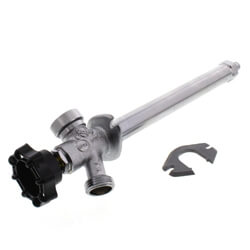
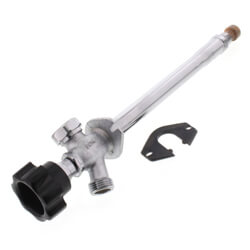
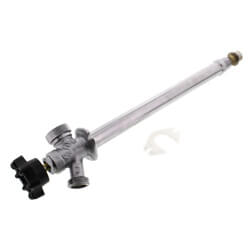
PEX sillcocks are outdoor hose bibs designed to connect directly to PEX tubing, cutting out the transition fittings a copper stub out would otherwise require. Plumbers use them on new construction and remodel jobs where the rest of the water distribution system is already run in PEX, since matching the sillcock connection type to the tubing already in the wall saves a fitting and a joint that could later leak.
Frost free models extend the shutoff valve back inside the heated wall cavity, so the exposed exterior portion of the sillcock drains automatically once the water is off, protecting against freeze damage in cold climates. Standard, non frost free sillcocks remain common in warmer regions or interior applications like utility sinks and wash stations where freeze protection isn't a design concern.


Subcategories
- PEX Crimp 1/4 Turn Sillcocks: Quarter turn crimp sillcocks connect to PEX tubing using a crimp ring and require a crimp tool sized to the ring diameter during installation. The quarter turn handle design is common on outdoor hose bibs since it's fast to operate and less prone to leaking around the stem than a multi turn valve.
- PEX Crimp Frost Free Sillcocks: Frost free sillcocks in the crimp connection style place the shutoff valve deep inside the wall, so the water in the exposed exterior barrel drains out once the valve closes. Crimp connections require the matching crimp tool and rings sized to the tubing being used.
- PEX Press Sillcocks: Press connection sillcocks use a press tool and jaw sized to the fitting rather than a crimp ring, giving a mechanical connection in a single squeeze without needing a separate crimp ring on hand. Plumbers already carrying a press tool for copper or PEX press fittings can use the same tool on these connections.
- ProPEX Sillcocks: ProPEX sillcocks use an expansion connection system, where the PEX tubing is expanded over a cone shaped fitting and shrinks back down to form a seal as it cools. That connection style needs a ProPEX expansion tool rather than a crimp or press tool.
- SharkBite (Push-Fit) Sillcocks: Push fit sillcocks connect without any tool at all, using an internal grip ring and O-ring seal that the tubing simply pushes into. They're a common choice for retrofit and repair work where a crimp, press, or expansion tool isn't already on hand for a single connection.
Buying Guide
Connection type is the first decision on any PEX sillcock purchase, and it should match the tools already on the truck rather than being chosen independently. A plumber running crimp connections throughout a job has little reason to buy a press or ProPEX sillcock unless a tool change is already planned.
Frost protection matters most in climates that see hard freezes, where a standard sillcock left connected to a hose over winter can split when trapped water freezes and expands. Frost free models solve this by draining automatically once the valve is shut off, provided the hose is disconnected so water can actually drain out.
Barrel length on frost free sillcocks needs to match wall thickness, since the shutoff valve has to sit inside the heated space rather than the exterior sheathing. Measuring from the exterior wall surface to the interior framing before ordering avoids a barrel that's too short to reach the valve past the insulation.
Choosing among the PEX Sillcocks options on the shelf still comes down to matching the inlet connection to the exact tubing size already run to the wall, typically half inch or three quarter inch, which avoids needing an additional reducing fitting at the connection point.
Material matters for water quality and durability, and most PEX sillcocks use lead free brass bodies to meet current plumbing code requirements for potable water fixtures. Confirming the specific code requirements in the local jurisdiction is worth doing before a job, particularly on any commercial or multifamily project subject to stricter inspection.
Frequently Asked Questions
What's the difference between a frost free and standard PEX sillcock?
A frost free sillcock places its shutoff valve inside the heated wall cavity, so the exposed exterior barrel drains automatically once the water is off, protecting against freeze damage. A standard sillcock has its valve at the exterior connection point and doesn't drain automatically, making it a better fit for warmer climates or interior use.
Which PEX connection type is easiest for a one off repair?
Push fit sillcocks require no tool at all, using an internal grip ring and O-ring seal that the tubing pushes into directly. That makes them a practical option for a single repair or retrofit where a crimp, press, or expansion tool isn't already on hand.
How is barrel length chosen for a frost free sillcock?
Barrel length should be measured from the exterior wall surface back to the interior framing, since the shutoff valve needs to sit inside the heated space past the wall insulation. A barrel that's too short leaves the valve exposed to freezing temperatures, defeating the purpose of the frost free design.
Can different PEX connection types be mixed on the same job?
They can, but each connection type needs its own matching tool, so mixing crimp, press, and ProPEX sillcocks on one job means carrying multiple tools rather than one. Most plumbers standardize on a single connection type per job to avoid that added equipment cost.
Are PEX sillcocks required to be lead free?
Most PEX sillcocks sold for potable water use lead free brass construction to meet current plumbing code requirements. Confirming the applicable code in the local jurisdiction is still worth doing before a job, especially on commercial or multifamily projects with stricter inspection requirements.
Resources
Subcategories
- PEX Crimp 1/4 Turn Sillcocks: Quarter turn crimp sillcocks connect to PEX tubing using a crimp ring and require a crimp tool sized to the ring diameter during installation. The quarter turn handle design is common on outdoor hose bibs since it's fast to operate and less prone to leaking around the stem than a multi turn valve.
- PEX Crimp Frost Free Sillcocks: Frost free sillcocks in the crimp connection style place the shutoff valve deep inside the wall, so the water in the exposed exterior barrel drains out once the valve closes. Crimp connections require the matching crimp tool and rings sized to the tubing being used.
- PEX Press Sillcocks: Press connection sillcocks use a press tool and jaw sized to the fitting rather than a crimp ring, giving a mechanical connection in a single squeeze without needing a separate crimp ring on hand. Plumbers already carrying a press tool for copper or PEX press fittings can use the same tool on these connections.
- ProPEX Sillcocks: ProPEX sillcocks use an expansion connection system, where the PEX tubing is expanded over a cone shaped fitting and shrinks back down to form a seal as it cools. That connection style needs a ProPEX expansion tool rather than a crimp or press tool.
- SharkBite (Push-Fit) Sillcocks: Push fit sillcocks connect without any tool at all, using an internal grip ring and O-ring seal that the tubing simply pushes into. They're a common choice for retrofit and repair work where a crimp, press, or expansion tool isn't already on hand for a single connection.
Buying Guide
Connection type is the first decision on any PEX sillcock purchase, and it should match the tools already on the truck rather than being chosen independently. A plumber running crimp connections throughout a job has little reason to buy a press or ProPEX sillcock unless a tool change is already planned.
Frost protection matters most in climates that see hard freezes, where a standard sillcock left connected to a hose over winter can split when trapped water freezes and expands. Frost free models solve this by draining automatically once the valve is shut off, provided the hose is disconnected so water can actually drain out.
Barrel length on frost free sillcocks needs to match wall thickness, since the shutoff valve has to sit inside the heated space rather than the exterior sheathing. Measuring from the exterior wall surface to the interior framing before ordering avoids a barrel that's too short to reach the valve past the insulation.
Choosing among the PEX Sillcocks options on the shelf still comes down to matching the inlet connection to the exact tubing size already run to the wall, typically half inch or three quarter inch, which avoids needing an additional reducing fitting at the connection point.
Material matters for water quality and durability, and most PEX sillcocks use lead free brass bodies to meet current plumbing code requirements for potable water fixtures. Confirming the specific code requirements in the local jurisdiction is worth doing before a job, particularly on any commercial or multifamily project subject to stricter inspection.
Frequently Asked Questions
What's the difference between a frost free and standard PEX sillcock?
A frost free sillcock places its shutoff valve inside the heated wall cavity, so the exposed exterior barrel drains automatically once the water is off, protecting against freeze damage. A standard sillcock has its valve at the exterior connection point and doesn't drain automatically, making it a better fit for warmer climates or interior use.
Which PEX connection type is easiest for a one off repair?
Push fit sillcocks require no tool at all, using an internal grip ring and O-ring seal that the tubing pushes into directly. That makes them a practical option for a single repair or retrofit where a crimp, press, or expansion tool isn't already on hand.
How is barrel length chosen for a frost free sillcock?
Barrel length should be measured from the exterior wall surface back to the interior framing, since the shutoff valve needs to sit inside the heated space past the wall insulation. A barrel that's too short leaves the valve exposed to freezing temperatures, defeating the purpose of the frost free design.
Can different PEX connection types be mixed on the same job?
They can, but each connection type needs its own matching tool, so mixing crimp, press, and ProPEX sillcocks on one job means carrying multiple tools rather than one. Most plumbers standardize on a single connection type per job to avoid that added equipment cost.
Are PEX sillcocks required to be lead free?
Most PEX sillcocks sold for potable water use lead free brass construction to meet current plumbing code requirements. Confirming the applicable code in the local jurisdiction is still worth doing before a job, especially on commercial or multifamily projects with stricter inspection requirements.