




PennBarry Parts - Ventilation

 --%3E %3Csvg version='1.1' id='No-RB' xmlns='http://www.w3.org/2000/svg' xmlns:xlink='http://www.w3.org/1999/xlink' x='0px' y='0px' viewBox='0 0 100 100' enable-background='new 0 0 100 100' xml:space='preserve'%3E %3Cpath fill='%23CECECE' d='M79.44,0.95H20.56C9.78,0.95,0.95,9.78,0.95,20.56v58.87c0,10.79,8.82,19.61,19.61,19.61h58.87 c10.79,0,19.61-8.83,19.61-19.61V20.56C99.05,9.78,90.22,0.95,79.44,0.95z M65.38,58.24l9.38,29.58L49.69,69.78L24.5,87.82 l9.34-29.6L8.8,39.6l30.73-0.17c0,0,6.98-19.61,10-28.93c0.54,1.36,9.88,29.1,9.88,29.1H91.2L65.38,58.24z'/%3E %3C/svg%3E)


 --%3E %3Csvg version='1.1' id='Fill' xmlns='http://www.w3.org/2000/svg' xmlns:xlink='http://www.w3.org/1999/xlink' x='0px' y='0px' viewBox='0 0 100 100' enable-background='new 0 0 100 100' xml:space='preserve'%3E %3Cpath fill='%23F15C02' d='M79.44,0.95H20.56C9.78,0.95,0.95,9.78,0.95,20.56v58.87c0,10.79,8.82,19.61,19.61,19.61h58.87 c10.79,0,19.61-8.83,19.61-19.61V20.56C99.05,9.78,90.22,0.95,79.44,0.95z M65.38,58.24l9.38,29.58L49.69,69.78L24.5,87.82 l9.34-29.6L8.8,39.6l30.73-0.17c0,0,6.98-19.61,10-28.93c0.54,1.36,9.88,29.1,9.88,29.1H91.2L65.38,58.24z'/%3E %3C/svg%3E)
 --%3E %3Csvg version='1.1' id='With-RB' xmlns='http://www.w3.org/2000/svg' xmlns:xlink='http://www.w3.org/1999/xlink' x='0px' y='0px' viewBox='0 0 100 100' enable-background='new 0 0 100 100' xml:space='preserve'%3E %3Cpath fill='%23FBC8B4' d='M79.44,0.95H20.56C9.78,0.95,0.95,9.78,0.95,20.56v58.87c0,10.79,8.82,19.61,19.61,19.61h58.87 c10.79,0,19.61-8.83,19.61-19.61V20.56C99.05,9.78,90.22,0.95,79.44,0.95z M65.38,58.24l9.38,29.58L49.69,69.78L24.5,87.82 l9.34-29.6L8.8,39.6l30.73-0.17c0,0,6.98-19.61,10-28.93c0.54,1.36,9.88,29.1,9.88,29.1H91.2L65.38,58.24z'/%3E %3C/svg%3E)
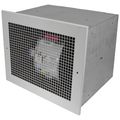
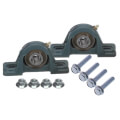

PennBarry parts are replacement components for PennBarry's line of commercial and industrial fans, including exhaust fans, supply fans, and inline blowers used in ventilation systems across restaurants, warehouses, and other commercial buildings. Because PennBarry equipment covers a wide range of fan types and sizes, from small utility exhaust fans to large centrifugal units, matching a replacement part to the specific fan model is more reliable than assuming compatibility based on general fan size alone. Motors, wheels, belts, and bearings are among the most commonly replaced components, since they see continuous wear from daily operating hours in commercial kitchen and industrial ventilation applications. A facilities manager troubleshooting a noisy or underperforming fan often finds the issue traces back to a worn bearing or a belt that has stretched past its usable range rather than the fan itself failing outright. Keeping the fan's model and serial information on hand speeds up parts ordering when a repair needs to happen quickly to keep required ventilation running.
Subcategories
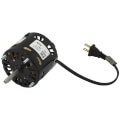
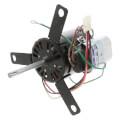
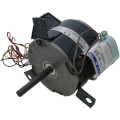
- Motors: Motors drive the fan wheel and are sized by horsepower, voltage, and speed to match the specific PennBarry fan model they came installed on. A motor that runs at the wrong speed for its fan wheel can either underperform on airflow or overload the wheel and bearings, so matching the replacement to the original nameplate data matters more than matching by physical frame size alone. Commercial kitchen exhaust applications put more continuous run time on a motor than typical building ventilation, which tends to shorten replacement intervals in that setting. Confirming voltage and phase against the building's electrical service before ordering avoids a mismatch that shows up only after installation.
- Fan Wheels: Fan wheels move the air and come in different styles, such as backward-inclined or forward-curved, depending on the fan's original design and airflow requirements. A wheel replacement needs to match not just the diameter but the blade style and rotation direction of the original part, since a mismatched wheel can create excess noise or fail to deliver the fan's rated airflow. Wheels used in grease-laden kitchen exhaust applications tend to accumulate buildup faster than those in general ventilation, which can throw off balance and increase bearing wear over time. Cleaning and inspecting the wheel on a regular schedule can extend the time before a replacement is needed.
- Belts and Sheaves: Belts and sheaves transmit power from the motor to the fan wheel on belt-driven models, and a stretched or worn belt is one of the more common reasons for reduced airflow on an otherwise healthy fan. Sheave size determines the fan's operating speed, so replacing a sheave with the wrong diameter changes the airflow the fan delivers, sometimes without an obvious symptom until energy use or comfort complaints show up later. Belts should be replaced in matched sets on multi-belt drives rather than one at a time, since belts of different ages and wear levels do not share load evenly. Routine belt tension checks catch most issues before a fan's performance drops noticeably.
- Bearings: Bearings support the fan shaft and wheel assembly, and a failing bearing typically shows up first as unusual noise or vibration before it causes a complete fan stoppage. Continuous-duty commercial and industrial applications put more cumulative wear on bearings than intermittent residential use, so scheduled bearing inspection matters more in these settings. Replacement bearings need to match the shaft diameter and mounting style of the original part, since a bearing that fits loosely or too tightly can fail again quickly. Catching a bearing issue early, before it damages the shaft or wheel, is usually the difference between a simple parts swap and a more involved repair.
Buying Guide
Ordering the right PennBarry part starts with the fan's model and serial number, since PennBarry's product line covers a wide range of fan types and sizes across different applications, and parts are not universally interchangeable between models that look similar. Motors need to be matched by horsepower, voltage, phase, and speed rather than physical frame size alone, since a mismatch in any of those specifications can lead to poor airflow performance or premature failure. Fan wheels have to match blade style and rotation direction in addition to diameter, and this matters especially in kitchen exhaust applications where grease buildup adds extra wear beyond what a general ventilation fan would see. Belt-driven models add sheave sizing to the equation, since changing sheave diameter changes the fan's operating speed and airflow output, sometimes in ways that are not obvious until energy bills or comfort complaints show up later. Bearings should be replaced at the first sign of unusual noise or vibration rather than waiting for a complete failure, since catching the issue early usually limits the repair to the bearing itself rather than the shaft or wheel. Facilities with continuous-duty applications, such as commercial kitchen exhaust running most of the day, should expect shorter replacement intervals across all of these components compared with intermittent residential use, and planning parts inventory around that duty cycle helps avoid an unplanned ventilation outage.
Frequently Asked Questions
What information is needed before ordering a replacement PennBarry part?
The fan's model and serial number are the most reliable starting point, since PennBarry's product line spans multiple fan types and sizes that are not always interchangeable even when they look similar.
What usually causes reduced airflow on a belt-driven PennBarry fan?
A stretched or worn belt is one of the most common causes, though a sheave of the wrong diameter can also change the fan's operating speed and reduce airflow without an obvious symptom at first.
How can a failing bearing be identified before it causes a complete fan stoppage?
Unusual noise or vibration is typically the earliest sign, and catching the issue at that stage usually limits the repair to the bearing itself rather than the shaft or wheel.
Why do kitchen exhaust fans need more frequent parts replacement than general ventilation fans?
Grease-laden air adds buildup on the fan wheel and puts more continuous wear on motors and bearings than typical building ventilation, which shortens replacement intervals in that application.
Can belts on a multi-belt drive be replaced one at a time?
Replacing belts in matched sets is recommended instead, since belts of different ages and wear levels do not share load evenly and can shorten the life of a newly installed belt.
