



Plumbing Test Equipment
Plumbing test equipment covers the tools used to pressure test, inspect, and verify plumbing and drain systems. These checks happen before the systems are put into service or covered by finished walls and floors. The category ranges from mechanical plugs that seal a pipe for a pressure test to gauges and detectors that measure system performance.
Testing a system before it's closed in catches leaks, weak joints, or improper connections while repairs are still straightforward, rather than after drywall, flooring, or backfill make access difficult. Plumbing and mechanical contractors keep test equipment on hand as a standard part of rough-in and final inspection procedures.



Subcategories
- Hubsett Test Couplings: Hubsett Test Couplings are used to temporarily cap and pressure test drain, waste, and vent lines during rough-in inspection. They seal the pipe end so air or water pressure can be applied and held to check for leaks before the system is connected further downstream. Removing the coupling after a successful test allows the line to be completed.
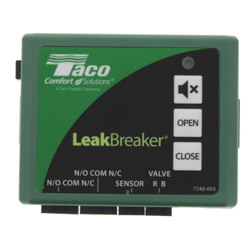
- Leak Detectors: Leak Detectors identify the presence and, in some cases, the location of water or gas leaks in a plumbing system without needing to expose the entire line. They range from simple moisture sensors to more advanced acoustic or gas-sensing tools used for tracking down a leak's source. Technicians use them both for troubleshooting existing systems and verifying repairs after the fact.
- Mechanical Test Plugs: Mechanical Test Plugs seal pipe openings using a mechanical expansion mechanism, typically tightened by hand or with a wrench, to hold pressure during a system test. They're generally reusable across multiple jobs and come in a range of sizes to fit different pipe diameters. Confirming the plug size matches the pipe's inside diameter is necessary for a proper seal during testing.
- Pneumatic Test Plugs and Tools: Pneumatic Test Plugs and Tools use air pressure, rather than a mechanical expansion mechanism, to inflate a seal against the inside of a pipe for testing. They're often used on larger diameter pipe or where a quick, adjustable seal is preferred over a mechanically tightened plug. An air source and gauge are needed alongside the plug itself to run a complete test.
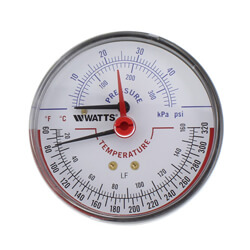
- Temperature & Pressure Gauges: Temperature & Pressure Gauges measure operating conditions within a plumbing or hydronic system, confirming that pressure and temperature stay within the expected range for the equipment installed. They're used both during initial system testing and for ongoing monitoring after a system is in service. Gauges are typically selected to match the expected pressure and temperature range of the specific system being measured.
Buying Guide
Selecting plumbing test equipment starts with matching the tool to the type of test required. A pressure test on a closed drain line calls for a sealing plug, while verifying an existing system's operating conditions calls for a gauge instead.
Pipe diameter and material determine which style of test plug fits properly. Mechanical plugs and pneumatic plugs are sized differently, so confirming the correct plug type and size for the pipe being tested avoids a failed seal during the test.
Plumbing Test Equipment used for code-required inspections needs to meet the pressure and duration requirements specified by the local inspector or plumbing code. Confirming those requirements before testing helps avoid a failed or invalid inspection.
Leak detection tools vary in what they can find. A basic moisture sensor confirms a leak's presence, while acoustic or gas-sensing detectors help narrow down a leak's specific location, which matters most on larger or less accessible systems.
Gauges should be selected for a pressure and temperature range appropriate to the system being measured. A gauge rated well above or below the system's normal operating range gives a less precise reading.
Frequently Asked Questions
What is the difference between a mechanical test plug and a pneumatic test plug?
A mechanical test plug seals a pipe using a hand- or wrench-tightened expansion mechanism. A pneumatic test plug uses air pressure to inflate a seal against the pipe wall. Pneumatic plugs are often preferred for larger diameter pipe or when a quicker setup is needed, while mechanical plugs don't require an air source to operate. Both types need to match the pipe's inside diameter for a proper seal.
How long should a plumbing system hold pressure during a test?
Required test duration and pressure level are typically set by local plumbing code or the inspector overseeing the job. Both can vary by jurisdiction and system type. Confirming those requirements before starting the test avoids having to repeat it due to an insufficient hold time. Documentation of the test results is often required as part of the inspection record.
When is a leak detector needed instead of a standard pressure test?
A pressure test confirms whether a system holds pressure but doesn't always pinpoint where a leak is occurring, especially on systems that are already covered or difficult to access. A leak detector, particularly an acoustic or gas-sensing type, helps narrow down a leak's specific location without needing to expose the entire line. Both tools are often used together when troubleshooting a system that fails a pressure test.
Can test plugs be reused across multiple jobs?
Mechanical test plugs are generally reusable and designed to be removed and reinstalled across different testing jobs, provided the seal surface remains in good condition. Pneumatic test plugs can also be reused as long as the inflatable seal isn't damaged. Inspecting the seal for wear before each use helps confirm it will hold pressure reliably.
Why would a temperature and pressure gauge be installed after a system passes its initial test?
A temperature and pressure gauge left in place after installation allows ongoing monitoring of the system's operating conditions, not just a one-time pass or fail result. Ongoing monitoring helps identify a developing problem, such as a failing component or a system running outside its normal range, before it causes a larger issue. Gauges used for ongoing monitoring are typically chosen for the specific pressure and temperature range expected during normal operation.
Resources
Subcategories
- Hubsett Test Couplings: Hubsett Test Couplings are used to temporarily cap and pressure test drain, waste, and vent lines during rough-in inspection. They seal the pipe end so air or water pressure can be applied and held to check for leaks before the system is connected further downstream. Removing the coupling after a successful test allows the line to be completed.
- Leak Detectors: Leak Detectors identify the presence and, in some cases, the location of water or gas leaks in a plumbing system without needing to expose the entire line. They range from simple moisture sensors to more advanced acoustic or gas-sensing tools used for tracking down a leak's source. Technicians use them both for troubleshooting existing systems and verifying repairs after the fact.
- Mechanical Test Plugs: Mechanical Test Plugs seal pipe openings using a mechanical expansion mechanism, typically tightened by hand or with a wrench, to hold pressure during a system test. They're generally reusable across multiple jobs and come in a range of sizes to fit different pipe diameters. Confirming the plug size matches the pipe's inside diameter is necessary for a proper seal during testing.
- Pneumatic Test Plugs and Tools: Pneumatic Test Plugs and Tools use air pressure, rather than a mechanical expansion mechanism, to inflate a seal against the inside of a pipe for testing. They're often used on larger diameter pipe or where a quick, adjustable seal is preferred over a mechanically tightened plug. An air source and gauge are needed alongside the plug itself to run a complete test.
- Temperature & Pressure Gauges: Temperature & Pressure Gauges measure operating conditions within a plumbing or hydronic system, confirming that pressure and temperature stay within the expected range for the equipment installed. They're used both during initial system testing and for ongoing monitoring after a system is in service. Gauges are typically selected to match the expected pressure and temperature range of the specific system being measured.
Buying Guide
Selecting plumbing test equipment starts with matching the tool to the type of test required. A pressure test on a closed drain line calls for a sealing plug, while verifying an existing system's operating conditions calls for a gauge instead.
Pipe diameter and material determine which style of test plug fits properly. Mechanical plugs and pneumatic plugs are sized differently, so confirming the correct plug type and size for the pipe being tested avoids a failed seal during the test.
Plumbing Test Equipment used for code-required inspections needs to meet the pressure and duration requirements specified by the local inspector or plumbing code. Confirming those requirements before testing helps avoid a failed or invalid inspection.
Leak detection tools vary in what they can find. A basic moisture sensor confirms a leak's presence, while acoustic or gas-sensing detectors help narrow down a leak's specific location, which matters most on larger or less accessible systems.
Gauges should be selected for a pressure and temperature range appropriate to the system being measured. A gauge rated well above or below the system's normal operating range gives a less precise reading.
Frequently Asked Questions
What is the difference between a mechanical test plug and a pneumatic test plug?
A mechanical test plug seals a pipe using a hand- or wrench-tightened expansion mechanism. A pneumatic test plug uses air pressure to inflate a seal against the pipe wall. Pneumatic plugs are often preferred for larger diameter pipe or when a quicker setup is needed, while mechanical plugs don't require an air source to operate. Both types need to match the pipe's inside diameter for a proper seal.
How long should a plumbing system hold pressure during a test?
Required test duration and pressure level are typically set by local plumbing code or the inspector overseeing the job. Both can vary by jurisdiction and system type. Confirming those requirements before starting the test avoids having to repeat it due to an insufficient hold time. Documentation of the test results is often required as part of the inspection record.
When is a leak detector needed instead of a standard pressure test?
A pressure test confirms whether a system holds pressure but doesn't always pinpoint where a leak is occurring, especially on systems that are already covered or difficult to access. A leak detector, particularly an acoustic or gas-sensing type, helps narrow down a leak's specific location without needing to expose the entire line. Both tools are often used together when troubleshooting a system that fails a pressure test.
Can test plugs be reused across multiple jobs?
Mechanical test plugs are generally reusable and designed to be removed and reinstalled across different testing jobs, provided the seal surface remains in good condition. Pneumatic test plugs can also be reused as long as the inflatable seal isn't damaged. Inspecting the seal for wear before each use helps confirm it will hold pressure reliably.
Why would a temperature and pressure gauge be installed after a system passes its initial test?
A temperature and pressure gauge left in place after installation allows ongoing monitoring of the system's operating conditions, not just a one-time pass or fail result. Ongoing monitoring helps identify a developing problem, such as a failing component or a system running outside its normal range, before it causes a larger issue. Gauges used for ongoing monitoring are typically chosen for the specific pressure and temperature range expected during normal operation.