




Water Pressure Booster Pumps


 --%3E %3Csvg version='1.1' id='No-RB' xmlns='http://www.w3.org/2000/svg' xmlns:xlink='http://www.w3.org/1999/xlink' x='0px' y='0px' viewBox='0 0 100 100' enable-background='new 0 0 100 100' xml:space='preserve'%3E %3Cpath fill='%23CECECE' d='M79.44,0.95H20.56C9.78,0.95,0.95,9.78,0.95,20.56v58.87c0,10.79,8.82,19.61,19.61,19.61h58.87 c10.79,0,19.61-8.83,19.61-19.61V20.56C99.05,9.78,90.22,0.95,79.44,0.95z M65.38,58.24l9.38,29.58L49.69,69.78L24.5,87.82 l9.34-29.6L8.8,39.6l30.73-0.17c0,0,6.98-19.61,10-28.93c0.54,1.36,9.88,29.1,9.88,29.1H91.2L65.38,58.24z'/%3E %3C/svg%3E)
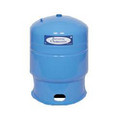
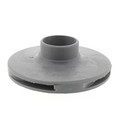
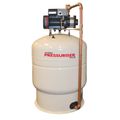
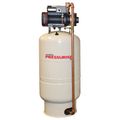


Pressure Boosters are pump systems that raise water pressure in a plumbing system when the incoming municipal or well supply does not deliver enough pressure to serve upper floors, long runs, or fixtures with high flow demands. A booster system typically pairs one or more pumps with a control panel that starts and stops the pump based on system pressure, keeping output steady as demand rises and falls throughout the building.
Buildings taller than a few stories, homes at the end of a long rural water line, and commercial properties with irrigation or fire suppression demands are common candidates for a booster system. Selecting the right configuration depends on how much the pressure needs to rise, how many fixtures draw water at once, and whether the supply source can keep up with the booster's draw without running dry.
Subcategories
- Single Pump Booster Systems: Single pump booster systems use one pump to raise pressure across the building, suiting smaller properties or applications where demand stays fairly steady throughout the day. A single unit keeps the system simple and lowers upfront equipment cost compared to a multi pump setup.
- Multi-Pump and Variable Speed Systems: Multi pump and variable speed systems stage two or more pumps, or vary a single pump's speed, to match output more closely to changing demand across the day. Larger buildings with fluctuating flow needs, like apartment complexes or commercial properties, often specify this configuration to avoid a single pump cycling excessively.
- Booster Pump Replacement Parts: Booster pump replacement parts cover the impellers, seals, and control components that keep an installed system running between full replacements. Facilities with a booster system already piped into the building rely on these parts to extend service life without a full system swap.
- Pressure Tanks and Accessories: Pressure tanks and accessories work alongside the booster pump to reduce short cycling, storing a small reserve of pressurized water so the pump does not start and stop with every small draw. Properly sized tanks extend pump life and smooth out pressure fluctuations felt at the fixture.
Buying Guide
Sizing a booster system starts with measuring the incoming water pressure and comparing it against the pressure needed at the highest or most distant fixture in the building. That gap between available and required pressure determines how much boost the pump needs to add, and it directly shapes which pump size and configuration will work.
Flow rate matters just as much as pressure. A system that serves several bathrooms, an irrigation zone, or a commercial kitchen simultaneously needs a pump rated to deliver adequate flow at the target pressure, not just enough pressure at a single fixture running alone. Undersizing for peak simultaneous demand leads to a pressure drop exactly when the building needs it most.
Pressure Boosters for larger or more variable buildings often call for a multi pump or variable speed configuration rather than a single fixed speed unit, since staged or variable output matches demand more closely across the day and reduces wear from constant cycling. Smaller residential applications with steady demand can usually get by with a simpler single pump setup.
Supply source capacity deserves a check before finalizing a system, since a booster pump can only deliver water the incoming supply can actually provide. A booster pulling harder than the source can sustain risks running the pump dry, which shortens its service life considerably. Confirming the source's flow capacity against the booster's rated draw avoids that problem before installation begins.
Frequently Asked Questions
How is a pressure booster system sized for a building?
Sizing starts with measuring the incoming water pressure and comparing it to the pressure needed at the highest or most distant fixture, then factoring in the flow rate needed when multiple fixtures draw water at once. That combination of pressure gap and flow demand determines pump size and configuration.
What is the benefit of a variable speed booster system over a single pump?
A variable speed system adjusts pump output to match changing demand throughout the day, reducing wear from constant starting and stopping compared to a single fixed speed pump. Buildings with fluctuating flow needs, like apartments or commercial properties, benefit most from this configuration.
Why does a booster system need a pressure tank?
A pressure tank stores a small reserve of pressurized water so the pump does not start and stop with every minor draw in the building. Reducing that short cycling extends pump life and keeps pressure more consistent at the fixture.
Can a water supply be too weak to support a booster pump?
A booster pump can only move as much water as the incoming supply provides, so a pump drawing harder than the source can sustain risks running dry and suffering damage. Checking the supply's flow capacity against the booster's rated draw avoids that problem before installation.
What maintenance do booster pump systems need?
Booster systems need periodic checks of the pump seals, impeller, and control panel settings, along with inspection of the pressure tank's air charge if the system includes one. Catching a worn seal or a failing control early avoids a pressure drop affecting the whole building.
