



Water Pumps
Pumps in this category move water or wastewater where gravity alone can't do the job. Applications range from removing condensate off an HVAC coil to handling sewage from a basement bathroom below the level of the main sewer line. The right pump depends heavily on what's being pumped, since pumps built for clear water, condensate, or light drainage aren't rated to handle solids or wastewater.
Beyond the fluid type, sizing a pump correctly means matching its flow rate and head pressure to the specific job. Head pressure is the vertical distance and pipe resistance the pump has to overcome. Sizing also means confirming the discharge pipe size and any backup power needs for pumps protecting a space from flooding.
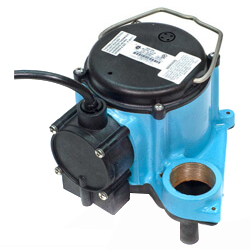
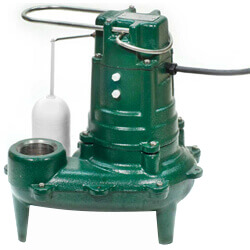
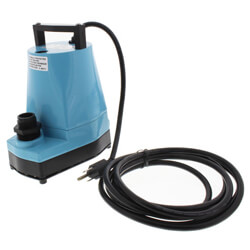
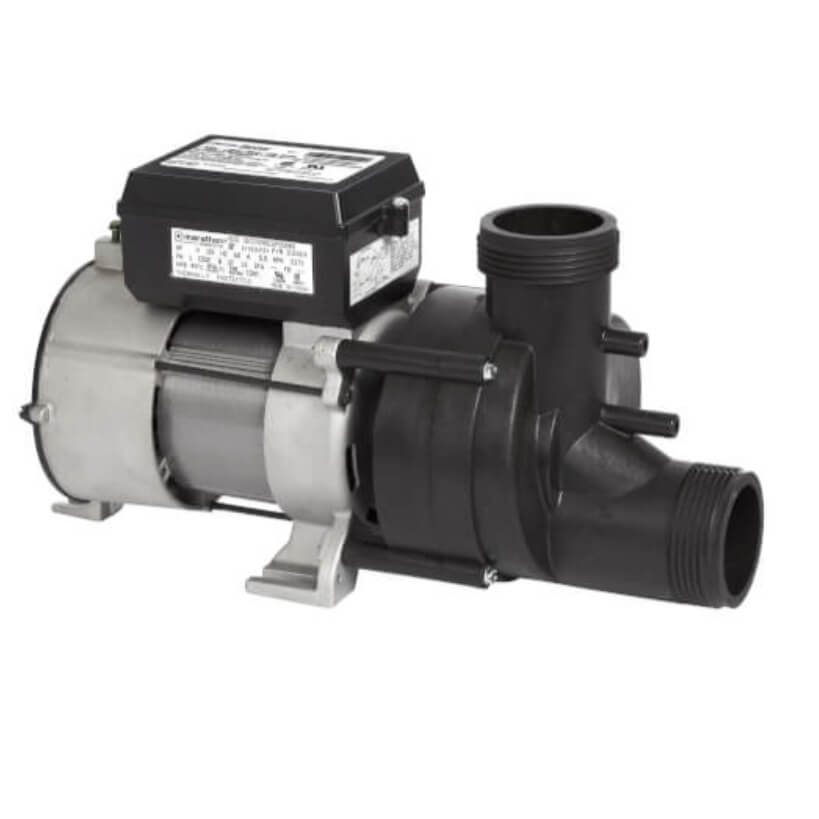

Subcategories
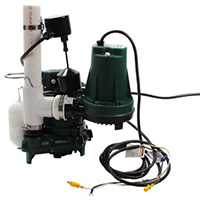
- Battery Back Up Pumps: Battery back up pumps supplement a primary sump pump. They activate automatically if the primary pump fails or loses power during a storm. Storms are when flooding risk is highest and grid power is most likely to be interrupted. They run on a dedicated battery rather than house current. Battery capacity determines how long the backup pump can run during an extended outage. Pairing one with an existing sump pump, rather than running it as a standalone primary pump, is the typical setup.
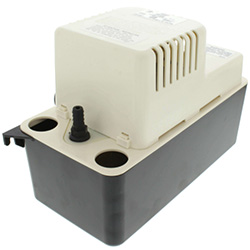
- Condensate Removal Pumps: Condensate removal pumps collect and discharge the water produced by air conditioning coils, furnaces, and other HVAC equipment where gravity drainage to a floor drain or outside isn't available. They're built for small volumes of relatively clean water. They typically include a small reservoir with a float switch that activates the pump once the reservoir reaches a set level. Sizing depends on the tonnage of the connected HVAC equipment and the vertical lift and pipe run needed to reach the discharge point.
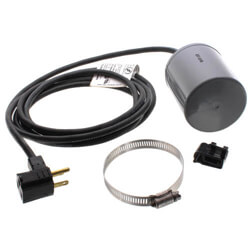
- Dosing Pumps: Dosing pumps deliver wastewater in metered doses to a septic drain field or treatment system, rather than pumping continuously. This allows the drain field to process effluent more evenly over time. They're typically controlled by a timer or level-based control panel that determines dose volume and frequency based on the system's design. Septic system design specifications, rather than pump capacity alone, generally dictate the correct dosing pump and control setup for a given installation.
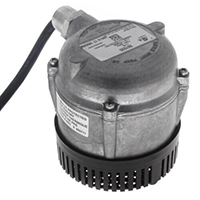
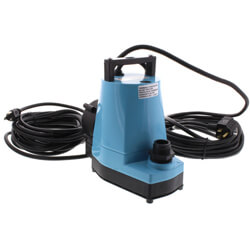
- Drain & Utility Pumps: Drain and utility pumps handle general-purpose water removal, such as clearing a flooded basement, draining a pool cover, or emptying a window well. They're typically rated for water containing small amounts of debris rather than solids or sewage. They're usually portable and submersible, designed to be moved between jobs rather than permanently installed. Flow rate and the size of solids the pump can pass are the key specifications for matching a utility pump to a specific cleanup task.
- Effluent Pumps & Accessories: Effluent pumps handle wastewater that has already passed through a septic tank or other pretreatment. This wastewater is relatively free of large solids compared to raw sewage. For that reason, effluent pumps carry a lower solids-handling rating than grinder or sewage pumps. They're commonly used to move effluent from a septic tank to a drain field or mound system, especially where elevation changes require lifting the effluent uphill. Accessories in this subcategory include the floats, control panels, and basins that support a complete effluent pumping system.
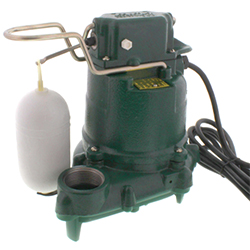
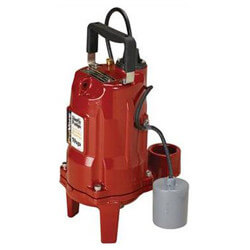
- Grinder Pumps: Grinder pumps macerate solid waste before pumping it. This lets a building discharge sewage through smaller-diameter pipe than gravity sewage lines typically require. They're useful where a building sits below the level of the municipal sewer or septic system. Because they handle raw, unscreened sewage including solids, they carry a higher horsepower rating than effluent or utility pumps built for cleaner water. Grinder pump systems typically pair the pump with a dedicated basin and control panel sized to the specific application.
Buying Guide
The first decision in any Pumps purchase is what's being pumped: clear water, condensate, effluent, or raw sewage. Each requires a different solids-handling rating and pump design. Using an undersized or wrong-category pump for the application risks premature failure or a clogged impeller.
Flow rate and head pressure need to be matched to the job's vertical lift and pipe run distance. A pump rated for a given flow rate at low head pressure will move significantly less water as the vertical lift or pipe friction increases.
For basement flood protection, a battery back up pump paired with the primary sump pump adds a layer of protection during power outages. Outages are often when flooding risk is highest, since storms that cause flooding frequently also knock out grid power.
Septic and effluent applications call for pumps designed around the system's dosing requirements rather than continuous flow. Pump selection there often follows the septic system's design specifications rather than a general capacity chart.
Any pump handling wastewater or sewage should be checked against local plumbing code for required accessories, such as check valves, alarms, or specific basin configurations. Code requirements for sewage ejection and grinder pump systems vary by jurisdiction.
Frequently Asked Questions
What's the difference between an effluent pump and a grinder pump?
An effluent pump handles wastewater that's already passed through a septic tank and is relatively free of solids. A grinder pump macerates raw sewage containing solids before pumping it. This is why grinder pumps carry a higher horsepower rating.
When is a battery back up pump necessary?
A battery back up pump is worth adding wherever a basement or crawlspace relies on a single sump pump for flood protection. It keeps water moving out of the space if the primary pump loses power or fails during a storm.
Can a condensate pump handle anything besides HVAC condensate?
Condensate pumps are built for small volumes of relatively clean water. They aren't rated for wastewater, sewage, or water containing debris. They should be reserved for HVAC condensate and similar clear-water applications.
How is a dosing pump different from a continuously running pump?
A dosing pump delivers wastewater to a drain field in metered doses on a timer or level-based schedule rather than running continuously. This allows the drain field to process effluent more evenly.
What determines the right size utility pump for basement cleanup?
Flow rate and the size of solids the pump can pass through its impeller are the main factors. The vertical lift and hose length needed to reach a discharge point also matter, since both reduce the pump's effective flow rate as they increase.
Resources
Subcategories
- Battery Back Up Pumps: Battery back up pumps supplement a primary sump pump. They activate automatically if the primary pump fails or loses power during a storm. Storms are when flooding risk is highest and grid power is most likely to be interrupted. They run on a dedicated battery rather than house current. Battery capacity determines how long the backup pump can run during an extended outage. Pairing one with an existing sump pump, rather than running it as a standalone primary pump, is the typical setup.
- Condensate Removal Pumps: Condensate removal pumps collect and discharge the water produced by air conditioning coils, furnaces, and other HVAC equipment where gravity drainage to a floor drain or outside isn't available. They're built for small volumes of relatively clean water. They typically include a small reservoir with a float switch that activates the pump once the reservoir reaches a set level. Sizing depends on the tonnage of the connected HVAC equipment and the vertical lift and pipe run needed to reach the discharge point.
- Dosing Pumps: Dosing pumps deliver wastewater in metered doses to a septic drain field or treatment system, rather than pumping continuously. This allows the drain field to process effluent more evenly over time. They're typically controlled by a timer or level-based control panel that determines dose volume and frequency based on the system's design. Septic system design specifications, rather than pump capacity alone, generally dictate the correct dosing pump and control setup for a given installation.
- Drain & Utility Pumps: Drain and utility pumps handle general-purpose water removal, such as clearing a flooded basement, draining a pool cover, or emptying a window well. They're typically rated for water containing small amounts of debris rather than solids or sewage. They're usually portable and submersible, designed to be moved between jobs rather than permanently installed. Flow rate and the size of solids the pump can pass are the key specifications for matching a utility pump to a specific cleanup task.
- Effluent Pumps & Accessories: Effluent pumps handle wastewater that has already passed through a septic tank or other pretreatment. This wastewater is relatively free of large solids compared to raw sewage. For that reason, effluent pumps carry a lower solids-handling rating than grinder or sewage pumps. They're commonly used to move effluent from a septic tank to a drain field or mound system, especially where elevation changes require lifting the effluent uphill. Accessories in this subcategory include the floats, control panels, and basins that support a complete effluent pumping system.
- Grinder Pumps: Grinder pumps macerate solid waste before pumping it. This lets a building discharge sewage through smaller-diameter pipe than gravity sewage lines typically require. They're useful where a building sits below the level of the municipal sewer or septic system. Because they handle raw, unscreened sewage including solids, they carry a higher horsepower rating than effluent or utility pumps built for cleaner water. Grinder pump systems typically pair the pump with a dedicated basin and control panel sized to the specific application.
Buying Guide
The first decision in any Pumps purchase is what's being pumped: clear water, condensate, effluent, or raw sewage. Each requires a different solids-handling rating and pump design. Using an undersized or wrong-category pump for the application risks premature failure or a clogged impeller.
Flow rate and head pressure need to be matched to the job's vertical lift and pipe run distance. A pump rated for a given flow rate at low head pressure will move significantly less water as the vertical lift or pipe friction increases.
For basement flood protection, a battery back up pump paired with the primary sump pump adds a layer of protection during power outages. Outages are often when flooding risk is highest, since storms that cause flooding frequently also knock out grid power.
Septic and effluent applications call for pumps designed around the system's dosing requirements rather than continuous flow. Pump selection there often follows the septic system's design specifications rather than a general capacity chart.
Any pump handling wastewater or sewage should be checked against local plumbing code for required accessories, such as check valves, alarms, or specific basin configurations. Code requirements for sewage ejection and grinder pump systems vary by jurisdiction.
Frequently Asked Questions
What's the difference between an effluent pump and a grinder pump?
An effluent pump handles wastewater that's already passed through a septic tank and is relatively free of solids. A grinder pump macerates raw sewage containing solids before pumping it. This is why grinder pumps carry a higher horsepower rating.
When is a battery back up pump necessary?
A battery back up pump is worth adding wherever a basement or crawlspace relies on a single sump pump for flood protection. It keeps water moving out of the space if the primary pump loses power or fails during a storm.
Can a condensate pump handle anything besides HVAC condensate?
Condensate pumps are built for small volumes of relatively clean water. They aren't rated for wastewater, sewage, or water containing debris. They should be reserved for HVAC condensate and similar clear-water applications.
How is a dosing pump different from a continuously running pump?
A dosing pump delivers wastewater to a drain field in metered doses on a timer or level-based schedule rather than running continuously. This allows the drain field to process effluent more evenly.
What determines the right size utility pump for basement cleanup?
Flow rate and the size of solids the pump can pass through its impeller are the main factors. The vertical lift and hose length needed to reach a discharge point also matter, since both reduce the pump's effective flow rate as they increase.