



Replacement Parts
Replacement parts are the individual components contractors need to repair HVAC and plumbing equipment without replacing an entire system. The category spans boiler parts, mini split components, water heater hardware, and general HVAC hardware pulled directly from original equipment manufacturers, so a technician can match a failed part to the exact system already installed. Sourcing the correct part number matters more here than in almost any other category, since a near-match component can fail to seat properly or void a manufacturer's warranty.
Most jobs that call for replacement parts start with a diagnosis: a technician identifies the failed component, cross-references the model number against the original equipment, and orders the specific part rather than a generic substitute. Stocking common wear items, such as igniters, control boards, and motor assemblies, cuts down on return trips and keeps repair timelines predictable for both the contractor and the property owner.



Subcategories
- Boiler Parts: Boiler parts cover the components that keep residential and commercial boilers firing reliably, including igniters, pumps, and control modules. Technicians rely on this subcategory when a boiler needs a targeted repair rather than a full unit swap. Matching parts to the specific boiler make and model prevents fit and wiring mismatches.
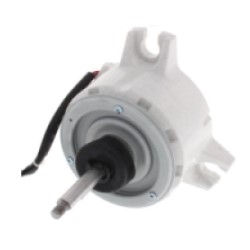
- HVAC Replacement Parts: HVAC replacement parts include general hardware used across furnace, air handler, and blower systems, such as capacitors, relays, and sensors. Technicians turn to this subcategory for common wear items that fail across multiple equipment brands. Having the original system's model number on hand speeds up finding the correct fit.
- LG Mini Split Parts: LG mini split parts support repairs on LG-branded ductless systems, covering components like remote controls, drain pumps, and PC boards. Technicians servicing LG equipment use this subcategory to source parts built specifically for that manufacturer's mini split line. Confirming the indoor or outdoor unit model number ensures the part fits correctly.
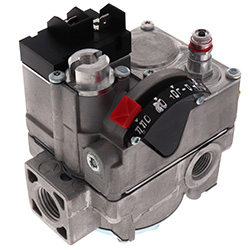
- Water Heater Parts: Water heater parts cover the hardware needed to repair tank and tankless units, including thermocouples, heating elements, and gas valves. Technicians use this subcategory when a water heater needs a specific fix rather than full replacement. Checking the water heater's model and serial number before ordering avoids a mismatched part.
Buying Guide
Choosing the right replacement part starts with correctly identifying the failed component and the exact equipment it serves. A model and serial number pulled from the unit's rating plate is the most reliable way to narrow down compatible parts, since manufacturers frequently update part numbers across production runs even when the equipment model name stays the same.
Once the failed component is identified, technicians should decide whether an original equipment manufacturer part or a compatible aftermarket part better fits the repair. OEM parts typically match fit and function exactly, while aftermarket options can offer faster turnaround on discontinued models, provided the specifications line up with the original part.
Wear items like igniters, capacitors, and control boards benefit from being kept on hand for common equipment brands serviced regularly, since these components fail predictably over a unit's service life. Stocking a small supply of the parts used most often on a technician's typical service calls reduces the number of return trips needed to complete a repair.
Electrical components such as control boards and sensors call for extra care during selection, since voltage, amperage, and wiring configuration must match the original part precisely. A mismatched electrical component can damage the equipment or create a safety hazard, so cross-referencing wiring diagrams against the replacement part's specifications is worth the extra step.
For older or discontinued equipment, finding an exact replacement part can take more research, including checking manufacturer service bulletins for approved substitutions. Working from the original installation documentation, when available, narrows the search and reduces the chance of ordering an incompatible component.
Frequently Asked Questions
How do I find the right replacement part for my equipment?
Start with the model and serial number from the equipment's rating plate, then cross-reference that information against the manufacturer's parts list or a distributor's part lookup tool. The rating plate is usually located on the unit's exterior panel or inside the access door.
What's the difference between OEM and aftermarket replacement parts?
OEM parts are made or approved by the original equipment manufacturer and are built to match exact fit and function. Aftermarket parts are made by third-party manufacturers to similar specifications and can be a practical option for discontinued OEM parts, provided the specs align with the original component.
Which replacement parts fail most often on HVAC and water heater systems?
Igniters, capacitors, control boards, and thermocouples tend to wear out first because they cycle constantly during normal operation. Keeping a small stock of these common wear items on hand cuts down on repeat service calls.
Can I use a universal replacement part instead of a brand-specific one?
Universal parts can work for some general hardware, but electrical components and gas valves usually need to match the original manufacturer's specifications exactly. Checking wiring diagrams and voltage ratings before installing a universal part helps avoid equipment damage.
What information should I have ready before ordering a replacement part?
Have the equipment's full model and serial number, the failed component's part number if visible, and a clear description of the symptom the equipment is showing. Providing this information upfront confirms the correct part on the first order.
Resources
Subcategories
- Boiler Parts: Boiler parts cover the components that keep residential and commercial boilers firing reliably, including igniters, pumps, and control modules. Technicians rely on this subcategory when a boiler needs a targeted repair rather than a full unit swap. Matching parts to the specific boiler make and model prevents fit and wiring mismatches.
- HVAC Replacement Parts: HVAC replacement parts include general hardware used across furnace, air handler, and blower systems, such as capacitors, relays, and sensors. Technicians turn to this subcategory for common wear items that fail across multiple equipment brands. Having the original system's model number on hand speeds up finding the correct fit.
- LG Mini Split Parts: LG mini split parts support repairs on LG-branded ductless systems, covering components like remote controls, drain pumps, and PC boards. Technicians servicing LG equipment use this subcategory to source parts built specifically for that manufacturer's mini split line. Confirming the indoor or outdoor unit model number ensures the part fits correctly.
- Water Heater Parts: Water heater parts cover the hardware needed to repair tank and tankless units, including thermocouples, heating elements, and gas valves. Technicians use this subcategory when a water heater needs a specific fix rather than full replacement. Checking the water heater's model and serial number before ordering avoids a mismatched part.
Buying Guide
Choosing the right replacement part starts with correctly identifying the failed component and the exact equipment it serves. A model and serial number pulled from the unit's rating plate is the most reliable way to narrow down compatible parts, since manufacturers frequently update part numbers across production runs even when the equipment model name stays the same.
Once the failed component is identified, technicians should decide whether an original equipment manufacturer part or a compatible aftermarket part better fits the repair. OEM parts typically match fit and function exactly, while aftermarket options can offer faster turnaround on discontinued models, provided the specifications line up with the original part.
Wear items like igniters, capacitors, and control boards benefit from being kept on hand for common equipment brands serviced regularly, since these components fail predictably over a unit's service life. Stocking a small supply of the parts used most often on a technician's typical service calls reduces the number of return trips needed to complete a repair.
Electrical components such as control boards and sensors call for extra care during selection, since voltage, amperage, and wiring configuration must match the original part precisely. A mismatched electrical component can damage the equipment or create a safety hazard, so cross-referencing wiring diagrams against the replacement part's specifications is worth the extra step.
For older or discontinued equipment, finding an exact replacement part can take more research, including checking manufacturer service bulletins for approved substitutions. Working from the original installation documentation, when available, narrows the search and reduces the chance of ordering an incompatible component.
Frequently Asked Questions
How do I find the right replacement part for my equipment?
Start with the model and serial number from the equipment's rating plate, then cross-reference that information against the manufacturer's parts list or a distributor's part lookup tool. The rating plate is usually located on the unit's exterior panel or inside the access door.
What's the difference between OEM and aftermarket replacement parts?
OEM parts are made or approved by the original equipment manufacturer and are built to match exact fit and function. Aftermarket parts are made by third-party manufacturers to similar specifications and can be a practical option for discontinued OEM parts, provided the specs align with the original component.
Which replacement parts fail most often on HVAC and water heater systems?
Igniters, capacitors, control boards, and thermocouples tend to wear out first because they cycle constantly during normal operation. Keeping a small stock of these common wear items on hand cuts down on repeat service calls.
Can I use a universal replacement part instead of a brand-specific one?
Universal parts can work for some general hardware, but electrical components and gas valves usually need to match the original manufacturer's specifications exactly. Checking wiring diagrams and voltage ratings before installing a universal part helps avoid equipment damage.
What information should I have ready before ordering a replacement part?
Have the equipment's full model and serial number, the failed component's part number if visible, and a clear description of the symptom the equipment is showing. Providing this information upfront confirms the correct part on the first order.