




Filters
SORT
Product Availability –
Review Score –
 --%3E %3Csvg version='1.1' id='Fill' xmlns='http://www.w3.org/2000/svg' xmlns:xlink='http://www.w3.org/1999/xlink' x='0px' y='0px' viewBox='0 0 100 100' enable-background='new 0 0 100 100' xml:space='preserve'%3E %3Cpath fill='%23F15C02' d='M79.44,0.95H20.56C9.78,0.95,0.95,9.78,0.95,20.56v58.87c0,10.79,8.82,19.61,19.61,19.61h58.87 c10.79,0,19.61-8.83,19.61-19.61V20.56C99.05,9.78,90.22,0.95,79.44,0.95z M65.38,58.24l9.38,29.58L49.69,69.78L24.5,87.82 l9.34-29.6L8.8,39.6l30.73-0.17c0,0,6.98-19.61,10-28.93c0.54,1.36,9.88,29.1,9.88,29.1H91.2L65.38,58.24z'/%3E %3C/svg%3E)
 --%3E %3Csvg version='1.1' id='With-RB' xmlns='http://www.w3.org/2000/svg' xmlns:xlink='http://www.w3.org/1999/xlink' x='0px' y='0px' viewBox='0 0 100 100' enable-background='new 0 0 100 100' xml:space='preserve'%3E %3Cpath fill='%23FBC8B4' d='M79.44,0.95H20.56C9.78,0.95,0.95,9.78,0.95,20.56v58.87c0,10.79,8.82,19.61,19.61,19.61h58.87 c10.79,0,19.61-8.83,19.61-19.61V20.56C99.05,9.78,90.22,0.95,79.44,0.95z M65.38,58.24l9.38,29.58L49.69,69.78L24.5,87.82 l9.34-29.6L8.8,39.6l30.73-0.17c0,0,6.98-19.61,10-28.93c0.54,1.36,9.88,29.1,9.88,29.1H91.2L65.38,58.24z'/%3E %3C/svg%3E)
Price Range –
Rheem Blower Wheels

 --%3E %3Csvg version='1.1' id='No-RB' xmlns='http://www.w3.org/2000/svg' xmlns:xlink='http://www.w3.org/1999/xlink' x='0px' y='0px' viewBox='0 0 100 100' enable-background='new 0 0 100 100' xml:space='preserve'%3E %3Cpath fill='%23CECECE' d='M79.44,0.95H20.56C9.78,0.95,0.95,9.78,0.95,20.56v58.87c0,10.79,8.82,19.61,19.61,19.61h58.87 c10.79,0,19.61-8.83,19.61-19.61V20.56C99.05,9.78,90.22,0.95,79.44,0.95z M65.38,58.24l9.38,29.58L49.69,69.78L24.5,87.82 l9.34-29.6L8.8,39.6l30.73-0.17c0,0,6.98-19.61,10-28.93c0.54,1.36,9.88,29.1,9.88,29.1H91.2L65.38,58.24z'/%3E %3C/svg%3E)
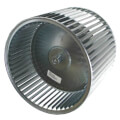

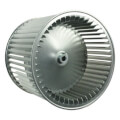

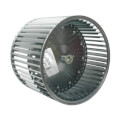
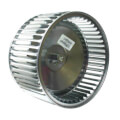
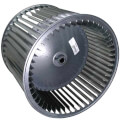
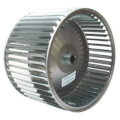
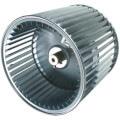
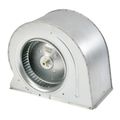
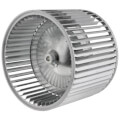
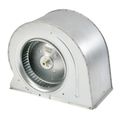
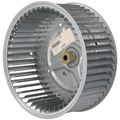
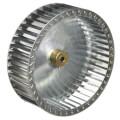
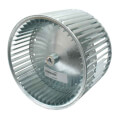
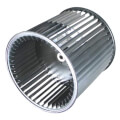
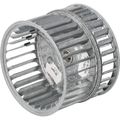
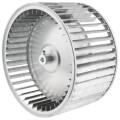

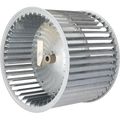
Rheem Blower Wheels are the centrifugal squirrel cage components that pull air across a furnace or air handler's heat exchanger and push it out into the ductwork. Rheem lists its replacement wheels under a CW, forward curved, wheel designation, with sizes such as 11-15/16 by 8-1/16 inches covering common residential furnace models. A wheel that has come loose on its shaft or developed a crack in one of the blades will produce a rattling or grinding noise well before it fails completely, which gives technicians a warning sign before the blower stops moving air altogether. Replacing a worn wheel with the correct diameter and width keeps airflow within the furnace manufacturer's design range, which matters for both heating performance and the life of the blower motor.
Subcategories
- CW Forward Curved Wheels: Forward curved, or CW, wheels are the standard design used across most Rheem furnace and air handler blowers. Rheem markets sizes such as the 11-15/16 by 7-1/8 inch wheel for smaller cabinets and larger diameters for higher airflow units. Technicians match wheel width to the blower housing rather than assuming a universal fit, since a wheel that is too wide can rub inside the housing.
- Blower Wheel Kits: Wheel kits bundle the wheel with a shaft collar or set screws needed for a complete reinstall, which saves a technician from discovering a missing fastener mid job. These kits are useful on older units where the original hardware has corroded or stripped. Ordering a kit instead of a bare wheel is common practice on any job where the blower has been in service for many years.
- Blower Housings with Wheel: A blower housing with the wheel preinstalled is the option technicians choose when the housing itself is damaged, dented, or has a worn bearing surface, not just the wheel. Replacing the full housing assembly gives the correct wheel-to-housing clearance without a separate measurement of the old housing. The housing assembly costs more than a bare wheel but saves labor time on units where the housing is suspect.
- Blower Wheel Shafts: Shafts connect the wheel to the motor and wear at the point where the set screw or key seats against the shaft, particularly on units that have cycled for many years. A shaft with a worn keyway will let the wheel slip on the motor, causing a repeating clicking noise under load. Replacing the shaft along with the wheel is common when both parts show wear from the same root cause.
Buying Guide
Confirming the wheel's exact dimensions before ordering is the first step, since Rheem sizes its wheels by diameter and width rather than by furnace model alone. Measuring the old wheel, or reading the size stamped on it, is more reliable than matching by furnace model number when the unit has been serviced before and may already have a non original part installed.
Diagnosing why the original wheel failed matters just as much as replacing it. A wheel that came loose on its shaft points to a worn keyway or a set screw that backed out over time, while a cracked or bent blade usually points to debris that entered the blower compartment. Replacing Rheem Blower Wheels without addressing the root cause often leads to a repeat failure within a year or two, especially when the cause was a loose shaft rather than simple wear.
Technicians working on units still under a manufacturer warranty should confirm whether a wheel replacement affects that coverage before ordering an aftermarket part. Using a Rheem branded replacement keeps the repair aligned with factory specifications and avoids balance issues that an incorrectly sized wheel can introduce into the blower assembly, which shows up as vibration or noise even after the repair is complete.
Frequently Asked Questions
How do I know what size Rheem blower wheel I need?
Measure the diameter and width of the existing wheel, or read the size stamped directly on it, rather than relying on the furnace model number alone. Units that have been serviced before may already have a non original wheel installed. Matching the physical dimensions is more reliable than matching by model.
What causes a Rheem blower wheel to come loose on its shaft?
A worn keyway or a set screw that has backed out over time are the most common causes. Once the wheel starts to slip, it produces a repeating clicking or rattling noise under load. Replacing the shaft along with the wheel prevents the same failure from happening again shortly after the repair.
Should I replace the whole blower housing or just the wheel?
Replace just the wheel if the housing itself shows no damage or wear. Choose a full housing assembly when the housing is dented, corroded, or has a worn bearing surface, since that gives correct clearance without extra measurement.
Will a non Rheem replacement wheel fit a Rheem furnace?
Some aftermarket wheels are manufactured to the same dimensions, but confirming exact diameter, width, and bore size is necessary before ordering one. A mismatched wheel can create a vibration or balance issue even if it physically fits inside the housing. Sticking with dimensions that match the original part avoids this risk.
Why does my furnace blower sound like it's rattling instead of running smoothly?
A rattling noise usually points to a cracked blade, a wheel that has come loose on its shaft, or debris caught inside the blower compartment. Inspecting the wheel visually for cracks or looseness before ordering a replacement narrows down the cause. Clearing debris alone sometimes resolves the noise without needing any parts replaced.
