



Sewage Pumps & Accessories
Sewage pumps and accessories handle wastewater from a bathroom, laundry room, or other fixture that sits below the main sewer line, pumping it up to the sewer or septic connection. The category covers the pumps themselves along with basin lids, check valves, and other supporting accessories.
Sizing a sewage pump depends on the fixture load it serves and the vertical lift needed to reach the sewer connection point. Accessories like basin lids and check valves complete the installation and keep the system sealed against odors and backflow.

Subcategories
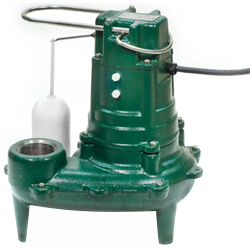
- Sewage Pumps: Sewage pumps serve plumbers and property owners installing a bathroom, laundry room, or wet bar below the level of the main sewer line, where a gravity connection isn't an option. Submersible sewage ejector models are built to handle spherical solids up to 2 inches in diameter and typically discharge through a 2 inch NPT connection, with horsepower ranging from about 4/10 HP up to 2 HP depending on the flow and lift required.
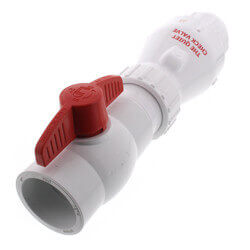
- Sewage Pumps Parts & Accessories: Sewage pump parts and accessories cover the basin lids, check valves, unions, float switches, and alarm systems that keep an existing sewage ejector system running without replacing the whole unit. A failed check valve or float switch is one of the most common reasons a sewage pump either won't shut off or lets wastewater flow back into the basin, so keeping the right accessory on hand shortens a service call considerably.
Buying Guide
Sizing starts with solids handling and discharge capacity rather than horsepower alone. A pump rated for 2 inch spherical solids and a 2 inch discharge line handles typical residential waste, including toilet paper and solid waste, without clogging the impeller, while accessory pumps built for effluent or gray water only handle smaller particles and shouldn't be substituted into a raw sewage application.
Horsepower and total dynamic head need to match the actual lift and pipe run to the point of connection, not just the distance on a tape measure. Every foot of vertical lift, plus friction loss from pipe length, fittings, and check valves, adds to the head the pump has to overcome, so a system with a long horizontal run to the main line needs more head capacity than the straight-line distance suggests.
Basin size and configuration depend on how many fixtures drain into the system and how often the pump is expected to cycle. A single half bathroom can run on a smaller basin than a full basement apartment with a kitchen, shower, and laundry connection, and an undersized basin forces the pump to cycle more often, shortening its service life.
Float switch style affects both reliability and available basin space. Tethered floats need clearance to swing freely inside the basin, while vertical or mechanical float switches take up less room and work better in narrower basins, which matters when retrofitting a sewage system into an existing crawlspace or mechanical room.
Material construction determines how well a pump holds up to raw sewage over time. Cast iron and stainless steel volutes and impellers resist the corrosive and abrasive effects of solid waste better than pumps designed for clear water service, and a high water alarm wired to a separate circuit gives an early warning if the primary pump fails or the basin fills faster than expected.
Frequently Asked Questions
What size solids can a sewage pump handle?
Most residential sewage ejector pumps are built to pass spherical solids up to 2 inches in diameter, which covers typical toilet waste and paper without clogging the impeller. Pumps rated for smaller particle sizes are intended for effluent or gray water applications and shouldn't be installed on a line carrying raw sewage from a toilet.
What's the difference between a sewage pump and a sump pump?
A sewage pump is built with a wider impeller passage and more durable materials to handle solid waste and raw sewage without clogging or corroding prematurely, while a sump pump is designed for clear groundwater and can't pass solids of any meaningful size. Using a sump pump on a sewage application typically leads to a clogged or burned out pump within a short time.
How often should a sewage pump basin and check valve be inspected?
A yearly inspection covers most residential systems, checking the float switch operation, basin for debris buildup, and check valve for a proper seal that stops wastewater from flowing back into the basin between cycles. Properties with heavier use, like a rental unit or multiple bathrooms tied into one system, benefit from checking those components twice a year instead.
Why does a sewage pump need a check valve?
The check valve keeps wastewater in the discharge pipe from flowing back into the basin once the pump shuts off, which would otherwise force the pump to cycle more often and shorten its service life. A worn or stuck check valve is a common cause of a sewage pump running longer or more frequently than normal.
Can a sewage pump be repaired, or does the whole unit need replacement?
Many failures come down to a worn float switch, a clogged impeller, or a failed check valve, all of which can be replaced individually without pulling the entire pump. When the motor itself fails or the volute is cracked or corroded, replacing the complete pump is typically more practical than sourcing individual internal parts.
Resources
Subcategories
- Sewage Pumps: Sewage pumps serve plumbers and property owners installing a bathroom, laundry room, or wet bar below the level of the main sewer line, where a gravity connection isn't an option. Submersible sewage ejector models are built to handle spherical solids up to 2 inches in diameter and typically discharge through a 2 inch NPT connection, with horsepower ranging from about 4/10 HP up to 2 HP depending on the flow and lift required.
- Sewage Pumps Parts & Accessories: Sewage pump parts and accessories cover the basin lids, check valves, unions, float switches, and alarm systems that keep an existing sewage ejector system running without replacing the whole unit. A failed check valve or float switch is one of the most common reasons a sewage pump either won't shut off or lets wastewater flow back into the basin, so keeping the right accessory on hand shortens a service call considerably.
Buying Guide
Sizing starts with solids handling and discharge capacity rather than horsepower alone. A pump rated for 2 inch spherical solids and a 2 inch discharge line handles typical residential waste, including toilet paper and solid waste, without clogging the impeller, while accessory pumps built for effluent or gray water only handle smaller particles and shouldn't be substituted into a raw sewage application.
Horsepower and total dynamic head need to match the actual lift and pipe run to the point of connection, not just the distance on a tape measure. Every foot of vertical lift, plus friction loss from pipe length, fittings, and check valves, adds to the head the pump has to overcome, so a system with a long horizontal run to the main line needs more head capacity than the straight-line distance suggests.
Basin size and configuration depend on how many fixtures drain into the system and how often the pump is expected to cycle. A single half bathroom can run on a smaller basin than a full basement apartment with a kitchen, shower, and laundry connection, and an undersized basin forces the pump to cycle more often, shortening its service life.
Float switch style affects both reliability and available basin space. Tethered floats need clearance to swing freely inside the basin, while vertical or mechanical float switches take up less room and work better in narrower basins, which matters when retrofitting a sewage system into an existing crawlspace or mechanical room.
Material construction determines how well a pump holds up to raw sewage over time. Cast iron and stainless steel volutes and impellers resist the corrosive and abrasive effects of solid waste better than pumps designed for clear water service, and a high water alarm wired to a separate circuit gives an early warning if the primary pump fails or the basin fills faster than expected.
Frequently Asked Questions
What size solids can a sewage pump handle?
Most residential sewage ejector pumps are built to pass spherical solids up to 2 inches in diameter, which covers typical toilet waste and paper without clogging the impeller. Pumps rated for smaller particle sizes are intended for effluent or gray water applications and shouldn't be installed on a line carrying raw sewage from a toilet.
What's the difference between a sewage pump and a sump pump?
A sewage pump is built with a wider impeller passage and more durable materials to handle solid waste and raw sewage without clogging or corroding prematurely, while a sump pump is designed for clear groundwater and can't pass solids of any meaningful size. Using a sump pump on a sewage application typically leads to a clogged or burned out pump within a short time.
How often should a sewage pump basin and check valve be inspected?
A yearly inspection covers most residential systems, checking the float switch operation, basin for debris buildup, and check valve for a proper seal that stops wastewater from flowing back into the basin between cycles. Properties with heavier use, like a rental unit or multiple bathrooms tied into one system, benefit from checking those components twice a year instead.
Why does a sewage pump need a check valve?
The check valve keeps wastewater in the discharge pipe from flowing back into the basin once the pump shuts off, which would otherwise force the pump to cycle more often and shorten its service life. A worn or stuck check valve is a common cause of a sewage pump running longer or more frequently than normal.
Can a sewage pump be repaired, or does the whole unit need replacement?
Many failures come down to a worn float switch, a clogged impeller, or a failed check valve, all of which can be replaced individually without pulling the entire pump. When the motor itself fails or the volute is cracked or corroded, replacing the complete pump is typically more practical than sourcing individual internal parts.