




SharkBite (Push-Fit) Valves
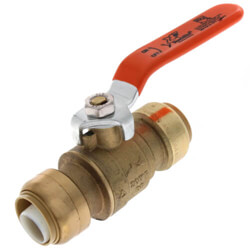
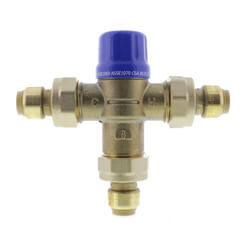
SharkBite push-fit valves connect directly to PEX, copper, and CPVC tubing using a push-to-connect design, giving plumbers a fast, tool-free way to add a valve mid-run. This listing covers pressure reducing valves that bring incoming water pressure down to a safe level for fixtures and appliances.
A pressure reducing valve protects fixtures, appliances, and the piping system itself from damage caused by excessively high incoming water pressure. Installing one with a push-fit connection avoids the need for soldering or additional fittings when retrofitting an existing water line.

Subcategories
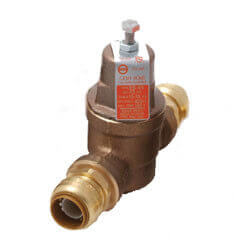
- SharkBite (Push-Fit) Pressure Reducing Valves: Pressure reducing valves in this line bring incoming water pressure down to a safer working range before it reaches fixtures, appliances, and water heaters downstream. Installing with a push-fit connection instead of solder or threaded fittings speeds up the swap on a retrofit where the old valve already failed.
Buying Guide
Choosing a push-fit valve starts with confirming the pipe material and outside diameter, since these valves are built to grip and seal on specific pipe types like copper, PEX, CPVC, or PE-RT.
Cut the pipe end square and remove any burrs or sharp edges before inserting it into the valve, since a rough or angled cut can keep the internal O-ring from sealing fully.
Mark the insertion depth on the pipe before pushing it into the valve so it's easy to confirm the pipe seated fully, rather than relying on feel alone.
For pressure reducing valves specifically, confirm the incoming supply pressure and the valve's adjustable range so the outgoing pressure lands where local code and the downstream fixtures require.
Some push-fit valves can be released and removed with a separate disconnect tool, which is worth checking on a job where the valve might need to be relocated or swapped again later.
Frequently Asked Questions
Do push-fit valves work on both copper and plastic pipe?
Push-fit valves are built to grip specific pipe types and outside diameters, so a valve rated for copper, PEX, CPVC, or PE-RT works on that material, but checking the valve's listed compatibility before installing is the safest approach.
Can a push-fit valve be removed once it's installed?
Many push-fit valves can be disconnected with a release tool or collar, though ease of removal varies by model, so checking that detail matters on a job where future access is likely.
Why does the pipe end need to be cut square?
A square, deburred pipe end lets the internal O-ring seat evenly around the pipe, while an angled or rough cut can create a gap that leads to a slow leak.
What does a pressure reducing valve protect against?
A pressure reducing valve brings high incoming water pressure down to a safer range, protecting fixtures, supply lines, and water heaters from the wear and fatigue that comes with constant high pressure.
Is a torch or solder needed to install a push-fit valve?
Push-fit valves are designed to install without a torch, solder, clamps, or glue, which is part of why they see heavy use on repair and remodel jobs in occupied spaces.
Resources
Subcategories
- SharkBite (Push-Fit) Pressure Reducing Valves: Pressure reducing valves in this line bring incoming water pressure down to a safer working range before it reaches fixtures, appliances, and water heaters downstream. Installing with a push-fit connection instead of solder or threaded fittings speeds up the swap on a retrofit where the old valve already failed.
Buying Guide
Choosing a push-fit valve starts with confirming the pipe material and outside diameter, since these valves are built to grip and seal on specific pipe types like copper, PEX, CPVC, or PE-RT.
Cut the pipe end square and remove any burrs or sharp edges before inserting it into the valve, since a rough or angled cut can keep the internal O-ring from sealing fully.
Mark the insertion depth on the pipe before pushing it into the valve so it's easy to confirm the pipe seated fully, rather than relying on feel alone.
For pressure reducing valves specifically, confirm the incoming supply pressure and the valve's adjustable range so the outgoing pressure lands where local code and the downstream fixtures require.
Some push-fit valves can be released and removed with a separate disconnect tool, which is worth checking on a job where the valve might need to be relocated or swapped again later.
Frequently Asked Questions
Do push-fit valves work on both copper and plastic pipe?
Push-fit valves are built to grip specific pipe types and outside diameters, so a valve rated for copper, PEX, CPVC, or PE-RT works on that material, but checking the valve's listed compatibility before installing is the safest approach.
Can a push-fit valve be removed once it's installed?
Many push-fit valves can be disconnected with a release tool or collar, though ease of removal varies by model, so checking that detail matters on a job where future access is likely.
Why does the pipe end need to be cut square?
A square, deburred pipe end lets the internal O-ring seat evenly around the pipe, while an angled or rough cut can create a gap that leads to a slow leak.
What does a pressure reducing valve protect against?
A pressure reducing valve brings high incoming water pressure down to a safer range, protecting fixtures, supply lines, and water heaters from the wear and fatigue that comes with constant high pressure.
Is a torch or solder needed to install a push-fit valve?
Push-fit valves are designed to install without a torch, solder, clamps, or glue, which is part of why they see heavy use on repair and remodel jobs in occupied spaces.