




Radiant Floor Heating Supplies
Radiant heat systems warm a space by circulating hot water through tubing installed in floors, walls, or ceilings. This transfers heat directly to the room's surfaces and occupants rather than heating the air first. A typical hydronic radiant system pairs PEX tubing with a manifold that distributes water to individual loops. It also includes a heat source such as a boiler or water heater, and controls that regulate water temperature and loop circulation. Because the tubing itself becomes the heat emitter, radiant systems can operate at lower water temperatures than baseboard or radiator systems. This pairs well with high-efficiency boilers and heat pumps.
Installers use radiant heat in new construction and retrofit projects across residential slabs, suspended wood floors, and commercial applications. They choose the installation method based on the floor structure and available height. Slab installations embed tubing directly in a concrete pour. Suspended floor systems run tubing beneath or within a wood subfloor. Panel systems use pre-grooved boards for retrofits where minimal floor height is available. The tubing spacing, manifold sizing, and control strategy should match the floor construction and heat loss calculation. This determines how evenly and efficiently the system heats the space.

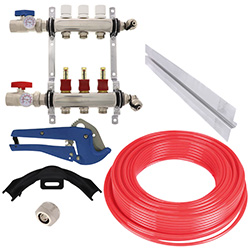


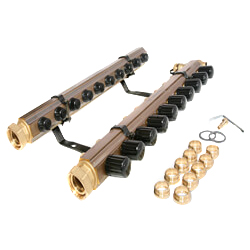


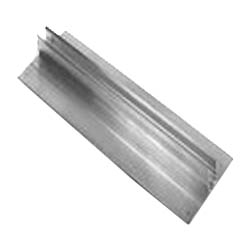
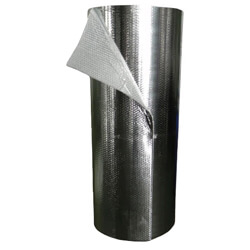


Subcategories
- Electric Radiant Heat: Electric radiant heat systems use resistive heating cables or mats installed beneath flooring instead of circulating hot water. They are a common choice for smaller areas like bathrooms or as a supplement to a home's primary heating system. They install without the boiler, manifold, and tubing loop needed for hydronic radiant heat, which simplifies retrofit installations under tile or stone flooring. Thermostats designed for electric radiant systems typically include a floor sensor to prevent overheating the flooring material.
- Oil Creek HeatFlex PERT Tubing: Oil Creek HeatFlex PERT tubing is a cross-linkable polyethylene product used in hydronic radiant heat loops, offering flexibility for routing through tight spaces during installation. PERT tubing shares oxygen-barrier properties with PEX-based radiant tubing options, which helps protect ferrous system components like boilers and pumps from oxygen-related corrosion. It's sized and installed using the same manifold and loop-length principles as other radiant tubing materials.
- PEX Fittings: PEX fittings connect radiant heat tubing to manifolds, valves, and other system components. Crimp, clamp, expansion, and push-fit styles are available depending on the tubing type and installer preference. Matching the fitting style to the specific PEX tubing (PEX-A, PEX-B, or PEX-AL-PEX) is necessary since crimp rings, expansion tools, and fitting dimensions aren't interchangeable across tubing types. Brass and polymer fitting bodies are both used in radiant applications, with material choice often driven by local code and water chemistry.
- PEX Tools: PEX tools for radiant heat installation include crimping tools, expansion tools, and tubing cutters, with the correct tool type determined by the tubing and fitting system in use. Expansion tools are used with PEX-A tubing and expansion-style fittings, while crimp tools pair with PEX-B or PEX-A tubing using crimp-ring fittings. Manifold installation also typically requires tubing cutters and deburring tools to prepare clean, square tubing ends for a proper seal.
- PEX Tubing: PEX tubing is the flexible plastic pipe that carries hot water through a radiant heat loop, available in PEX-A, PEX-B, and oxygen-barrier variants suited to closed-loop heating applications. Oxygen-barrier PEX is standard for radiant heat systems with ferrous components like cast-iron boilers or steel pumps, since it limits oxygen diffusion that would otherwise accelerate corrosion. Tubing diameter and loop length are calculated together. This keeps pressure drop and flow rate within the manifold and circulator pump's capacity.
- PEX Valves: PEX valves for radiant heat systems include manifold isolation valves, balancing valves, and zone valves that control flow to individual loops or zones. Balancing valves let installers adjust flow rates across multiple loops of different lengths so each loop delivers even heat output. Zone valves paired with a thermostat allow individual rooms or areas to be controlled independently within a single radiant system.
Buying Guide
Planning a radiant heat installation starts with a room-by-room heat loss calculation. The tubing spacing, loop length, and required water temperature all depend on how much heat each space loses to the outdoors. Contractors typically use heat loss software or manual calculations based on insulation levels, window area, and local design temperatures before selecting tubing layout and manifold sizing.
Installation method depends heavily on the floor structure. Slab-on-grade construction allows tubing to be embedded directly in a concrete pour, which offers even heat distribution but requires planning during the framing stage. Suspended wood floors typically use tubing installed in aluminum heat-transfer plates beneath the subfloor. Retrofit projects with limited floor height often rely on thin panel systems designed to sit under finished flooring without raising floor height significantly.
Water temperature and heat source selection go hand in hand with the installation method. Radiant heat systems generally run at lower water temperatures than baseboard or radiator systems, making them compatible with condensing boilers, heat pumps, and other high-efficiency heat sources. A mixing valve or injection pump is often needed to blend return water with supply water. This keeps loop temperatures in the range the tubing and floor covering can handle safely.
Manifold sizing and loop balancing affect how evenly a radiant heat system performs across multiple rooms or zones. Each loop should be sized so its length and flow rate fall within the manifold's rated capacity. Balancing valves at the manifold let installers fine-tune flow to compensate for loops of different lengths.
Controls tie the whole radiant heat system together, from basic single-zone thermostats to multi-zone systems with individual room control. Because radiant systems respond more slowly to temperature changes than forced-air heating, some control strategies use outdoor reset. Outdoor reset adjusts supply water temperature automatically based on outdoor conditions to keep indoor comfort more consistent.
Frequently Asked Questions
Why does radiant heat use lower water temperatures than baseboard heating?
Radiant heat systems distribute heat across a large surface area, such as an entire floor. They don't need the high water temperatures that baseboard or radiator systems use to push heat through a much smaller emitter surface. Lower operating temperatures let radiant systems pair efficiently with condensing boilers and heat pumps, which run more efficiently at lower output temperatures. Typical radiant floor supply temperatures range from about 85 to 120 degrees Fahrenheit depending on floor covering and heat loss.
What's the difference between slab, suspended floor, and panel radiant heat installations?
Slab installations embed tubing directly in a concrete pour, offering strong heat distribution but requiring access during the framing or foundation stage. Suspended floor systems run tubing beneath a wood subfloor, typically using aluminum transfer plates to spread heat evenly into the floor above. Panel systems use pre-grooved boards that hold tubing and sit under finished flooring, making them suited to retrofit projects where raising floor height isn't an option.
Does radiant floor heat work under any type of flooring?
Tile and stone conduct heat well and are common choices over radiant systems. Engineered wood and laminate can also work if rated for radiant heat and installed within the manufacturer's maximum surface temperature limits. Solid hardwood flooring is more sensitive to temperature swings and moisture changes, so it requires careful control of water temperature and installation method to avoid cupping or gapping. Carpet reduces heat transfer efficiency and typically requires higher water temperatures to compensate.
Why is oxygen-barrier PEX tubing recommended for radiant heat loops?
Oxygen-barrier PEX includes a layer that limits oxygen molecules from diffusing into the system water. This reduces corrosion risk for ferrous components like cast-iron boiler sections, steel pumps, and standard steel fittings elsewhere in the system. Non-barrier PEX is sometimes used in systems built entirely with non-ferrous components. Barrier tubing is the more common choice since most radiant systems include at least some ferrous parts. Mixing barrier and non-barrier tubing in the same closed loop isn't recommended.
How is a radiant heat system balanced across multiple loops?
Balancing valves at the manifold let installers adjust flow rate to each loop individually, compensating for differences in loop length and heat output between rooms or zones. Loops with more tubing or higher heat loss generally need more flow, while shorter loops need less to avoid overheating that space. Balancing is typically fine-tuned after startup by checking supply and return temperatures at each loop and adjusting valve settings until the system reaches even heat distribution.
Resources

 --%3E %3C!DOCTYPE svg PUBLIC '-//W3C//DTD SVG 1.1//EN' 'http://www.w3.org/Graphics/SVG/1.1/DTD/svg11.dtd'%3E %3Csvg version='1.1' id='Layer_1' xmlns='http://www.w3.org/2000/svg' xmlns:xlink='http://www.w3.org/1999/xlink' x='0px' y='0px' width='90px' height='90px' viewBox='0 0 90 90' enable-background='new 0 0 90 90' xml:space='preserve'%3E %3Crect x='27' y='23' fill='%23FFFFFF' width='43' height='44'/%3E %3Cg%3E %3Cdefs%3E %3Crect id='SVGID_1_' width='90' height='90'/%3E %3C/defs%3E %3CclipPath id='SVGID_2_'%3E %3Cuse xlink:href='%23SVGID_1_' overflow='visible'/%3E %3C/clipPath%3E %3Cpath clip-path='url(%23SVGID_2_)' fill='%234186AD' d='M45,0C20.1,0,0,20.1,0,45c0,24.9,20.1,45,45,45c24.9,0,45-20.1,45-45 C90,20.1,69.9,0,45,0'/%3E %3C/g%3E %3Cpath fill='%23FFFFFF' d='M60.6,47.4l-22.5,14c-0.5,0.3-1,0.399-1.5,0.399s-0.9-0.1-1.4-0.399c-0.9-0.5-1.4-1.4-1.4-2.5v-28 c0-1,0.6-2,1.4-2.5c0.9-0.5,2-0.5,2.9,0.1l22.5,14.1C61.4,43.1,61.9,44,61.9,45S61.4,46.9,60.6,47.4'/%3E %3C/svg%3E)
Other Resources
Subcategories
- Electric Radiant Heat: Electric radiant heat systems use resistive heating cables or mats installed beneath flooring instead of circulating hot water. They are a common choice for smaller areas like bathrooms or as a supplement to a home's primary heating system. They install without the boiler, manifold, and tubing loop needed for hydronic radiant heat, which simplifies retrofit installations under tile or stone flooring. Thermostats designed for electric radiant systems typically include a floor sensor to prevent overheating the flooring material.
- Oil Creek HeatFlex PERT Tubing: Oil Creek HeatFlex PERT tubing is a cross-linkable polyethylene product used in hydronic radiant heat loops, offering flexibility for routing through tight spaces during installation. PERT tubing shares oxygen-barrier properties with PEX-based radiant tubing options, which helps protect ferrous system components like boilers and pumps from oxygen-related corrosion. It's sized and installed using the same manifold and loop-length principles as other radiant tubing materials.
- PEX Fittings: PEX fittings connect radiant heat tubing to manifolds, valves, and other system components. Crimp, clamp, expansion, and push-fit styles are available depending on the tubing type and installer preference. Matching the fitting style to the specific PEX tubing (PEX-A, PEX-B, or PEX-AL-PEX) is necessary since crimp rings, expansion tools, and fitting dimensions aren't interchangeable across tubing types. Brass and polymer fitting bodies are both used in radiant applications, with material choice often driven by local code and water chemistry.
- PEX Tools: PEX tools for radiant heat installation include crimping tools, expansion tools, and tubing cutters, with the correct tool type determined by the tubing and fitting system in use. Expansion tools are used with PEX-A tubing and expansion-style fittings, while crimp tools pair with PEX-B or PEX-A tubing using crimp-ring fittings. Manifold installation also typically requires tubing cutters and deburring tools to prepare clean, square tubing ends for a proper seal.
- PEX Tubing: PEX tubing is the flexible plastic pipe that carries hot water through a radiant heat loop, available in PEX-A, PEX-B, and oxygen-barrier variants suited to closed-loop heating applications. Oxygen-barrier PEX is standard for radiant heat systems with ferrous components like cast-iron boilers or steel pumps, since it limits oxygen diffusion that would otherwise accelerate corrosion. Tubing diameter and loop length are calculated together. This keeps pressure drop and flow rate within the manifold and circulator pump's capacity.
- PEX Valves: PEX valves for radiant heat systems include manifold isolation valves, balancing valves, and zone valves that control flow to individual loops or zones. Balancing valves let installers adjust flow rates across multiple loops of different lengths so each loop delivers even heat output. Zone valves paired with a thermostat allow individual rooms or areas to be controlled independently within a single radiant system.
Buying Guide
Planning a radiant heat installation starts with a room-by-room heat loss calculation. The tubing spacing, loop length, and required water temperature all depend on how much heat each space loses to the outdoors. Contractors typically use heat loss software or manual calculations based on insulation levels, window area, and local design temperatures before selecting tubing layout and manifold sizing.
Installation method depends heavily on the floor structure. Slab-on-grade construction allows tubing to be embedded directly in a concrete pour, which offers even heat distribution but requires planning during the framing stage. Suspended wood floors typically use tubing installed in aluminum heat-transfer plates beneath the subfloor. Retrofit projects with limited floor height often rely on thin panel systems designed to sit under finished flooring without raising floor height significantly.
Water temperature and heat source selection go hand in hand with the installation method. Radiant heat systems generally run at lower water temperatures than baseboard or radiator systems, making them compatible with condensing boilers, heat pumps, and other high-efficiency heat sources. A mixing valve or injection pump is often needed to blend return water with supply water. This keeps loop temperatures in the range the tubing and floor covering can handle safely.
Manifold sizing and loop balancing affect how evenly a radiant heat system performs across multiple rooms or zones. Each loop should be sized so its length and flow rate fall within the manifold's rated capacity. Balancing valves at the manifold let installers fine-tune flow to compensate for loops of different lengths.
Controls tie the whole radiant heat system together, from basic single-zone thermostats to multi-zone systems with individual room control. Because radiant systems respond more slowly to temperature changes than forced-air heating, some control strategies use outdoor reset. Outdoor reset adjusts supply water temperature automatically based on outdoor conditions to keep indoor comfort more consistent.
Frequently Asked Questions
Why does radiant heat use lower water temperatures than baseboard heating?
Radiant heat systems distribute heat across a large surface area, such as an entire floor. They don't need the high water temperatures that baseboard or radiator systems use to push heat through a much smaller emitter surface. Lower operating temperatures let radiant systems pair efficiently with condensing boilers and heat pumps, which run more efficiently at lower output temperatures. Typical radiant floor supply temperatures range from about 85 to 120 degrees Fahrenheit depending on floor covering and heat loss.
What's the difference between slab, suspended floor, and panel radiant heat installations?
Slab installations embed tubing directly in a concrete pour, offering strong heat distribution but requiring access during the framing or foundation stage. Suspended floor systems run tubing beneath a wood subfloor, typically using aluminum transfer plates to spread heat evenly into the floor above. Panel systems use pre-grooved boards that hold tubing and sit under finished flooring, making them suited to retrofit projects where raising floor height isn't an option.
Does radiant floor heat work under any type of flooring?
Tile and stone conduct heat well and are common choices over radiant systems. Engineered wood and laminate can also work if rated for radiant heat and installed within the manufacturer's maximum surface temperature limits. Solid hardwood flooring is more sensitive to temperature swings and moisture changes, so it requires careful control of water temperature and installation method to avoid cupping or gapping. Carpet reduces heat transfer efficiency and typically requires higher water temperatures to compensate.
Why is oxygen-barrier PEX tubing recommended for radiant heat loops?
Oxygen-barrier PEX includes a layer that limits oxygen molecules from diffusing into the system water. This reduces corrosion risk for ferrous components like cast-iron boiler sections, steel pumps, and standard steel fittings elsewhere in the system. Non-barrier PEX is sometimes used in systems built entirely with non-ferrous components. Barrier tubing is the more common choice since most radiant systems include at least some ferrous parts. Mixing barrier and non-barrier tubing in the same closed loop isn't recommended.
How is a radiant heat system balanced across multiple loops?
Balancing valves at the manifold let installers adjust flow rate to each loop individually, compensating for differences in loop length and heat output between rooms or zones. Loops with more tubing or higher heat loss generally need more flow, while shorter loops need less to avoid overheating that space. Balancing is typically fine-tuned after startup by checking supply and return temperatures at each loop and adjusting valve settings until the system reaches even heat distribution.