




Filters
SORT
Product Availability –
Brand –
Finish –
Review Score –
 --%3E %3Csvg version='1.1' id='Fill' xmlns='http://www.w3.org/2000/svg' xmlns:xlink='http://www.w3.org/1999/xlink' x='0px' y='0px' viewBox='0 0 100 100' enable-background='new 0 0 100 100' xml:space='preserve'%3E %3Cpath fill='%23F15C02' d='M79.44,0.95H20.56C9.78,0.95,0.95,9.78,0.95,20.56v58.87c0,10.79,8.82,19.61,19.61,19.61h58.87 c10.79,0,19.61-8.83,19.61-19.61V20.56C99.05,9.78,90.22,0.95,79.44,0.95z M65.38,58.24l9.38,29.58L49.69,69.78L24.5,87.82 l9.34-29.6L8.8,39.6l30.73-0.17c0,0,6.98-19.61,10-28.93c0.54,1.36,9.88,29.1,9.88,29.1H91.2L65.38,58.24z'/%3E %3C/svg%3E)
 --%3E %3Csvg version='1.1' id='With-RB' xmlns='http://www.w3.org/2000/svg' xmlns:xlink='http://www.w3.org/1999/xlink' x='0px' y='0px' viewBox='0 0 100 100' enable-background='new 0 0 100 100' xml:space='preserve'%3E %3Cpath fill='%23FBC8B4' d='M79.44,0.95H20.56C9.78,0.95,0.95,9.78,0.95,20.56v58.87c0,10.79,8.82,19.61,19.61,19.61h58.87 c10.79,0,19.61-8.83,19.61-19.61V20.56C99.05,9.78,90.22,0.95,79.44,0.95z M65.38,58.24l9.38,29.58L49.69,69.78L24.5,87.82 l9.34-29.6L8.8,39.6l30.73-0.17c0,0,6.98-19.61,10-28.93c0.54,1.36,9.88,29.1,9.88,29.1H91.2L65.38,58.24z'/%3E %3C/svg%3E)
Price Range –
Shower Hoses

 --%3E %3Csvg version='1.1' id='No-RB' xmlns='http://www.w3.org/2000/svg' xmlns:xlink='http://www.w3.org/1999/xlink' x='0px' y='0px' viewBox='0 0 100 100' enable-background='new 0 0 100 100' xml:space='preserve'%3E %3Cpath fill='%23CECECE' d='M79.44,0.95H20.56C9.78,0.95,0.95,9.78,0.95,20.56v58.87c0,10.79,8.82,19.61,19.61,19.61h58.87 c10.79,0,19.61-8.83,19.61-19.61V20.56C99.05,9.78,90.22,0.95,79.44,0.95z M65.38,58.24l9.38,29.58L49.69,69.78L24.5,87.82 l9.34-29.6L8.8,39.6l30.73-0.17c0,0,6.98-19.61,10-28.93c0.54,1.36,9.88,29.1,9.88,29.1H91.2L65.38,58.24z'/%3E %3C/svg%3E)
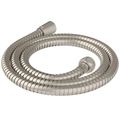
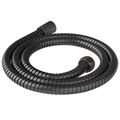
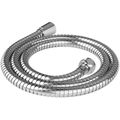

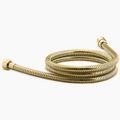
Shower Hoses are flexible connectors that link a handheld shower head to its water supply valve, giving the spray freedom to move around the tub or shower rather than staying fixed in one position. Standard replacement hoses run 59 inches long, though 79 inch versions are available for taller installations or larger tubs where extra reach helps. Metal hoses, typically stainless steel, hold up to daily flexing better than older coiled plastic designs and resist kinking during use. Manufacturers note that a shower hose is meant to connect a handheld unit to its supply valve and isn't designed to work as an extension hose for reaching a distant fixture. Finish options such as polished chrome, brushed nickel, oil-rubbed bronze, and matte black let installers match a hose to existing bathroom hardware. Picking the right length and finish keeps a replacement job looking finished rather than mismatched against the rest of the fixture set.
Subcategories
- Standard-Length Shower Hoses: Standard-Length Shower Hoses run 59 inches from the supply valve to the handheld shower head. Most residential bathrooms use this length as the default replacement size. Plumbers reach for this length on typical tub and shower combinations without oversized fixtures. Metal construction on these hoses resists the kinking that plagues older plastic-coil designs.
- Extended-Length Shower Hoses: Extended-Length Shower Hoses measure 79 inches, giving extra reach for larger tubs, walk-in showers, or taller installations. Installers pick this length when a standard hose leaves the spray falling short of where it's needed. Extra length adds flexibility for washing pets or rinsing a large shower enclosure. Manufacturers still rate these hoses for handheld shower connections only, not as a general-purpose extension hose.
- Metal Shower Hoses: Metal Shower Hoses are built from stainless steel rather than coiled plastic, giving them better resistance to kinking and wear over years of daily use. Plumbers favor metal construction on higher-traffic bathrooms where a plastic hose would degrade faster. Finish options include polished chrome, brushed nickel, oil-rubbed bronze, and matte black. Matching the hose finish to the shower head and valve trim keeps the fixture set looking uniform.
- Replacement Shower Hoses: Replacement Shower Hoses are sized and finished to swap directly onto an existing handheld shower system without changing the shower head or valve. Plumbers use this category when a customer's original hose has cracked, kinked, or lost its finish. Confirming the original hose length, typically 59 or 79 inches, keeps the replacement fitting correctly. Matching thread connections avoids leaks at the shower head or valve fitting.
Buying Guide
Start with length. Standard replacement Shower Hoses run 59 inches, which covers most tub and shower setups without extra slack. Larger tubs, walk-in showers, or taller installations often call for a 79 inch version so the spray reaches every corner of the enclosure without stretching the hose taut.
Material comes next. Stainless steel hoses resist kinking and hold up to years of daily flexing better than older coiled plastic designs, making them the safer pick for a bathroom that sees heavy use. Plastic-coil hoses still work for lighter-use guest bathrooms where budget matters more than longevity.
Match the finish to existing bathroom hardware. Polished chrome, brushed nickel, oil-rubbed bronze, and matte black are common options, and a mismatched finish stands out immediately next to the shower head, valve trim, and faucet. Pulling the finish name from the existing fixtures before ordering avoids a return trip.
Finally, confirm the connection threads on both ends fit the existing shower head and supply valve, since a mismatched thread size causes leaks no matter how good the hose itself is. Remember that a shower hose is built to connect a handheld unit to its valve, not to serve as a general extension hose reaching a separate fixture.
Frequently Asked Questions
What's the standard length for a shower hose?
Most Shower Hoses run 59 inches, which fits typical tub and shower combinations. Larger tubs or walk-in showers sometimes need a 79 inch version for extra reach. Checking the old hose length before ordering keeps the replacement sized correctly.
Can a shower hose double as an extension for a separate fixture?
Shower Hoses are built to connect a handheld shower head to its own supply valve, not to extend water to a distant or separate fixture. Using one as a general extension hose can strain the fittings and shorten its life. Sticking to the intended use keeps the connection reliable.
What's the difference between metal and plastic-coil shower hoses?
Metal Shower Hoses, usually stainless steel, resist kinking and hold up to daily flexing better than older plastic-coil designs. Plastic-coil versions cost less but tend to wear out faster in heavy-use bathrooms. Picking metal construction makes sense anywhere durability matters more than upfront cost.
How do I match a shower hose finish to existing fixtures?
Shower Hoses come in finishes such as polished chrome, brushed nickel, oil-rubbed bronze, and matte black to match common valve trims and shower heads. Pulling the finish name off the existing shower head or valve before ordering avoids a mismatch. A close finish match keeps the fixture set looking uniform.
Will a shower hose leak if the threads don't match the valve?
A mismatched thread size between the shower hose and the existing shower head or supply valve is a common cause of leaks at the connection. Confirming thread size before installation avoids a return trip for a different hose. Matching threads matters as much as matching length or finish.
