




Sinks
Sinks in this category cover basin fixtures along with the faucet repair parts and accessories that keep them running, spanning brand-specific parts for Delta and Moen fixtures, general repair components from Brasscraft, and floor sinks used in commercial kitchen drainage. Contractors pull from this category for both new sink installations and the repair parts needed to service an existing fixture.
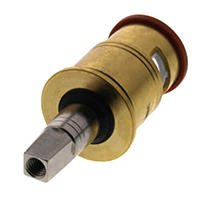
Repair parts make up a large share of this category, since replacing a worn cartridge or valve stem is often faster and less costly than a full fixture replacement. Matching the exact brand and model of an existing faucet to the correct repair part keeps a service call straightforward rather than turning into a full re-plumb.



Subcategories
- Brasscraft Faucet Parts: Brasscraft faucet parts cover the washers, stems, cartridges, and small components used to repair and maintain faucets across a range of makes and models. Contractors keep an assortment of Brasscraft parts on hand for service calls where a full faucet replacement isn't necessary. Matching the part number to the specific faucet model keeps a repair straightforward.
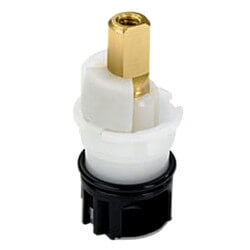
- Delta Parts: Delta parts cover the cartridges, handles, and repair components specific to Delta faucet and fixture lines. Contractors use this subcategory when servicing existing Delta fixtures rather than replacing them outright. Confirming the exact Delta model before ordering parts keeps the replacement cartridge or handle compatible.
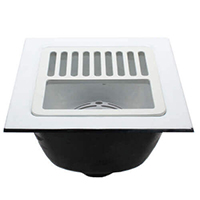
- Floor Sinks: Floor sinks are recessed drain fixtures installed at floor level to receive indirect waste from equipment like dishwashers, ice machines, and mop sinks in commercial kitchens. Contractors specify floor sinks based on the drainage capacity needed and the grate style required for the space. Proper floor slope toward the sink keeps water from pooling around the fixture.
- Moen Parts: Moen parts cover cartridges, handles, and repair components specific to Moen faucet and fixture lines. Contractors reach for this subcategory when servicing an existing Moen fixture rather than replacing the whole unit. Identifying the correct Moen cartridge type is necessary since the company has used several different cartridge designs across its product history.
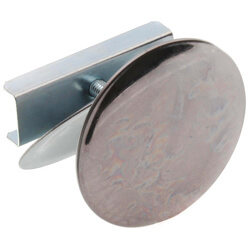
- Sink Hole Covers: Sink hole covers plug an unused faucet or accessory hole in a sink deck, giving a finished look when a sink has more pre-drilled holes than fixtures installed. Contractors use them on sink replacements where the new fixture's hole configuration doesn't match the old one exactly. Matching the cover's finish to the surrounding faucet keeps the installation looking consistent.
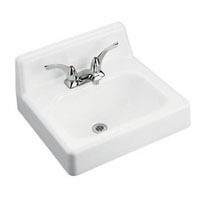
- Sinks: The general sinks subcategory covers basin sinks for kitchen, bathroom, and utility applications across a range of materials and mounting styles. Contractors select from stainless steel, cast iron, and composite options depending on the application and durability needed. Mounting style, whether drop-in, undermount, or wall-hung, needs to match the counter or wall configuration already in place.
Buying Guide
Repair versus replacement is often the first decision on a sink service call. A worn cartridge, stem, or seal usually costs less in parts and labor than swapping the entire faucet, provided the correct replacement part matches the existing fixture's brand and model.
Brand-specific parts, like those for Delta and Moen fixtures, require identifying the exact model or cartridge type before ordering, since manufacturers have changed designs across product generations. Checking a faucet's model number or cartridge style against the manufacturer's part reference avoids ordering an incompatible component.
Floor sinks for commercial kitchens need sizing based on the drainage load from the equipment feeding into them, along with a grate style suited to the kitchen's cleaning and sanitation requirements. Confirming local code requirements for indirect waste connections matters specifically on commercial installations.
Sink hole covers solve a common mismatch problem when a replacement sink has fewer pre-drilled holes than the deck it's replacing. Matching the cover's finish to the new faucet keeps the installation looking intentional rather than like a patch.
Material and mounting style, whether stainless steel, cast iron, or composite, and drop-in, undermount, or wall-hung, need to match both the counter or wall configuration and the durability demands of the space. A utility sink in a mechanical room has different requirements than a finished kitchen or bathroom installation.
Frequently Asked Questions
How do I identify which Delta or Moen cartridge a faucet needs?
Checking the faucet's model number, usually stamped on the body or documented in the original installation paperwork, is the most reliable way to identify the correct cartridge. When a model number isn't available, comparing the cartridge's physical shape and stem pattern against the manufacturer's reference guide narrows down the correct part.
What's the benefit of repairing a faucet instead of replacing it?
Repairing a faucet with a new cartridge or seal usually costs less in both parts and labor than a full replacement, and it avoids re-plumbing supply lines or cutting a new hole pattern in the sink deck. Replacement becomes the better option mainly when the faucet body itself is damaged or when a fixture upgrade is the goal.
What determines the right floor sink size for a commercial kitchen?
Floor sink sizing depends on the drainage volume expected from the equipment feeding into it, such as a dishwasher or ice machine, along with any local code minimums for indirect waste receptors. Consulting the equipment manufacturer's drainage specifications alongside local plumbing code determines the correct size.
Why would a sink need a hole cover?
A hole cover fills an unused pre-drilled hole in a sink deck, which comes up when a replacement sink or faucet has a different hole configuration than the fixture it replaces. Matching the cover's finish to the new faucet keeps the installation looking finished rather than patched.
What's the difference between drop-in and undermount sink installation?
A drop-in sink rests its rim on top of the counter, sealed at the edge where it meets the surface, while an undermount sink attaches beneath the counter for a flush look with no visible rim. Counter material and edge finishing need to support whichever mounting style is chosen, since not every countertop material accommodates undermount installation well.
Resources
Subcategories
- Brasscraft Faucet Parts: Brasscraft faucet parts cover the washers, stems, cartridges, and small components used to repair and maintain faucets across a range of makes and models. Contractors keep an assortment of Brasscraft parts on hand for service calls where a full faucet replacement isn't necessary. Matching the part number to the specific faucet model keeps a repair straightforward.
- Delta Parts: Delta parts cover the cartridges, handles, and repair components specific to Delta faucet and fixture lines. Contractors use this subcategory when servicing existing Delta fixtures rather than replacing them outright. Confirming the exact Delta model before ordering parts keeps the replacement cartridge or handle compatible.
- Floor Sinks: Floor sinks are recessed drain fixtures installed at floor level to receive indirect waste from equipment like dishwashers, ice machines, and mop sinks in commercial kitchens. Contractors specify floor sinks based on the drainage capacity needed and the grate style required for the space. Proper floor slope toward the sink keeps water from pooling around the fixture.
- Moen Parts: Moen parts cover cartridges, handles, and repair components specific to Moen faucet and fixture lines. Contractors reach for this subcategory when servicing an existing Moen fixture rather than replacing the whole unit. Identifying the correct Moen cartridge type is necessary since the company has used several different cartridge designs across its product history.
- Sink Hole Covers: Sink hole covers plug an unused faucet or accessory hole in a sink deck, giving a finished look when a sink has more pre-drilled holes than fixtures installed. Contractors use them on sink replacements where the new fixture's hole configuration doesn't match the old one exactly. Matching the cover's finish to the surrounding faucet keeps the installation looking consistent.
- Sinks: The general sinks subcategory covers basin sinks for kitchen, bathroom, and utility applications across a range of materials and mounting styles. Contractors select from stainless steel, cast iron, and composite options depending on the application and durability needed. Mounting style, whether drop-in, undermount, or wall-hung, needs to match the counter or wall configuration already in place.
Buying Guide
Repair versus replacement is often the first decision on a sink service call. A worn cartridge, stem, or seal usually costs less in parts and labor than swapping the entire faucet, provided the correct replacement part matches the existing fixture's brand and model.
Brand-specific parts, like those for Delta and Moen fixtures, require identifying the exact model or cartridge type before ordering, since manufacturers have changed designs across product generations. Checking a faucet's model number or cartridge style against the manufacturer's part reference avoids ordering an incompatible component.
Floor sinks for commercial kitchens need sizing based on the drainage load from the equipment feeding into them, along with a grate style suited to the kitchen's cleaning and sanitation requirements. Confirming local code requirements for indirect waste connections matters specifically on commercial installations.
Sink hole covers solve a common mismatch problem when a replacement sink has fewer pre-drilled holes than the deck it's replacing. Matching the cover's finish to the new faucet keeps the installation looking intentional rather than like a patch.
Material and mounting style, whether stainless steel, cast iron, or composite, and drop-in, undermount, or wall-hung, need to match both the counter or wall configuration and the durability demands of the space. A utility sink in a mechanical room has different requirements than a finished kitchen or bathroom installation.
Frequently Asked Questions
How do I identify which Delta or Moen cartridge a faucet needs?
Checking the faucet's model number, usually stamped on the body or documented in the original installation paperwork, is the most reliable way to identify the correct cartridge. When a model number isn't available, comparing the cartridge's physical shape and stem pattern against the manufacturer's reference guide narrows down the correct part.
What's the benefit of repairing a faucet instead of replacing it?
Repairing a faucet with a new cartridge or seal usually costs less in both parts and labor than a full replacement, and it avoids re-plumbing supply lines or cutting a new hole pattern in the sink deck. Replacement becomes the better option mainly when the faucet body itself is damaged or when a fixture upgrade is the goal.
What determines the right floor sink size for a commercial kitchen?
Floor sink sizing depends on the drainage volume expected from the equipment feeding into it, such as a dishwasher or ice machine, along with any local code minimums for indirect waste receptors. Consulting the equipment manufacturer's drainage specifications alongside local plumbing code determines the correct size.
Why would a sink need a hole cover?
A hole cover fills an unused pre-drilled hole in a sink deck, which comes up when a replacement sink or faucet has a different hole configuration than the fixture it replaces. Matching the cover's finish to the new faucet keeps the installation looking finished rather than patched.
What's the difference between drop-in and undermount sink installation?
A drop-in sink rests its rim on top of the counter, sealed at the edge where it meets the surface, while an undermount sink attaches beneath the counter for a flush look with no visible rim. Counter material and edge finishing need to support whichever mounting style is chosen, since not every countertop material accommodates undermount installation well.