




Filters
SORT
Product Availability –
Brand –
Connection Size –
Material –
Outlet Type –
Review Score –
 --%3E %3Csvg version='1.1' id='Fill' xmlns='http://www.w3.org/2000/svg' xmlns:xlink='http://www.w3.org/1999/xlink' x='0px' y='0px' viewBox='0 0 100 100' enable-background='new 0 0 100 100' xml:space='preserve'%3E %3Cpath fill='%23F15C02' d='M79.44,0.95H20.56C9.78,0.95,0.95,9.78,0.95,20.56v58.87c0,10.79,8.82,19.61,19.61,19.61h58.87 c10.79,0,19.61-8.83,19.61-19.61V20.56C99.05,9.78,90.22,0.95,79.44,0.95z M65.38,58.24l9.38,29.58L49.69,69.78L24.5,87.82 l9.34-29.6L8.8,39.6l30.73-0.17c0,0,6.98-19.61,10-28.93c0.54,1.36,9.88,29.1,9.88,29.1H91.2L65.38,58.24z'/%3E %3C/svg%3E)
 --%3E %3Csvg version='1.1' id='With-RB' xmlns='http://www.w3.org/2000/svg' xmlns:xlink='http://www.w3.org/1999/xlink' x='0px' y='0px' viewBox='0 0 100 100' enable-background='new 0 0 100 100' xml:space='preserve'%3E %3Cpath fill='%23FBC8B4' d='M79.44,0.95H20.56C9.78,0.95,0.95,9.78,0.95,20.56v58.87c0,10.79,8.82,19.61,19.61,19.61h58.87 c10.79,0,19.61-8.83,19.61-19.61V20.56C99.05,9.78,90.22,0.95,79.44,0.95z M65.38,58.24l9.38,29.58L49.69,69.78L24.5,87.82 l9.34-29.6L8.8,39.6l30.73-0.17c0,0,6.98-19.61,10-28.93c0.54,1.36,9.88,29.1,9.88,29.1H91.2L65.38,58.24z'/%3E %3C/svg%3E)
Price Range –
Floor Sinks



 --%3E %3Csvg version='1.1' id='No-RB' xmlns='http://www.w3.org/2000/svg' xmlns:xlink='http://www.w3.org/1999/xlink' x='0px' y='0px' viewBox='0 0 100 100' enable-background='new 0 0 100 100' xml:space='preserve'%3E %3Cpath fill='%23CECECE' d='M79.44,0.95H20.56C9.78,0.95,0.95,9.78,0.95,20.56v58.87c0,10.79,8.82,19.61,19.61,19.61h58.87 c10.79,0,19.61-8.83,19.61-19.61V20.56C99.05,9.78,90.22,0.95,79.44,0.95z M65.38,58.24l9.38,29.58L49.69,69.78L24.5,87.82 l9.34-29.6L8.8,39.6l30.73-0.17c0,0,6.98-19.61,10-28.93c0.54,1.36,9.88,29.1,9.88,29.1H91.2L65.38,58.24z'/%3E %3C/svg%3E)
 --%3E %3Csvg version='1.1' id='Half' xmlns='http://www.w3.org/2000/svg' xmlns:xlink='http://www.w3.org/1999/xlink' x='0px' y='0px' viewBox='0 0 100 100' enable-background='new 0 0 100 100' xml:space='preserve'%3E %3Cg%3E %3Cpath fill='%23F15C02' d='M30.05,70.23l3.79-12.01L8.8,39.6l30.73-0.17c0,0,6.98-19.61,10-28.93c0.54,1.36,9.88,29.1,9.88,29.1h1.58 L93.71,7.18c-3.58-3.82-8.66-6.23-14.28-6.23H20.56C9.78,0.95,0.95,9.78,0.95,20.56v58.87c0,5.41,2.22,10.32,5.79,13.88 L30.05,70.23z'/%3E %3C/g%3E %3Cpath fill='%23FBC8B4' d='M93.71,7.18L60.98,39.6H91.2L65.38,58.24l9.38,29.58L49.69,69.78L24.5,87.82l5.55-17.59L6.75,93.32 c3.55,3.54,8.44,5.73,13.82,5.73h58.87c10.79,0,19.61-8.83,19.61-19.61V20.56C99.05,15.4,97.01,10.69,93.71,7.18z'/%3E %3C/svg%3E)
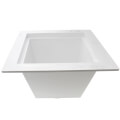
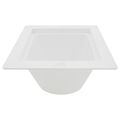
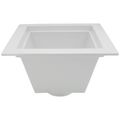
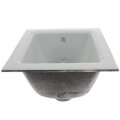
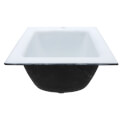
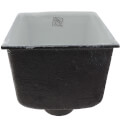

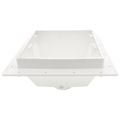
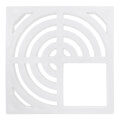
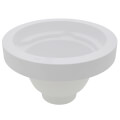
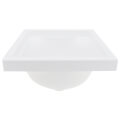
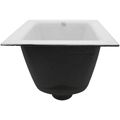
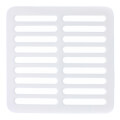
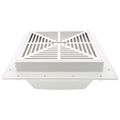
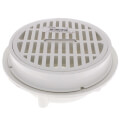
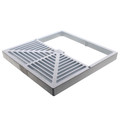
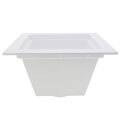
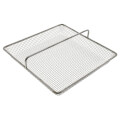
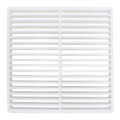
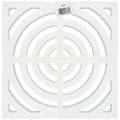
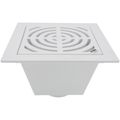
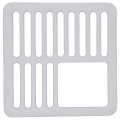
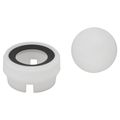
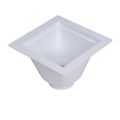
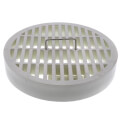

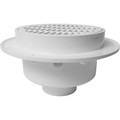
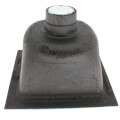
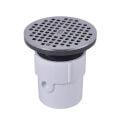
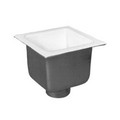
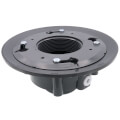

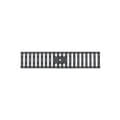
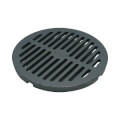

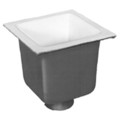

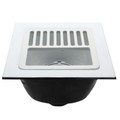
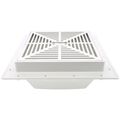
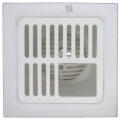
Floor sinks are shallow drainage fixtures installed at floor level to collect wastewater from indirect waste lines, commonly found in commercial kitchens, mechanical rooms, and other spaces where equipment drains need an air gap before entering the sanitary system. A floor sink sits below the finished floor with a grate or strainer top that catches debris while still handling steady flow from equipment like ice machines, dishwashers, and floor drains.
Body material and grate style both affect how well a floor sink holds up to the specific environment it serves, since a commercial kitchen sees different debris and cleaning chemicals than a mechanical room. Selecting a floor sink sized and rated for the expected flow and debris load keeps drainage moving and reduces how often the fixture needs manual cleaning.
Subcategories
- Cast Iron Floor Sinks: Cast iron floor sinks hold up well to the foot traffic and equipment weight found in a busy commercial kitchen. Facility managers choose this body style where the fixture sits in a heavy traffic path near cooking or dishwashing stations.
- Fiberglass and Polymer Floor Sinks: Fiberglass and polymer floor sinks resist the corrosion that repeated exposure to hot grease and cleaning chemicals can cause over time. Crews installing fixtures in areas with aggressive cleaning routines often choose this lighter weight, corrosion resistant option.
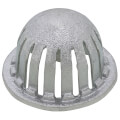
- Floor Sink Strainers and Grates: Strainers and grates sit on top of the floor sink body to catch debris before it reaches the drain line, and styles range from perforated grates to full grates paired with a sediment bucket. Replacing a worn or damaged top restores proper flow without disturbing the fixture body itself.
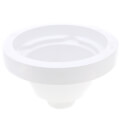
- Floor Sink Sediment Buckets: Sediment buckets fit inside the floor sink body to trap solids for easy cleanout without disassembling the fixture. Kitchen staff pull the bucket, empty it, and reset it as part of a routine cleaning schedule.
Buying Guide
Choosing a floor sink starts with matching the body material to the environment where it will be installed. Cast iron floor sinks hold up well to the foot traffic and equipment weight found in a busy commercial kitchen, while fiberglass or polymer bodies resist the corrosion that repeated exposure to cleaning chemicals and hot grease can cause over time.
Grate and strainer style matter as much as the body material. A perforated grate suited to general wastewater may not hold up in a kitchen area that generates heavier solid waste, where a full grate with a sediment bucket underneath makes cleanout faster and keeps solids from reaching the drain line.
Sizing the floor sink to the expected flow volume prevents standing water around the fixture, which becomes a slip hazard and a sanitation concern in a food service environment. Equipment like ice machines and dishwashers that discharge through an indirect waste line need a floor sink sized for their rated flow rather than a generic undersized fixture.
Floor Sinks installed with a properly sized sediment bucket reduce how often staff need to disassemble the fixture for cleaning, since solids collect in a removable bucket rather than settling in the drain body itself. Reviewing the installation environment, expected flow, and cleaning routine together points toward a floor sink that will need less maintenance over its service life.
Frequently Asked Questions
What is a floor sink used for?
A floor sink collects wastewater from an indirect waste line, commonly from kitchen equipment like ice machines and dishwashers, and provides the air gap many plumbing codes require between that equipment and the sanitary drain system.
What is the difference between a floor sink and a floor drain?
A floor drain typically handles water draining directly off the floor surface, while a floor sink receives an indirect waste line from equipment and sits slightly recessed to catch that discharge along with any floor runoff around it.
How often should a floor sink be cleaned?
Cleaning frequency depends on how much solid waste passes through the fixture, but a kitchen floor sink with a sediment bucket typically needs the bucket emptied on a regular cleaning schedule to prevent buildup and odor.
What material holds up best in a commercial kitchen floor sink?
Cast iron floor sinks are common in commercial kitchens because they tolerate foot traffic and equipment weight well, while fiberglass or polymer options resist the corrosion caused by repeated exposure to grease and cleaning chemicals.
Do floor sinks need a specific grate style for code compliance?
Grate and strainer requirements vary by local plumbing code and the type of waste the floor sink receives, so checking local code requirements before installation helps confirm the correct grate style for a given application.
